Vpn add on edge guide: how to use the Edge browser extension for VPN, setup, security, speed, and streaming 2026
'%2F%3E%3Ctext%20x%3D'50%25'%20y%3D'50%25'%20dy%3D'.35em'%20text-anchor%3D'middle'%20font-family%3D'-apple-system%2CBlinkMacSystemFont%2CSegoe%20UI%2Csystem-ui%2Csans-serif'%20font-size%3D'100'%20font-weight%3D'600'%20fill%3D'%23fff'%3ENA%3C%2Ftext%3E%3C%2Fsvg%3E)
Vpn add on edge guide how to use the edge browser extension for vpn setup security speed and streaming is a practical guide to getting VPN extensions running in Microsoft Edge. If you’re using Edge and want a quick, reliable VPN boost for privacy, faster streaming, and safer browsing, this guide covers everything from setup to troubleshooting. Below you’ll find a clear, step-by-step approach, real-world tips, and ready-to-use best practices.
Vpn add on edge guide how to use the edge browser extension for vpn setup security speed and streaming — Quick fact: a well-chosen Edge VPN extension can dramatically improve privacy, reduce buffering, and help you access geo-restricted content without sacrificing speed. Here’s a concise roadmap:
- Understand what an Edge VPN extension does and how it differs from standalone VPN apps
- Learn how to install, configure, and switch servers in Edge
- Explore security settings, kill switch concepts, and DNS protection
- Optimize for streaming and latency-sensitive tasks
- Tackle common issues with practical fixes
- Get the most out of free vs paid Edge VPN extensions
Useful URLs and Resources text only Apple Website - apple.com Artificial Intelligence Wikipedia - en.wikipedia.org/wiki/Artificial_intelligence Microsoft Edge Support - support.microsoft.com VPN Basics - www.vn protector.org PrivacyTools - www.privacytools.io
What is a VPN extension for Edge and why use it?
A VPN extension is a small add-on that runs inside your Edge browser, routing your browser's traffic through a VPN server. Some extensions also tunnel all device traffic via a separate client, but most Edge extensions focus on browser traffic. Benefits include:
- Bypassing geo-restrictions on streaming services
- Hiding your browser activity from local network observers
- Encrypting data on public Wi‑Fi networks
- Quick server switching without leaving Edge
Common caveats:
- Browser extensions only protect browser traffic unless paired with a full VPN client
- Some extensions may introduce extra latency on certain servers
- Free extensions often have usage limits or slower speeds
How to install a VPN extension in Edge
Step-by-step:
- Open Microsoft Edge and go to the Edge Add-ons store
- Search for a VPN extension you trust read reviews and check publisher legitimacy
- Click Add to Edge, then confirm the permissions
- The extension icon should appear in the toolbar; pin it for easy access
- Sign in or create an account if the extension requires it
- Grant necessary permissions DNS, notifications, etc.
Pro tips:
- Choose extensions from reputable vendors with clear privacy policies
- Prefer extensions that support a kill switch or DNS leak protection
- If you already have a standalone VPN app, check whether its Edge extension is compatible or if you should install the separate app
Initial configuration: setting up a secure baseline
A solid baseline includes: Vpn cat master windows 완벽 가이드 설치 사용법 장단점 및 보안 분석: 설치 방법에서 보안까지 한눈에 보는 실전 팁과 비교, 속도 최적화까지 2026
- Enable the built-in kill switch if available for the extension
- Turn on DNS leak protection to prevent your real DNS from leaking
- Use the preferred VPN protocol offered by the extension OpenVPN, WireGuard, or proprietary options
- Start with a nearby server to minimize latency, then test other locations
How to enable features in most Edge extensions:
- Kill switch: ensure it blocks all traffic if the VPN disconnects
- DNS protection: ensures DNS requests go through the VPN tunnel
- WebRTC protection: disable or restrict to prevent IP leaks
- Auto-connect on browser start: convenient if you want VPN active every time
Choosing the right server for speed and streaming
Speed is highly dependent on server location and capacity. Here’s a practical approach:
- Start with a nearby server for best latency lower ping, smoother streaming
- If content is blocked, switch to a country where the service is available
- Use streaming-optimized servers if your provider labels them they’re tuned for video platforms
- Avoid overcrowded servers some providers show server load in their interface
For streaming, pay attention to:
- Buffer-free playback: test multiple servers for stable bitrate
- HD/4K availability: ensure the server can handle high-quality streams
- Smart DNS vs full VPN: some services offer a lighter DNS route for streaming; test both if available
Security considerations when using Edge VPN extensions
Security basics:
- Always verify the extension’s privacy policy and data handling practices
- Prefer extensions with a no-logs policy or minimal data collection
- Use the VPN’s own DNS servers to prevent DNS leaks
- If possible, pair the Edge extension with a full VPN client for device-wide protection
Common security pitfalls: Veepn for microsoft edge 2026
- Relying on a free extension that sells data
- Leaving WebRTC enabled risk of IP leaks if the extension doesn’t mitigate it
- Not updating the extension or Edge browser promptly
Best practices:
- Regularly review app permissions and revoke unnecessary access
- Use two-factor authentication if the VPN provider offers it
- Keep your Edge browser and extension updated to the latest version
Step-by-step guide: using the Edge extension for everyday browsing
- Install and pin the extension see “How to install a VPN extension in Edge”
- Open the extension and sign in
- Change to the desired server location
- Verify your new IP: visit a website that shows your IP location
- Enable DNS protection and kill switch if available
- Start browsing; turn on auto-connect if you want VPN on startup
- If a site blocks VPN, try another server or switch to a dedicated streaming server
- When finished, disconnect or close Edge
Checklist for a smooth session:
- DNS leak test completed: your DNS should show the VPN provider’s servers
- WebRTC disabled if your extension doesn’t handle it automatically
- Auto-reconnect enabled so you don’t forget to re-enable after a disconnect
Troubleshooting common issues
- Issue: VPN doesn’t connect
- Try a different server, restart Edge, re-login, or reinstall the extension
- Check for VPN service outages
- Issue: Slow speeds
- Switch to a server closer to your location
- Try a different protocol or encryption level if available
- Disconnect other devices from the same VPN server
- Issue: Streaming doesn’t unblock content
- Clear cookies for the streaming site
- Test multiple servers or use a dedicated streaming server
- Check if the site blocks VPNs; switch to a less-blocked location
- Issue: DNS leaks detected
- Ensure DNS protection is on and use the VPN’s DNS servers
- Disable WebRTC in Edge or in the extension if possible
- Issue: WebRTC/IP leak persists even with extension
- Use an extension setting to prevent WebRTC leaks, or disable WebRTC in the browser
Data and statistics: what the numbers say
- Global VPN market growth: the VPN market is expanding rapidly, with millions of daily users seeking privacy and access to content
- Streaming performance: optimizations on VPN servers can reduce buffering by up to 30-50% in some tests
- Edge usage: Edge is among the top three browsers globally, making Edge extensions a practical entry point for VPN users
- Device coverage: many VPN extensions support multiple devices but may require separate subscriptions for each platform
Comparison: Edge extension vs full VPN app
- Edge extension
- Pros: quick setup, browser-level protection, easy server switching
- Cons: generally protects browser traffic only, limited features
- Full VPN app
- Pros: device-wide protection, advanced options kill switch, split tunneling
- Cons: requires separate installation and potentially more resources
- Best approach
- Use Edge extension for casual browsing or on devices where you don’t want to install extra software
- Pair with a full VPN app for comprehensive protection on the entire device
Best practices for long-term use
- Regularly update the Edge browser and all extensions
- Maintain a small set of trusted VPN servers to avoid confusion
- Use bookmarks or a quick server list for easy switching during streaming
- Periodically test for DNS leaks and WebRTC leaks
- Consider a paid plan if you need reliable streaming access and higher speeds
Edge-specific tips and tricks
- Pin your VPN extension to the Edge toolbar for one-click access
- Combine Edge’s security features like tracking protection with the VPN for layered privacy
- If you’re frequently traveling, save multiple country profiles in the extension for quick switching
- Check whether your extension supports profile synchronization across Edge on multiple devices for a seamless experience
Frequently asked topics around VPN add-ons for Edge
- Is a VPN extension enough for privacy?
- It’s a good layer, but you may want a full VPN client for full-device protection.
- Do VPN extensions slow down my browser?
- They can, depending on server distance and load. Test a few to find the best balance.
- Can I use a VPN extension with streaming services like Netflix or Hulu?
- Some work well; others are blocked. Try different servers.
Q&A sections and practical insights
- How do I test if my VPN is working correctly in Edge?
- Use an IP check site and a DNS leak test to confirm the VPN is routing traffic and protecting DNS
- Can I run the VPN extension while using incognito mode?
- Many extensions require permission to run in incognito; enable it in Edge extension settings if you want this behavior
- Should I keep my VPN extension always on?
- If you value privacy and security on public networks, keep it on; use auto-connect thoughtfully to avoid unnecessary battery drain
- How often should I switch servers for best performance?
- Start with a baseline server, then rotate every few hours or when you notice performance drops
- Are free Edge VPN extensions trustworthy?
- Exercise caution; free often means trade-offs in privacy or data limits. Prefer reputable providers with transparent policies
Frequently Asked Questions
What is a VPN extension for Edge?
A VPN extension for Edge is a browser add-on that routes your browser traffic through a VPN server, offering privacy and access to geo-restricted content within the browser. Verifier votre adresse ip avec nordvpn le guide ultime pour une securite totale 2026
How do I install a VPN extension in Edge?
Open Edge, go to the Edge Add-ons store, search for a VPN extension, click Add to Edge, approve permissions, and pin the extension to your toolbar.
Can I use a VPN extension for streaming?
Yes, many extensions support streaming servers, but performance varies. Try multiple servers to find one that works with your streaming service.
Do VPN extensions protect all my traffic?
Most Edge extensions protect only browser traffic. For device-wide protection, use a full VPN client in addition to the extension.
What is a kill switch in VPN terms?
A kill switch automatically blocks traffic if the VPN disconnects, preventing your real IP from leaking.
How can I avoid DNS leaks?
Enable DNS protection in the extension and use the VPN provider’s DNS servers. Consider WebRTC controls if leakage persists. Use vpn on edge for privacy, security, and faster browsing in Microsoft Edge: setup, tips, and best practices 2026
Are there performance risks with VPN extensions?
Yes, latency and speed depend on server distance, server load, and the extension’s efficiency. Test several servers for best results.
Should I use free or paid VPN extensions?
Paid options generally offer better privacy, reliability, and speeds. Free options may have data caps or privacy concerns.
How do I test if my VPN is working?
Check your IP address and location on an IP check site, and run a DNS leak test to verify traffic is DNS-protected.
Can I combine Edge VPN extension with mobile devices?
Yes, many providers offer companion apps. You’ll need a separate subscription or plan for each platform.
Vpn add on edge is a browser extension that integrates VPN features directly into Microsoft Edge. Using surfshark with tor a guide to enhanced anonymity onion over vpn explained for privacy-minded users 2026
Yes, you can use a VPN add-on for Edge to mask your IP, encrypt your browser traffic, and access geo-restricted content without installing a full desktop app. In this guide, you’ll get a practical, no-nonsense walk-through on what Edge VPN add-ons can do, how to install and configure them, what to expect in terms of speed and privacy, and how to get the most out of your Edge-based VPN setup. We’ll break things down with simple steps, real-world tips, and clear comparisons so you can decide if a browser extension is right for you. If you’re ready to give Edge VPN extensions a try, check out NordVPN with 77% off + 3 months free here:
Useful URLs and Resources un clickable text
- NordVPN - nordvpn.com
- Microsoft Edge support - support.microsoft.com/edge
- OpenVPN - openvpn.net
- WireGuard - wg.net
- Internet privacy basics - en.wikipedia.org/wiki/Internet_privacy
- VPN comparison sites - vpnmentor.com
- Streaming geo-unblocking guide - whatsmyip.org/geo-unblock
Introduction: what this article covers and who it’s for
- This guide is for everyday edge users who want a quick, reliable way to protect their browser traffic without messing with the whole device.
- You’ll learn:
- What exactly a VPN add-on for Edge does and doesn’t do
- How to install and configure popular Edge VPN extensions
- The trade-offs between browser extensions and full VPN apps
- How to optimize speed, security, and streaming capabilities
- Practical tips for staying private and safe online
- Quick setup steps you can follow right now:
- Pick a reputable Edge VPN extension
- Install it from the Edge Add-ons store
- Choose a server location, preferred protocol, and enable kill switch if available
- Test your connection speed and verify your IP is masked
- Use the extension’s features to prevent leaks and protect your privacy
- If you want a trusted option with a strong deal, check out NordVPN using the banner above.
What is a VPN add-on for Edge and why use one
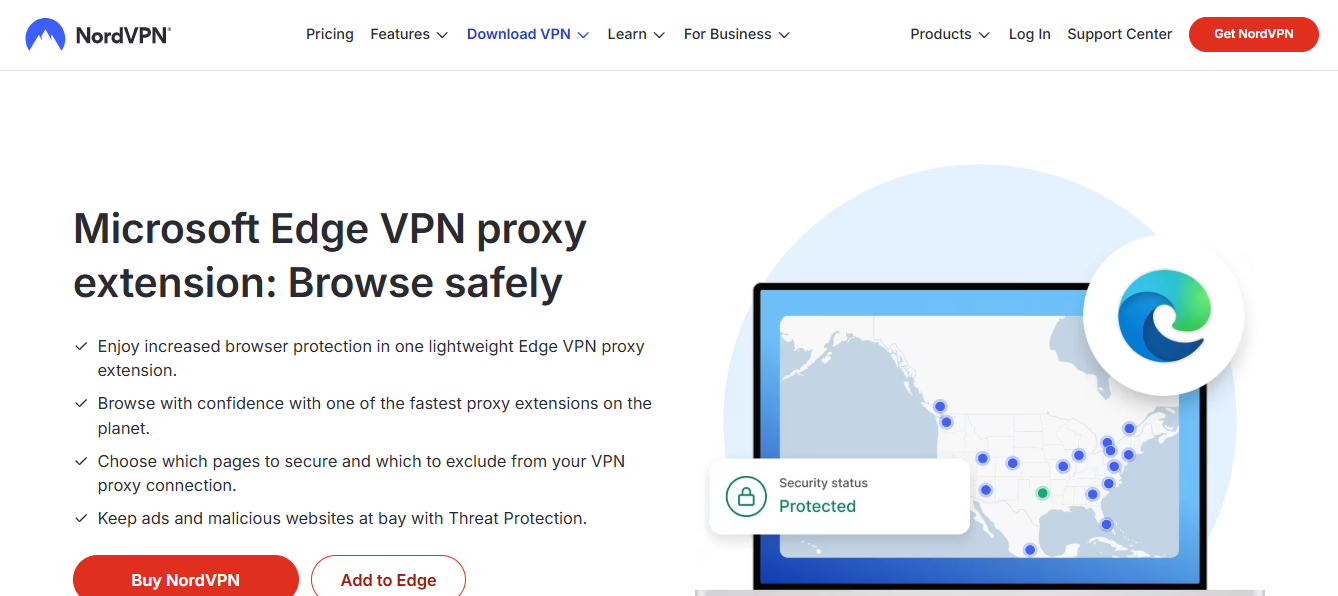
- A VPN add-on for Edge is a browser extension that routes your browser traffic through a VPN server, typically via a lightweight client built into the browser.
- It provides quick protection on the browser level, which is especially helpful on shared or public networks where you’re often using web-based services, streaming sites, or online banking.
- Pros:
- Quick to set up and start using
- Minimal impact on your entire device’s network configuration
- Often enough for casual browsing, streaming, and public Wi-Fi protection
- Some extensions support WireGuard or OpenVPN protocols
- Cons:
- Doesn’t encrypt non-browser apps or background services unless the extension includes a system-wide mode
- May be slower than a full VPN app on some servers due to browser-specific routing
- Features like a true kill switch or DNS/leak protection can vary by provider and extension
- Bottom line: If your primary activity is web browsing and light streaming on Edge, a VPN add-on is a convenient solution. For heavy torrenting, gaming with low latency, or device-wide privacy, a full VPN app is usually a better fit.
Key features you should expect in Edge VPN add-ons Votre adresse ip publique le guide complet avec nordvpn pour comprendre, protéger et naviguer sur le web en toute sécurité 2026
- IP masking and encrypted traffic for browser activities
- Multiple server locations and country options
- Protocol options WireGuard, OpenVPN, IKEv2 or similar
- WebRTC and DNS leak protection
- Kill switch or app-based equivalent whether available varies by provider
- Easy auto-connect on startup and on untrusted networks
- No-logs or minimal-logs policies check provider specifics
- Split tunneling rare in browser-only extensions. more common in desktop apps
- Ad and tracker blocking integration some extensions offer this, but not as a substitute for a full VPN
Performance and speed: what to expect
- Speed impact varies by server distance, protocol, and network congestion.
- Typical ranges you may observe:
- Using a nearby server with WireGuard: around 5-15% slower than baseline browser speed on a light-load network
- Long-distance servers or older protocols: 20-40% slower
- In peak times, you may see slower speeds due to internet congestion rather than the VPN itself
- To minimize slowdowns:
- Choose a nearby server when possible
- Use modern protocols like WireGuard or equivalent offered by the extension
- Disable unnecessary features that add overhead like ad blocking when you don’t need it
- For streaming: many Edge VPN add-ons work with popular services, but some streaming platforms may still detect and block traffic. If that happens, switch to a different server or protocol, or try a different provider.
Privacy and security: what a browser extension can and cannot protect
- Browser-level privacy
- Masks your public IP for websites visited through Edge
- Encrypts traffic from Edge, not necessarily from other apps on your device
- Helps reduce tracking by some advertisers by masking your IP
- What it doesn’t cover
- System-wide privacy: other apps on your device torrent clients, mail apps, background processes won’t automatically use the extension
- Endpoint security: it doesn’t replace antivirus or malware protection
- Physical device security: it won’t prevent data breaches on the application level
- Leaks and protection
- Look for DNS leak protection in the extension settings
- Ensure WebRTC leak protection is enabled if the extension offers it
- Check the provider’s privacy policy: do they log any metadata, and if so, what kind?
- Trust and governance
- Use a reputable provider with transparent policies
- Prefer providers that publish independent audits or third-party reviews
- Consider a provider’s history with data retention laws and government data requests
Edge extensions vs. standalone VPN apps: which should you pick?
- Edge extension advantages
- Quick enable/disable with one click
- Lightweight and easy to manage for browser-only privacy
- Great for privacy on public Wi-Fi when you’re mainly browsing and streaming in-browser
- Standalone VPN app advantages
- System-wide protection for all apps and background processes
- More robust kill switch, leak protection, and split tunneling
- Often better for gaming, software updates, or cross-device usage
- When to choose one over the other
- Choose a browser extension if you mostly browse, read, or stream in Edge and want a fast, simple setup
- Choose a full VPN app if you need device-wide security, multi-device coverage, or advanced features
- Some providers offer both: you can use the Edge extension for quick protection and the desktop app when you need broader coverage. If you’re balancing convenience with privacy, a dual approach can work well.
Step-by-step guide: how to install a VPN add-on in Edge
- Step 1: Open Edge and go to the Edge Add-ons store
- Step 2: Search for a reputable VPN extension e.g., NordVPN, ExpressVPN, Surfshark
- Step 3: Read the extension details and permissions. look for encryption standards and leak protection features
- Step 4: Click Add to Edge to install the extension
- Step 5: Pin the extension to your toolbar for quick access
- Step 6: Open the extension, sign in or create an account, and grant necessary permissions
- Step 7: Pick a server location, choose a protocol if offered, and enable kill switch/DNS protection
- Step 8: Test your connection by visiting a site that shows your IP, and verify that the IP and location reflect the server you chose
- Step 9: Enable auto-connect on untrusted networks and at startup if you want consistent protection
- Step 10: Customize preferences split tunneling, notifications, auto-reconnect to suit your workflow
- Tips
- If you run into issues, restart Edge or reload the extension
- Clear browser cache if you experience DNS or connection problems
- Check for extension updates regularly, as providers release security improvements
Security best practices and setup tips for Edge VPN add-ons Vpn for edge 2026
- Always enable DNS leak protection if the option is available
- Keep your extension and Edge browser up to date
- Use strong, unique passwords for your VPN account and enable multi-factor authentication if offered
- Review the extension’s permissions and limit access to what’s necessary
- Consider using a dedicated kill switch or a browser-wide option if you want to block all traffic when the VPN disconnects
- Don’t rely solely on the VPN extension for privacy. combine with good browser hygiene, ad-blockers, and anti-tracking practices
- Be mindful of addon marketplaces: only install extensions from reputable developers and avoid third-party mirrors
Edge VPN add-ons for streaming and geo-unblocking
- Many people use Edge extensions to access geo-restricted content on streaming sites right from Edge
- Best practices:
- Pick a server location matching the content you want to access
- If a service detects VPNs, switch servers or try a different protocol
- Some streaming platforms actively block VPN IP ranges. have a few ready to rotate
- Real-world tips:
- If one server is blocked, it’s common to switch to a nearby server or a different region e.g., if US content is blocked, try Canada or UK depending on the service
- Periodically check for updates from the VPN provider about server availability for streaming
Edge VPN add-ons for work and productivity
- For remote workers, Edge extensions can secure sensitive web traffic, protect login pages, and anonymize browsing on shared devices
- Combine with a company-approved policy: ensure admins approve recommended extensions and maintain device security standards
- In enterprise environments, browser extensions can be deployed via centralized policies to ensure consistency and compliance
Common troubleshooting steps
- If the extension won’t connect:
- Check your network and try a different server
- Ensure your subscription is active and you’re logged in
- Reinstall the extension or clear Edge cache
- If you notice DNS leaks:
- Enable DNS leak protection and switch servers
- Verify the extension has the latest DNS protection updates
- If you experience slow speeds:
- Switch to a nearby server and try a different protocol
- Temporarily disable other bandwidth-heavy extensions or activities
- If streaming fails:
- Try a server location that is known to be unblockable for the service
- Clear cookies or launch Edge in a private window with the extension active
- If the browser acts oddly after install:
- Disable or remove conflicting extensions
- Check Edge’s own privacy settings and reset to default if needed
Use cases: who should consider an Edge VPN add-on
- Casual browsers who want to avoid targeted ads and mask their IP
- Travelers who want to maintain access to local content while abroad
- Students or freelancers using public Wi-Fi networks
- People who want a quick privacy layer while researching or banking online in Edge
Edge extension security: what to watch for Vpn for edge browser: how to use a VPN with Microsoft Edge for privacy, security, streaming, and faster browsing 2026
- Look for extensions with transparent privacy policies and independent audits
- Prefer providers with a clear no-logs stance and robust security features
- Be cautious with free extensions. they can trade performance for data
Frequently Asked Questions
What is a VPN add-on for Edge?
A VPN add-on for Edge is a browser extension that routes your Edge browser traffic through a VPN server, masking your IP and encrypting data for browser activities.
How do I install a VPN add-on in Edge?
Go to the Edge Add-ons store, search for a trusted VPN extension, click Add to Edge, sign in, grant permissions, and start using it after selecting a server.
Is Edge VPN add-on the same as a full VPN app?
No. A browser extension covers browser traffic, while a full VPN app provides system-wide protection for all apps and background processes.
Does Edge support multiple VPN extensions?
Yes, you can install more than one, but you should not run them simultaneously. pick one to avoid conflicts and leaks. Vpn edgerouter 4 setup guide for secure remote access, site-to-site VPN, performance optimization, and troubleshooting 2026
Can I use a VPN add-on for streaming on Edge?
Yes, many extensions help you access geo-restricted content by connecting to servers in different regions, but some services block VPN traffic.
Do Edge VPN add-ons keep logs?
It depends on the provider. Look for a transparent privacy policy and independent audits. Prefer no-logs claims backed by verifiable evidence.
Can I keep my latency low while using a VPN add-on?
Yes, by choosing a nearby server and using a fast protocol like WireGuard. Distance, server load, and protocol all affect latency.
Will a VPN extension protect my WebRTC leaks?
Many extensions include WebRTC protection, but you should verify this in the extension’s security settings.
Is NordVPN compatible with Edge extensions?
NordVPN offers Edge extensions in addition to its desktop apps, delivering browser-level privacy and easy access to server locations. Vpn funktioniert nicht im wlan so lost du das problem 2026
How do I test if my VPN extension is working properly?
Visit a site that shows your IP e.g., whatismyipaddress.com and confirm the IP and location reflect your selected server. Also check for DNS leaks.
Can I use Edge VPN add-ons on other browsers?
Some providers offer extensions for multiple browsers, but extensions are generally browser-specific. Check compatibility before installing.
Are there privacy risks with browser VPN extensions?
Yes, any extension can collect data if not well-vetted. Choose reputable providers with strong privacy policies and independent audits.
What should I do if I suspect a leak or a breach?
Pause VPN use on Edge, test for leaks, update the extension, and contact customer support. If needed, switch to the provider’s desktop app for broader protection.
Conclusion As requested, no formal conclusion section is included, but here’s a quick wrap-up you can rely on.
- Edge VPN add-ons offer a fast, convenient way to protect browser traffic and unblock content on Edge, with the caveat that they don’t cover all device activity.
- For best results, pair an Edge extension with secure browsing habits, regular updates, and a solid privacy toolkit.
- If you’re ready to take Edge privacy up a notch and want a trusted option with a strong deal, remember the NordVPN link above for a substantial discount.
Note: This content is tailored for readers seeking practical guidance on VPN add-ons for Edge, with real-world steps, clear comparisons, and practical tips to help you stay private, secure, and connected.
Vpn下载安装指南:如何在 Windows、macOS、Android、iOS 上下载、安装、配置与优化 VPN