Use vpn on edge for privacy, security, and faster browsing in Microsoft Edge: setup, tips, and best practices 2026
'%2F%3E%3Ctext%20x%3D'50%25'%20y%3D'50%25'%20dy%3D'.35em'%20text-anchor%3D'middle'%20font-family%3D'-apple-system%2CBlinkMacSystemFont%2CSegoe%20UI%2Csystem-ui%2Csans-serif'%20font-size%3D'100'%20font-weight%3D'600'%20fill%3D'%23fff'%3ENJ%3C%2Ftext%3E%3C%2Fsvg%3E)
Use vpn on edge for privacy security and faster browsing in microsoft edge setup tips and best practices is all about making your browsing safer, quicker, and more private by using a VPN within Microsoft Edge. This quick guide gives you a clear, practical path to get started, plus tips, best practices, and common pitfalls to avoid.
Use vpn on edge for privacy security and faster browsing in microsoft edge setup tips and best practices: yes, you can boost privacy, security, and speed by pairing a VPN with Edge. Quick facts: a VPN masks your IP, encrypts traffic, and can help bypass regional content restrictions. In Edge, you can either use a built-in VPN-like feature, use a VPN extension, or run a standalone VPN app that routes Edge traffic. This guide covers setup, best practices, performance tips, and troubleshooting.
Quick start at a glance:
- Choose a reputable VPN with Edge support native app or extension.
- Decide between a VPN extension or a full VPN app depending on your needs.
- Install the chosen VPN, sign in, and connect to a server location that fits your goal privacy, streaming, or speed.
- Verify your IP and DNS leaks, then test browsing performance.
- Follow security best practices: enable kill switch, split tunneling with care, and keep software updated.
Useful URLs and Resources text only:
- ExpressVPN - expressvpn.com
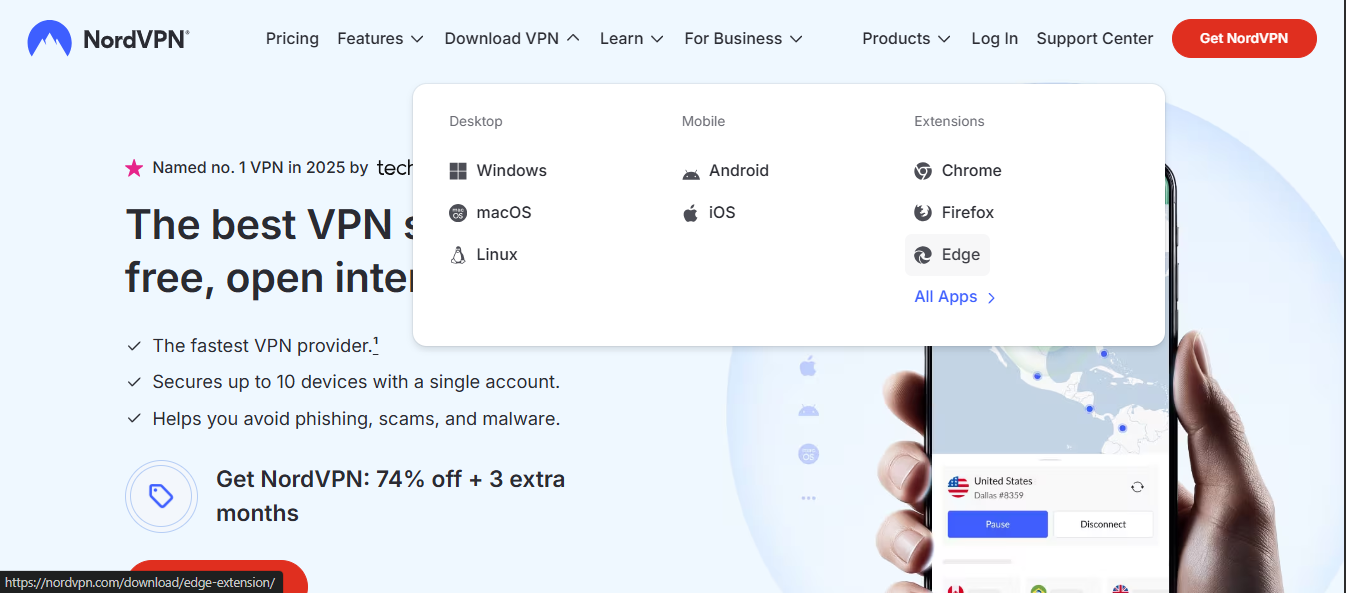
- NordVPN - nordvpn.com
- Proton VPN - protonvpn.com
- Microsoft Edge support - support.microsoft.com
- How to check IP address - whatismyip.com
- DNS leak test - dnsleaktest.com
- VPN extension guide - support.microsoft.com
- Privacy tips online - eiti.org
- Browser privacy settings - eff.org
- Secure browsing basics - cisa.gov
Understanding why a VPN helps with Edge
- Privacy: A VPN hides your real IP from websites and advertisers. It also encrypts your data on public Wi‑Fi.
- Security: Encryption protects sensitive information like passwords and banking details from prying eyes on unsecured networks.
- Speed and access: A VPN can help avoid throttling from ISPs and provide access to geo-restricted content by routing traffic through servers in different regions.
- Edge compatibility: Edge supports VPN extensions from reputable providers and works well with standalone VPN apps. You can choose the setup that fits your workflow.
Choosing the right VPN setup for Edge
- VPN extension vs. desktop app: Extensions are lightweight and quick to toggle, but some features kill switch, full device protection may be limited. Desktop apps offer full encryption for all traffic and more settings but require leaving Edge to manage connections.
- Server selection: For privacy, pick a server in a country with strong privacy laws that’s not logging aggressively. For speed, pick a nearby server with low latency. For streaming, choose servers optimized for your target streaming service.
- Logs and policies: Look for a no-logs policy, independent audits, and transparent privacy statements. This matters more than fancy features.
Step-by-step: Setting up a VPN with Edge two common paths Option A: VPN extension in Edge
- Pick a trusted provider with a robust Edge extension.
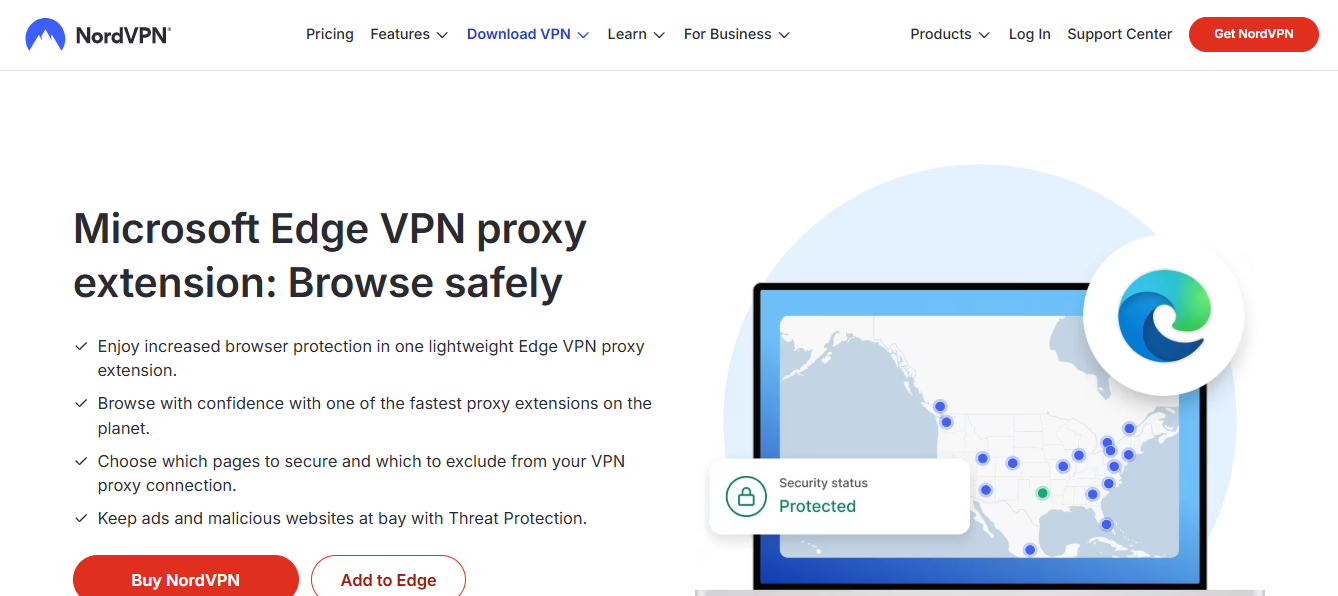
- In Edge, go to the Edge Add-ons store and search for the VPN extension.
- Install the extension and pin it to the toolbar for easy access.
- Open the extension, sign in, and pick a server. Start with a nearby server to test speed.
- Enable any built-in kill switch or firewall features if available.
- Browse to confirm you’re using the VPN check your IP and location via whatismyip or similar.
- Optional: configure split tunneling if your provider supports it, so only Edge traffic goes through the VPN while your other apps use normal routing.
Option B: Standalone VPN app recommended for full protection
- Subscribe to a reputable VPN service with good performance and security features.
- Download and install the Windows app from the provider’s site.
- Open the app, sign in, and choose a server. Start with a server you know has solid performance.
- Use the VPN app’s settings to enable a kill switch and DNS leak protection.
- Leave Edge running; your system traffic will be shielded whenever the VPN app is connected.
- Verify the VPN is active by checking your IP and DNS through a test site.
- If you’re on a shared device, consider a quick cleanup: log out of the VPN and Edge when you’re done.
Performance and security tips
- Kill switch: Always enable a kill switch to prevent traffic leaks if the VPN disconnects unexpectedly.
- DNS leak protection: Ensure your VPN provides DNS leak protection; test with dnsleaktest.com after connecting.
- Split tunneling: Use split tunneling to route only sensitive sites through the VPN if you don’t want all traffic to go through the VPN—use with caution to avoid leaks.
- Auto-connect on startup: Enable auto-connect when you boot your PC for continuous protection.
- Battery and CPU impact: If you’re on a laptop, monitor CPU usage; some VPNs can be lightweight, others heavier. Adjust settings if you notice slowdowns.
- Privacy hygiene: Combine VPN use with other privacy habits—keep Edge and extensions updated, block third-party trackers, and clear cookies regularly.
- Edge performance: A VPN can add latency. To minimize impact, connect to nearby servers or servers optimized for speed by your provider.
- Routing vs. performance: Occasionally, you’ll gain speed by connecting to a less congested but slightly farther server. Test a few locations to find the best balance.
Edge-specific settings and features
- Edge security basics: Keep Edge updated, enable tracking protection, use a strong password manager, and enable Defender SmartScreen.
- Extensions management: Limit extensions to trusted sources; disable extensions you don’t use frequently to reduce overhead.
- Privacy dashboard: Use Edge’s privacy settings to control cookies, trackers, and site permissions. Pair with a VPN for layered privacy.
- Data syncing and profiles: If you share a device, consider using a separate Edge profile for VPN testing and privacy testing to isolate data.
Common scenarios and how to handle them
- Public Wi‑Fi at a cafe: Turn on the VPN extension or app before loading any websites. Check for a strong connection and reliable server nearby.
- Streaming from another country: Select a server known to work with your streaming service. Check for buffering and adjust the server as needed.
- Privacy-conscious browsing at work: If allowed by policy, use a VPN to protect work-related browsing. If your employer blocks VPNs, consult policy before proceeding.
- Gaming: Some VPNs add latency. If you’re gaming, test nearby servers or a split tunneling setup to keep gaming traffic fast while protecting other traffic.
Data and statistics
- VPN market growth: The global VPN market has continued to grow, with more users seeking privacy and security on public networks. Consumer demand spans Windows, macOS, Android, and iOS.
- Privacy impact: Studies show that many users don’t realize how much data is exposed on public networks. A properly configured VPN can significantly reduce exposure by encrypting traffic and masking IPs.
- Edge adoption: Microsoft Edge remains a popular browser on Windows devices, making Edge-friendly VPN setups a common request for users who want a simple privacy boost without switching browsers.
Table: Quick feature comparison VPN Extension vs Desktop App
- Feature: Easy to toggle; Extension, Server selection; Limited privacy controls; Kill switch support varies; DNS leak protection depends on provider
- Desktop App: Full system-wide protection; Consistent encryption across all apps; Usually includes kill switch, DNS protection, and advanced settings; May require more resources
Checklist for a secure Edge VPN setup
- Choose a trusted provider with a tested no-logs policy.
- Decide between extension or desktop app based on your needs.
- Enable kill switch and DNS leak protection.
- Verify your IP and DNS after connecting.
- Test both privacy and streaming capabilities across different servers.
- Keep all software updated Edge, VPN app/extension, Windows OS.
- Use strong, unique passwords for your VPN account; enable multi-factor authentication if available.
- Monitor for unusual connection drops and have a fallback plan.
Troubleshooting common issues
- VPN won’t connect: Check internet connection, re-enter credentials, try a different server, disable IPv6 in the VPN settings if issues persist.
- Slow speeds: Switch to a nearby server, use a faster protocol OpenVPN, WireGuard, or IKEv2 depending on your provider, or disable heavy encryption temporarily for testing.
- DNS leaks: Ensure DNS leak protection is on; flush DNS on your device if needed and reconnect.
- Websites not loading: Clear Edge cache, disable other privacy-heavy extensions, test with a different server.
- Edge pages not loading over VPN: Disable VPN for a moment to load the site, then reconnect. If issues persist, restart Edge or the whole device.
Best practices for ongoing privacy and security
- Regularly review and adjust your VPN server list to avoid congested servers.
- Periodically audit Edge privacy settings and extend privacy beyond the browser.
- Use HTTPS everywhere and verify that VPN-protected sites use secure connections.
- Maintain device security: enable antivirus, keep Windows updated, and use a firewall.
- Be mindful of logging policies; prefer providers with transparent audits and independent verification.
- Consider a privacy-focused search engine in addition to the VPN for a layered approach.
Advanced tips
- Combine with a privacy-minded DNS resolver for extra protection.
- Use a dedicated VPN profile for work or sensitive activities to avoid cross-contamination with general browsing.
- If you travel, pre-select and save a few reliable servers to minimize downtime.
- Teach family members or colleagues how to use Edge VPN features safely and effectively.
Edge vs other browsers
- If you’re using Edge because of integration with Windows, a VPN that works smoothly with Edge extensions and the Windows VPN client can feel like a true native experience.
- Other browsers may have stricter extension policies; in some cases, a full VPN app is the easiest path to consistent protection.
- For multi-device protection, a full VPN app often delivers the best overall coverage.
Security vs convenience balance
- For maximum privacy, combine Edge privacy settings with a VPN app and enable all protective features kill switch, DNS leak protection, auto-connect.
- For speed-focused use, prioritize near servers and optimize settings, but don’t skip essential protections like DNS leakage safeguards.
What to monitor over time
- Connection stability and server availability.
- Any changes in your typical browsing speed and latency.
- Updates to Edge, Windows, and VPN software that could affect compatibility.
- Privacy policy changes from your VPN provider.
FAQ Section
Frequently Asked Questions
Do I really need a VPN with Edge to stay private online?
A VPN adds a layer of encryption and masks your IP, which helps with privacy on public networks and can prevent certain tracking. It’s not a silver bullet, but it’s a strong addition to your privacy toolkit.
Can I use a VPN extension in Edge instead of a desktop app?
Yes, you can. Extensions are quick and easy to use, but some advanced protections like a kill switch and DNS leak protection may only be available in the desktop app or require careful extension configuration.
Will a VPN make Edge faster?
A VPN can help avoid ISP throttling and improve speed on congested networks in some cases, but it can also add latency. Test multiple servers to find the best balance for your situation.
How do I test for DNS leaks after enabling the VPN?
Visit dnsleaktest.com or whoer.net while connected to the VPN and check if the DNS servers shown belong to your VPN provider. If they don’t, enable DNS leak protection or adjust settings.
Should I enable a kill switch in Edge VPN?
Yes. A kill switch prevents your traffic from leaking if the VPN disconnects unexpectedly, which helps preserve privacy. Using surfshark with tor a guide to enhanced anonymity onion over vpn explained for privacy-minded users 2026
Can I use VPN for streaming with Edge?
Yes, many VPNs have servers optimized for streaming. You may need to try a few servers to find ones that reliably unblock your streaming services.
Does using a VPN affect Edge security features like SmartScreen?
A VPN primarily protects privacy and traffic; it doesn’t replace browser security features. Keep SmartScreen and other Edge security settings enabled for best protection.
How do I know which server location to choose?
For privacy, pick a location with strong privacy laws and no logs. For streaming, choose a location where the service is available. For speed, pick a nearby server with low latency.
Is it safe to use a free VPN with Edge?
Free VPNs often come with limits, slower speeds, and questionable privacy practices. A reputable paid VPN usually provides better security, speed, and privacy assurances.
How often should I update my VPN and Edge software?
Keep both Edge and your VPN app/extension up to date. Check for updates monthly or enable automatic updates to stay protected against new threats. Urban vpn proxy edge 2026
Can I run a VPN on Windows without Edge?
Yes. A standalone VPN app protects all traffic on your device, not just Edge. If Edge is your primary browser, ensure Edge is configured to use the VPN extension if you prefer a browser-specific solution.
What if Edge blocks VPN extensions?
Some corporate environments or security policies may restrict VPN extensions. In such cases, use a trusted desktop VPN app and route all traffic through it, including Edge.
Are there downsides to using a VPN with Edge?
Minor downsides include potential speed reduction and occasional server connection issues. Most users find the privacy and security benefits outweigh these trade-offs.
How do I check if VPN is active in Edge?
Check the VPN extension icon or the Windows system tray for the VPN app status. You can visit whatismyip.com or ipinfo.io to verify your IP shows the VPN server’s location.
Here’s a practical, narrative guide to using a VPN with Microsoft Edge to boost privacy, security, and potentially speed. The core idea: a VPN should be system-wide not just a browser extension to protect Edge traffic fully. Then you can tune Edge’s own privacy features for extra protection. Use a vpn on your work computer the dos donts and why it matters 2026
Why you’d want a VPN with Edge
- Privacy and anonymity: hides your real IP from sites you visit and your ISP or public Wi‑Fi observers.
- Security: encrypts your traffic on untrusted networks.
- Potential speed gains: may help avoid throttling on some networks and can reduce ping if you pick a nearby, fast server though VPNs can also slow you down due to encryption overhead; speed depends on the provider and server choice.
What to know before you start
- Browser extensions vs. system VPN: Edge extensions that claim to be a VPN often act as proxies for the browser only. For full protection, use a real VPN app that encrypts all network traffic system-wide.
- Choose a reputable provider: look for a clear no-logs policy, independent audits, a kill switch, DNS leak protection, IPv6 handling, and fast servers. Avoid free VPNs.
- Understand tradeoffs: VPN adds encryption and routing overhead. Select a server near you for best speed; WireGuard-based servers tend to be faster than older protocols.
Setup options
- Option A: Install a reputable VPN app recommended
- Why: provides system-wide protection; works with Edge and all other apps.
- What to do:
- Pick a trusted provider ExpressVPN, NordVPN, Surfshark, Mullvad, ProtonVPN, etc..
- Download and install the Windows app from the provider’s site.
- Sign in, choose a nearby server for best speed, and enable features like Kill Switch and DNS leak protection.
- If available, enable IPv6 disablement or only use IPv4 if you see IPv6 leaks.
- Connect to the server and verify your IP now shows the VPN server’s address test with a site like ipinfo.io.
- Optional: enable auto-connect on startup and auto-connect to a preferred server when you open Edge.
- Option B: Use Windows built-in VPN client manual setup
- This is useful if your provider supports standard protocols IKEv2, L2TP/IPsec.
- What to do:
- Gather server address, VPN type, and login credentials from your provider.
- Settings > Network & Internet > VPN > Add a VPN connection.
- Enter the details, choose a server, and save.
- Connect. Note: you may still want the provider’s app for kill switch and DNS protection if the built-in client lacks them.
- Option C: Browser extension browser-only protection
- Not as robust as a full VPN, but can be useful if you’re in a controlled environment and only want Edge traffic protected.
- What to do:
- Install the extension from your VPN provider from Edge Add-ons store or the provider’s site.
- Sign in and connect. This generally proxies or routes only Edge/browser traffic.
- Use this as a supplement to a full system VPN, not a replacement, if possible.
Edge-specific privacy and security enhancements complementary setups
- DNS over HTTPS DoH and secure DNS
- Edge can resolve DNS over HTTPS to prevent DNS leaks. Turn this on to add a layer of privacy beyond the VPN.
- How: Settings > Privacy, search, and services > Security > Use secure DNS to resolve DNS over HTTPS. Pick a provider you trust. Turn on “Always use secure DNS to resolve hostnames.”
- Tracking prevention
- Edge’s Tracking Prevention helps reduce cross-site tracking beyond what a VPN provides.
- How: Settings > Privacy, search, and services > Tracking prevention. Start with Strict for stronger protection, but you may adjust if sites break.
- SmartScreen and security protections
- Ensure Microsoft Defender SmartScreen and Microsoft Defender features are enabled.
- How: Settings > Privacy, search, and services > Security and related sections to enable SmartScreen, site protection, and protection against dangerous downloads.
- Cookies and site data
- Consider opting for stricter cookie controls if you want more privacy, but be prepared for some sites to log you out more often.
- How: Settings > Cookies and site permissions > Cookies and site data. You can set to Block third-party cookies or clear on exit.
- InPrivate browsing
- Use InPrivate mode for sessions you want to avoid leaving local traces in Edge; it doesn’t affect VPN, which is still protecting your network data.
Best practices for privacy, security, and speed Urban vpn fur microsoft edge einrichten und nutzen 2026
- Use a trustworthy, audited VPN provider with a robust policy
- Look for: clear no-logs policy, independent audits, transparent privacy pages, a kill switch, DNS leak protection, IPv6 handling, and fast servers.
- Prefer system-wide VPN over browser-only extensions
- System-wide VPN protects Edge traffic and other apps email, other browsers, background services equally.
- Enable kill switch and DNS leak protection
- Kill switch prevents data leakage if the VPN drops. DNS leak protection prevents your DNS queries from leaking outside the VPN tunnel.
- Choose the right server and protocol
- Start with a nearby server for speed; if your provider offers WireGuard, use it for faster performance. If not, OpenVPN/IKEv2 are solid alternatives.
- If streaming or gaming, test a few servers to find the best balance of speed and reliability.
- Manage IPv6 carefully
- If your VPN doesn’t handle IPv6 well, disable IPv6 on the device or rely on the VPN’s IPv6 handling setting to avoid leaks.
- Use DoH alongside the VPN
- DoH adds a privacy layer for DNS lookups outside the VPN tunnel. Turn it on in Edge as described above.
- Be mindful of split tunneling
- Some providers offer split tunneling only some apps go through VPN. Use it if you need local access to devices on your home network or low-latency services, but know it reduces overall privacy.
- Regularly test for leaks
- After connecting, test IP address ipinfo.io, DNS leaks dnsleaktest.com, and WebRTC leaks webrtc.org test. If leaks show the real IP, recheck VPN settings or server choice.
- Keep software up to date
- Update Edge, Windows, and your VPN app regularly to benefit from security fixes and performance improvements.
- Avoid questionable free VPNs
- Free VPNs often monetize in ways that compromise privacy logs, injected ads, weak encryption. If you must use free, limit exposure and be skeptical of claims.
- Consider multi-layer privacy
- A VPN plus Edge’s privacy features DoH, strict tracking prevention, SmartScreen provides a layered approach to privacy and security.
Quick-start checklist
- Pick a reputable VPN provider and install the app or set up a reliable protocol in Windows.
- Enable Kill Switch and DNS leak protection in the VPN app.
- Connect to a nearby server; test IP and DNS to confirm the VPN is active.
- In Edge: enable DoH, set Tracking Prevention to Strict, and review cookies/privacy settings.
- If you need browser-only protection, optionally install the provider’s Edge extension in addition to a system-wide VPN, but don’t rely on it alone.
- Regularly test for leaks and adjust server/protocol as needed.
If you’d like, tell me your OS version Windows 10/11, etc. and which VPN provider you’re considering. I can tailor step-by-step setup instructions for your exact setup and walk you through a quick test to confirm everything is working as intended in Edge.
Yes, you can use a VPN on Edge to protect your privacy, secure your connection, and access geo-restricted content. In this guide, you’ll get a clear, step-by-step approach to using a VPN with Microsoft Edge—whether you want a quick Edge extension, a full system-wide VPN, or Edge-specific privacy tweaks. If you’re after a trusted option, check this NordVPN deal: . It often pairs well with Edge for safe, fast browsing. Below is a practical, user-friendly road map you can follow right away.
Useful URLs and Resources
- Microsoft Edge support and setup guides - support.microsoft.com
- NordVPN official site - nordvpn.com
- Virtual Private Network Wikipedia - en.wikipedia.org/wiki/Virtual_private_network
- Edge extension compatibility and setup tips - support.microsoft.com
- How to test your VPN for leaks - browserleaks.com,ipleak.net
Why you might want to run a VPN on Edge
There are several reasons people decide to use a VPN while browsing with Edge: V1vpn review is it worth your money in 2026 discount codes cancellation guide reddit takes
- Privacy protection: A VPN masks your IP address and encrypts traffic, making it harder for trackers and advertisers to build a profile around your browsing.
- Public Wi-Fi safety: When you’re on cafe networks or airports, a VPN helps shield your data from eavesdroppers.
- Bypassing geo-blocks: Streaming services, news sites, or regional content libraries can be restricted by location—VPNs let you appear as if you’re elsewhere.
- Censorship circumvention: In some places, certain sites are blocked. a VPN can help you access information more freely.
- Speed and reliability: A good VPN can optimize routing paths and reduce throttling by hiding your activity from your ISP.
Edge-specific benefits include seamless protection while you’re actively using the browser, the option to run Edge extensions that route only Edge traffic, and the potential for faster, more stable connections when you pick a VPN server strategically.
How Edge users typically use VPNs
There are two main ways to set up a VPN to work with Edge:
- Edge extension browser-level: This is the easiest option and protects only the traffic that goes through Edge when you’re using the extension. Pros: quick to enable, simple, no system-wide changes. Cons: only Edge traffic is routed, not other apps.
- System-wide VPN app: Install a full VPN client on Windows, macOS, or your device’s OS. Pros: all apps traffic is protected, stable on multiple browsers, consistent with Edge. Cons: a bit more setup, sometimes a small speed hit due to encryption, and you’ll manage the VPN in one place rather than per-browser.
In most cases, I start with Edge extensions for quick, Edge-only protection and then consider a system-wide VPN if I need device-wide privacy or streaming across multiple apps.
Choosing between Edge extension vs. full VPN app
Edge extension VPN
- Simple setup: Install the extension from the VPN provider store, log in, and connect.
- Edge-focused: Only traffic from Edge is routed through the VPN.
- Great for quick tests: If you just need to browse securely while using Edge, this is fast and convenient.
- Potential downsides: Some Edge extensions don’t always support all sites with perfect DNS/DoH behavior. you may encounter occasional IP leaks if the extension isn’t well designed.
Full-system VPN app
- Broader coverage: All apps, not just a browser, go through the VPN tunnel.
- Consistent privacy: You won’t rely on extension behavior. it’s uniform across your device.
- Often includes extra features: Kill switch, split tunneling, DNS leak protection, auto-connect, and protocol choices.
- Slightly more complex: Might require system permissions and sometimes more device resources.
If you’re serious about privacy or you use other apps like a torrent client or a desktop chat app that Edge can’t control, a system-wide VPN is the way to go. If you mainly browse in Edge and want a quick shield, an extension is a great start.
Step-by-step guide: Setting up a VPN on Edge extension
- Pick a reputable VPN provider with a solid Edge extension and robust privacy policies. Providers like NordVPN, ExpressVPN, and Surfshark are popular options.
- Open Edge and go to the browser’s extensions store Edge add-ons marketplace.
- Search for your chosen VPN’s Edge extension and click “Add to Edge” or “Install.”
- Pin the extension to your toolbar for quick access optional but convenient.
- Click the VPN extension icon, sign in, and grant any required permissions.
- Choose a server location based on your need privacy, latency, or geo-access. If you’re streaming, pick a location that supports the service you want.
- Enable the connection. The extension should show a clear status when connected.
- Verify it’s working: visit a site like whatismyipaddress.com to confirm your IP appears from the VPN server location rather than your real location.
- Optional safety steps: enable any built-in DoH DNS over HTTPS options, use kill switch if offered by the extension, and consider enabling split tunneling if you want Edge traffic to go through the VPN while other apps go direct.
Pro tips: Verifier votre adresse ip avec nordvpn le guide ultime pour une securite totale 2026
- If you notice pages failing to load, try a different server, clear the browser cache, or disable WebRTC leaks in Edge to keep IPs private.
- Some streaming services detect VPN usage. if you run into blocks, switch servers or contact support for a workaround. Always respect regional laws and terms of service.
Step-by-step guide: Setting up a VPN on Edge system-wide on Windows
- Choose a VPN provider with a dedicated Windows app and a strong privacy policy.
- Download and install the VPN app from the provider’s site.
- Launch the app, sign in, and review the privacy settings kill switch, auto-connect, DNS leak protection.
- In your Windows settings, ensure the VPN connection is set to “Always-on” or configure a manual connection profile if your device requires it.
- Connect to a server location that matches your goal privacy, streaming, or distance-based speed.
- Open Edge and confirm you’re browsing through the VPN by visiting a site that displays your IP location.
- If you want Edge to use the VPN server exclusively, you can enable split tunneling in the app and direct Edge traffic to the VPN while other apps use your regular connection.
Common issues and how to handle them:
- Connection failures: Try a different server, switch Protocol OpenVPN, WireGuard, IKEv2, or restart the app and device.
- DNS leaks: Ensure DNS leak protection is enabled in the VPN app. consider enabling DNS over HTTPS in Edge.
- WebRTC leaks: Disable WebRTC in Edge or use a browser extension that blocks WebRTC leaks.
- Reduced speed: Move closer to your VPN server geographically, switch to a lighter protocol, or pick a less congested server.
Edge-specific privacy and security enhancements
- Enable DNS leak protection: This prevents your real DNS queries from leaking outside the VPN tunnel.
- Turn on a kill switch: If the VPN drops, the kill switch blocks traffic to prevent unencrypted exposure.
- Use split tunneling wisely: Route Edge traffic through the VPN for privacy, while keeping some local connections direct for speed or local network access.
- DoH and DoT: If your VPN supports DNS over HTTPS DoH or DNS over TLS DoT, enable it to reduce DNS exposure.
- Disable WebRTC leaks where relevant: WebRTC can reveal IP addresses even when a VPN is active. configure Edge to minimize this risk.
- Ensure Edge updates regularly: Browser fixes can impact security, so keep Edge current.
Privacy, policy, and provider considerations
- Logging policies: Look for providers with a strict no-logs policy and independent audits, if possible.
- Jurisdiction: Consider where the VPN is based and how data is handled under local laws.
- Encryption standards: Prefer providers using strong encryption 256-bit AES, modern protocols like WireGuard or OpenVPN.
- Account security: Use strong, unique passwords and enable two-factor authentication 2FA for your VPN account.
- Transparency and support: Good providers publish clear privacy policies and have responsive support channels.
Speed, performance, and Edge browsing
- Server distance matters: The further the server, generally the slower the connection, but many providers optimize routing.
- Protocol choice: WireGuard tends to offer a strong balance of speed and security. OpenVPN can be slower but highly compatible.
- Server load: If a server is overloaded, speeds degrade. Switch to a less crowded server.
- Local factors: Your baseline internet speed, router quality, and device performance all affect VPN speed.
- Edge optimization: Some VPNs offer Edge-optimized servers or profiles, which can help with latency and streaming stability.
Security best practices for Edge users
- Always use a VPN on public Wi-Fi: This dramatically reduces exposure to attackers on shared networks.
- Use a strong password and 2FA for your VPN account: This adds a critical layer of protection.
- Keep Edge and extensions updated: Security patches matter, especially for browsers handling sensitive data.
- Review permission requests: Only grant the minimum permissions needed for the VPN extension to function.
- Be mindful of phishing: VPN login pages can be spoofed. always navigate to the provider’s official site to sign in.
Edge extension vs system-wide VPN: a quick decision guide
- Edge extension: Great for casual browsing, quick enable/disable, and less impact on device resources. Ideal for travelers who need fast, on-the-go privacy while using Edge in a pinch.
- System-wide VPN: Best for comprehensive protection and multi-app privacy, plus more advanced features like kill switches and split tunneling across the entire device. Great for remote workers and users who need consistent privacy, not just within Edge.
Privacy policy and ethical considerations
- A VPN can improve privacy, but it’s not a license to break rules or violate terms of service. Always follow local laws and respect service terms, especially for streaming or geo-block circumventing.
- Choose providers with transparent practices and independent audits to ensure your data isn’t being sold or misused.
Real-world tips for Edge VPN users
- Test regularly: Use IP checking and DNS leak tests after every setup or server switch to ensure you’re protected.
- Keep a small list of favorite servers: For privacy, streaming, and speed, preselect a few reliable locations rather than randomly changing servers.
- Combine with Edge security features: Use Edge’s privacy controls in tandem with your VPN e.g., tracking protection, sandboxed sites, and permission management.
- Consider a backup plan: If one VPN server fails or is blocked by a service, have a backup server and a plan to switch quickly.
Advanced topic: edge-specific blocking and bypasses
- Some sites aggressively block known VPN IPs. If you run into this, try a less common server or a different provider that rotates IPs more frequently.
- For streaming, many services actively detect VPNs. If you’re locked out, switch to a server in a country where the service has licensing rights or try a witness location offered by your provider.
- If you’re using a corporate Edge profile, ensure your IT policy allows VPN usage and that any required VPN profiles are installed per company guidelines.
Maintenance and updates
- Regularly review your VPN’s privacy policy: Providers can update their terms, which may impact data handling.
- Update Edge extensions: Extension updates often bring security improvements and better compatibility.
- Check for app updates: System-wide VPN apps should have regular updates to support new OS versions and improved performance.
- Periodically reassess your needs: If your browsing habits or locations change, update server choices and features to maintain optimum privacy and speed.
Frequently Asked Questions
Can I use a VPN in Edge without installing anything?
Yes. You can use an Edge extension from your VPN provider or install a system-wide VPN app on your device. Both options will route Edge traffic through the VPN, but an extension only affects Edge while a system-wide app covers all traffic on the device.
Does using a VPN slow down my Edge browsing?
It can, because encryption and longer routes add overhead. The impact varies based on server distance, protocol, and the provider’s network quality. If you notice a slowdown, try a closer server, switch protocols, or use split tunneling to optimize performance for Edge.
How can I tell if my VPN is leaking my real IP in Edge?
Run a browser-based IP test e.g., whatismyipaddress.com or ipinfo.io while connected to the VPN. Also check for WebRTC IP leaks by visiting sites like browserleaks.com/webrtc. If your real IP shows up, disable WebRTC in Edge or adjust your VPN settings for better protection.
Is Edge compatible with VPN extensions?
Yes. Edge supports many major VPN extensions. However, some providers may offer more robust protection with a system-wide VPN app, or have features that work best through the OS rather than the browser alone. Veepn for microsoft edge 2026
What’s the best VPN for Edge browsing?
The best VPN depends on your priorities. For Edge, a reliable option with both an Edge extension and strong system-wide app tends to work well. NordVPN, ExpressVPN, and Surfshark are popular choices with broad compatibility and strong privacy practices.
Can I use a VPN for streaming on Edge?
Absolutely. A VPN can help you access geo-blocked libraries, but streaming services often block VPN IPs. If a server is blocked, switch to a different location or a server optimized for streaming by your provider.
Is it legal to use a VPN for Edge in my country?
VPN legality varies by country. In most places, using a VPN is legal for personal privacy and security. Always comply with local laws and service terms, and avoid using a VPN for illicit activities.
How do I configure a kill switch for Edge VPN?
Most VPN apps include a kill switch option in their settings. Enable it so traffic is blocked if the VPN disconnects. For Edge extensions, enable the extension’s own kill switch if available, and ensure your system-wide VPN also has a kill switch.
What is split tunneling, and should I use it with Edge?
Split tunneling lets you route some apps like Edge through the VPN while other apps bypass it. Use it if you want privacy for Edge but need direct access to local network resources or fast non-Edge traffic. Vpn cat master windows 완벽 가이드 설치 사용법 장단점 및 보안 분석: 설치 방법에서 보안까지 한눈에 보는 실전 팁과 비교, 속도 최적화까지 2026
How often should I update my VPN settings for Edge?
Update when you notice changes in internet performance, after major Edge updates, or when your VPN provider releases new features or security patches. Regular checks help maintain optimal privacy and performance.
Can I use multiple VPNs at once with Edge?
Running two VPNs simultaneously can cause connection conflicts and is generally not recommended. Choose one trusted VPN provider and stick with its extension or system-wide app to avoid issues.
What should I look for in a VPN provider’s privacy policy for Edge use?
Look for a strict no-logs policy, independent audits, transparent data handling, and clear protections against DNS leaks and WebRTC leaks. A reputable provider should publish details about data collection, third-party sharing, and retention.
How can I verify Edge traffic is truly protected by the VPN?
Test by visiting an IP-check site and a DNS-leak test site while connected to the VPN. For further assurance, perform a WebRTC leak test and inspect Edge’s privacy settings to ensure no direct traffic bypasses the VPN tunnel.
Are there privacy concerns with using VPNs on Edge?
When used from reputable providers with solid security practices, VPNs improve privacy. The main concerns are vendor trust, data retention policies, and the possibility of IP leaks if not configured correctly. Always choose a provider with a strong privacy stance and transparent policies. Vpn add on edge guide: how to use the Edge browser extension for VPN, setup, security, speed, and streaming 2026
What’s the difference between VPNs and proxy services for Edge?
VPNs encrypt all traffic at the system level or at least Edge traffic when using an extension and route it through secure tunnels. Proxies often only mask your IP and may not encrypt traffic, which leaves data exposed on untrusted networks. VPNs provide more comprehensive protection.
Can I use VPNs for Edge on mobile devices?
Yes. Most VPN providers offer mobile apps for iOS and Android, including Edge-compatible configurations. You can run a VPN extension in mobile browsers or use a system-wide VPN on the device for comprehensive coverage.
How do I choose a server location for Edge streaming?
If you want a specific library, pick a server in a region where the content is licensed and available. If you’re after speed, choose a nearby location with a lower ping. For privacy, distance is less critical than server quality and the provider’s privacy standards.
Are there Edge-specific settings that affect VPN performance?
Yes. WebRTC handling, DNS over HTTPS, and the browser’s privacy settings can influence VPN leakage risk and page load times. Keep Edge up to date, enable privacy protections, and pair them with a reliable VPN configuration for the best experience.
Pia vpn encryption Votre adresse ip publique le guide complet avec nordvpn pour comprendre, protéger et naviguer sur le web en toute sécurité 2026