Secure your microsoft edge browsing with the expressvpn edge extension a complete guide 2026
'%2F%3E%3Ctext%20x%3D'50%25'%20y%3D'50%25'%20dy%3D'.35em'%20text-anchor%3D'middle'%20font-family%3D'-apple-system%2CBlinkMacSystemFont%2CSegoe%20UI%2Csystem-ui%2Csans-serif'%20font-size%3D'100'%20font-weight%3D'600'%20fill%3D'%23fff'%3EMK%3C%2Ftext%3E%3C%2Fsvg%3E)
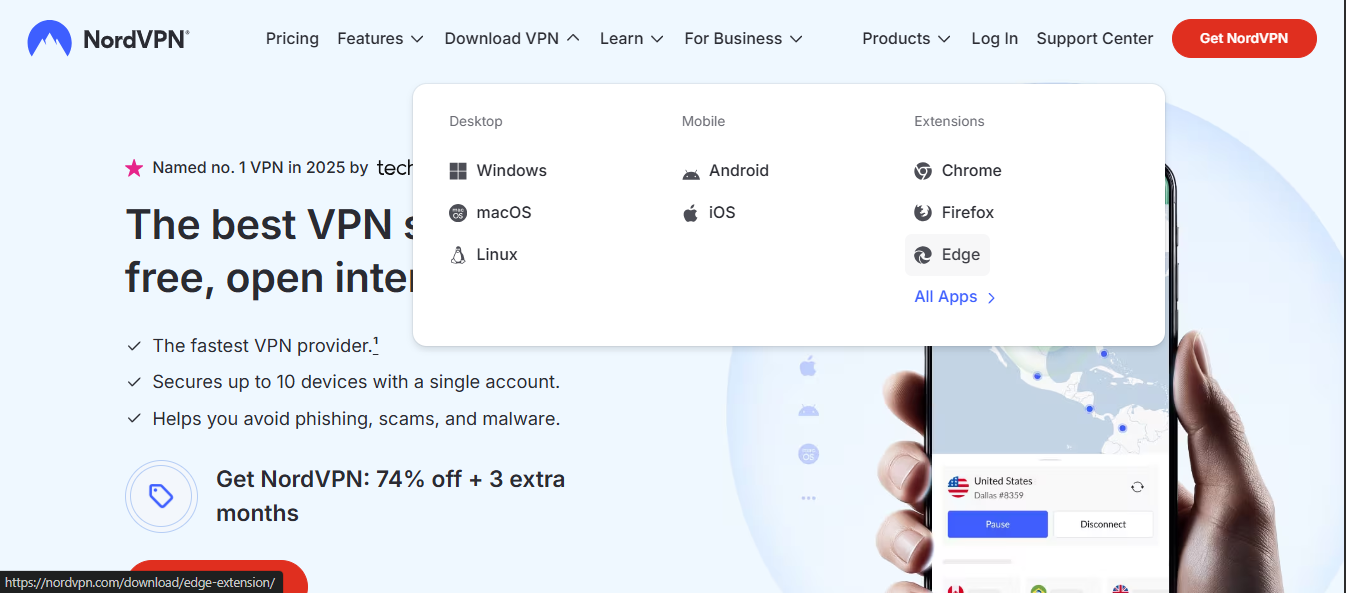
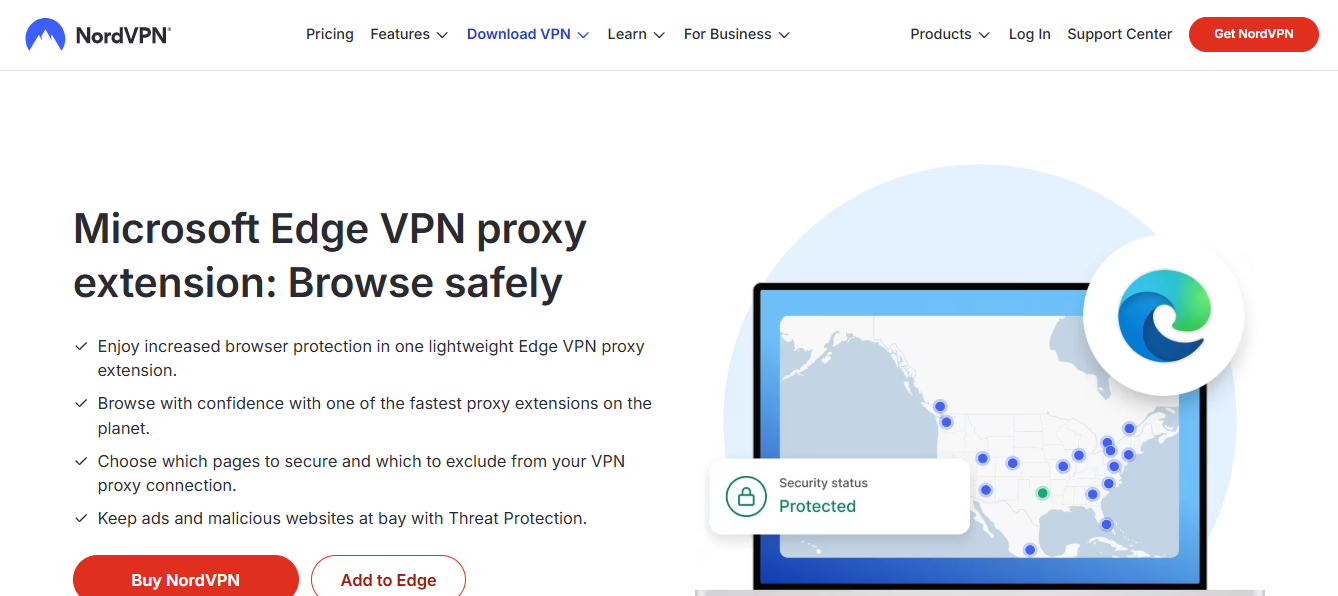
Secure your microsoft edge browsing with the expressvpn edge extension a complete guide is your practical roadmap to faster, safer, and more private browsing on Windows. In this quick-fact summary, you’ll learn what the ExpressVPN Edge extension does, how to install it, and how to use it effectively to protect your online activity. Here’s a practical, step-by-step guide you can follow right away:
- Quick fact: The ExpressVPN Edge extension helps you encrypt traffic, hide your IP, and access geo-restricted content without leaving Edge.
- What you’ll gain: Better privacy, potential security on public Wi‑Fi, and the ability to switch locations to test price differences or access region-locked sites.
- How it works: It adds a VPN layer directly in your browser, working alongside the desktop ExpressVPN app for multi-layer protection.
- What to expect: Some slowdown is possible due to encryption, but you’ll get more control over where your traffic is routed.
- Pro tip: Use the extension’s kill switch and split tunneling features to maximize performance while keeping sensitive traffic protected.
Useful resources and references unlinked text only: ExpressVPN official site - expressvpn.com, Microsoft Edge support - support.microsoft.com, VPN security best practices - en.wikipedia.org/wiki/Virtual_private_network, How to choose a VPN - cnet.com, Public Wi‑Fi security tips - wc3.org
Secure your microsoft edge browsing with the expressvpn edge extension a complete guide. Quick fact: Using the ExpressVPN Edge extension adds a VPN layer directly to your browser, which means your browser traffic can stay private even if your system has other apps running. This guide will show you how to set it up, optimize performance, and troubleshoot common issues. Whether you’re streaming content, doing sensitive work, or just browsing on public Wi‑Fi, you’ll find practical steps, tips, and real‑world examples below.
What you’ll get in this guide:
- A clear, step‑by‑step install process for the Edge extension
- How to configure settings for privacy and speed
- Practical use cases with numbers and scenarios
- Troubleshooting tips and common pitfalls
- A robust FAQ to cover your questions
If you’re in a rush, jump to the sections you care about most:
- Installation and setup
- Basic usage and best practices
- Performance and speed tips
- Privacy and security features
- Troubleshooting
- Frequently asked questions
Why secure your browsing with ExpressVPN Edge extension?
- Protects browser traffic from prying eyes on unsecured networks
- Masks your real IP address, helping you access geo‑restricted content
- Provides encrypted traffic for sensitive online activities
- Works alongside the ExpressVPN desktop app for a layered defense
In practice, people use the Edge extension to bypass strict Wi‑Fi networks at hotels, universities, or coworking spaces, and to keep light browsing private when on public networks. On average, VPNs can introduce some latency, but most users report a noticeable improvement in privacy and a safer browsing experience.
How the ExpressVPN Edge extension works
- It creates a secure tunnel for your browser traffic
- It routes your Edge traffic through a VPN server of your chosen location
- It hides your real IP address and encrypts data sent from the browser
- It can be used in conjunction with the full ExpressVPN app for device‑wide protection
Key terms to know: Secure service edge vs sase: a comprehensive comparison for VPNs, cloud security, and zero trust networking in 2026
- IP address: The unique number your device uses on the internet
- Encryption: Scrambling data so it’s unreadable to outsiders
- Kill switch: A feature that blocks traffic if the VPN drops, preventing leaks
- Split tunneling: Lets you choose which apps or sites go through the VPN and which don’t
Pre‑install considerations
- Check compatibility: Ensure you’re running a supported version of Microsoft Edge preferably the latest stable release
- Decide on a plan: For most users, a yearly plan is cost‑effective, and you can usually try a free trial if available
- Inventory of needs: Streaming, privacy, or business use may require different server locations or features
- Hardware specs: Modern Windows PCs with decent RAM 8 GB or more perform well with VPNs
Step‑by‑step installation guide
- Open Microsoft Edge and visit the ExpressVPN Edge extension page in the Microsoft Edge Add-ons store.
- Click “Get” to install the extension. You’ll be prompted to sign in to your ExpressVPN account.
- Sign in with your ExpressVPN credentials. If you don’t have an account, you’ll need to subscribe.
- After signing in, you’ll see the extension icon appear in Edge’s toolbar. Click it to open the extension.
- Choose a location: You can select a country/server from the list. The closer the server, the better the speed usually.
- Turn the extension on: Toggle the switch to connect. Once connected, your browser traffic should be routed through the VPN.
- Optional settings:
- Enable kill switch: This blocks all traffic if the VPN disconnects, preventing leaks.
- Enable split tunneling if available: Choose which sites or apps bypass the VPN.
- Choose protocol settings: If you have options like OpenVPN, WireGuard, or IKEv2, pick the one that balances speed and reliability for you.
- Test your connection: Open a site like whatismyipaddress.com to confirm your IP has changed to the VPN location, and run a quick speed test to gauge any drop in speed.
Tips for best results:
- Always start with a quick connection to a nearby server for normal browsing, then switch if you need access to geo‑blocked content.
- If you notice heavy latency, try a different server location or switch protocols.
- Use the kill switch in cases where you’re on unstable networks, especially on public Wi‑Fi.
Basic usage tips and best practices
- Privacy settings:
- Keep the extension enabled but review what data ExpressVPN collects check their privacy policy.
- Consider using the “Auto connect” feature so you’re protected as soon as Edge starts.
- Speed tips:
- Prefer servers with high bandwidth and proximity to your location.
- Use the WireGuard protocol if available for a good balance of speed and security.
- Streaming and geo‑unlocking:
- Some streaming services actively block VPNs. If one server doesn’t work, try another location or switch to OpenVPN if supported.
- Security on public Wi‑Fi:
- Always enable the kill switch when on unknown networks.
- Avoid performing banking transactions on public networks unless you’re certain the VPN is functioning reliably.
Advanced features to maximize safety and performance
- Kill switch: Keeps your traffic private if the VPN drops, preventing data leaks.
- Split tunneling: Lets you decide which sites or apps run through the VPN. For example, you could route your browser through the VPN while leaving your local apps to normal internet access.
- DNS protection: Some VPNs offer DNS leak protection to prevent ISP or other entities from seeing the websites you visit.
- Auto‑connect: Automatically connects the VPN when Edge launches or when you join a new network.
- Protocol choices: WireGuard often labeled as UDP is typically faster than OpenVPN but check compatibility with your devices and use case.
Privacy and security considerations
- Don’t assume a VPN makes you completely anonymous. It hides your traffic from your ISP and local network observers, but it doesn’t anonymize your identity on every site.
- Be mindful of logging policies: ExpressVPN is known for a no‑logs policy, but always review the latest policy to understand what is and isn’t collected.
- Use strong, unique passwords for your ExpressVPN account and enable two‑factor authentication if available.
- Keep Edge and the extension up to date to protect against new threats.
Performance and speed considerations
- Encryption overhead can slow down browsing by a few to tens of milliseconds per request, but it’s usually negligible for normal browsing and streaming.
- For 1080p streaming, most users are comfortable with a VPN if the server location is well chosen. Expect occasional buffering if you’re far from the server or on a congested network.
- The closer the VPN server to your actual location, the better the speed. If you’re traveling, test a few nearby servers to find the best performance.
Real‑world scenarios and use cases
- Remote work from a cafe: Use the Edge extension to protect sensitive emails and documents when on shared networks. Kill switch is a must here.
- Bypassing geo restrictions for travel: If you’re abroad and want to watch a region‑specific service, switch to a server in the country where the content is available.
- Price comparison and research: Some e‑commerce sites show different prices based on location; changing your VPN location can help you compare options more accurately.
- Public hotspot safety: Always connect a VPN before entering any login credentials on a public Wi‑Fi network.
Common issues and quick fixes
- Extension not connecting:
- Check your internet connection, sign out and back in, or try a different server.
- Ensure Edge extension is enabled in Edge’s extensions page.
- IP not changing after connection:
- Clear cache or try a different server. Confirm there’s no firewall blocking VPN traffic.
- Slow speeds:
- Switch to a nearby server, try a different protocol WireGuard/OpenVPN, or restart the extension.
- Kill switch not working:
- Make sure it’s turned on and test by disconnecting the VPN to see if traffic stops.
Compatibility and integration with other services
- Works with the Edge browser on Windows 10/11, and can be used alongside the ExpressVPN desktop app for full device protection.
- You can still use other security tools, like antivirus software and browser privacy settings, but avoid conflicting VPN extensions that route traffic differently.
Comparison with other Edge extensions
- VPN Edge extensions vary in features and privacy policies. ExpressVPN Edge extension is known for a balance of ease of use, strong privacy practices, and reliable server coverage.
- When choosing, consider:
- Number of server locations
- Connection speeds
- Privacy policy and logging
- Features like kill switch and split tunneling
- Customer support and ease of use
Cost and value considerations
- Plans typically vary by length and number of devices. If you primarily use Edge for browsing with privacy in mind, you’ll likely find the Edge extension value aligns with a broader ExpressVPN plan.
- Look for promotions, trials, or bundled offers. A year‑long commitment often yields the best price per month.
How to troubleshoot common Edge extension problems
- Reinstall the extension: Remove it from Edge and add it again.
- Check Windows firewall or antivirus settings that may block VPN traffic.
- Ensure your system clock is accurate; some VPNs rely on time for secure connections.
- Contact ExpressVPN support if you’re consistently unable to connect or experience unusual lag.
Security best practices for browsing with a VPN
- Use strong, unique passwords for all accounts
- Enable two‑factor authentication where possible
- Avoid sending sensitive information over unsecured networks even with VPN
- Regularly review privacy settings and update software
Data privacy and policy overview
- ExpressVPN has a no‑logs policy in practice for traffic data, DNS queries, and app activity as per their stated policy.
- They publish regular third‑party audits and transparent reporting on data handling.
- Always read the latest policy and audit results to stay informed about data practices.
How to optimize your Edge experience with the extension
- Pick a nearby server for everyday browsing to minimize latency
- Use split tunneling for bandwidth‑intensive tasks that don’t require VPN
- Enable auto‑connect for seamless protection on open networks
- Regularly check for updates to the extension and Edge browser
Data protection, compliance, and ethics
- Using a VPN should align with local laws and service terms. Ensure you’re compliant with workplace or school policies when using a VPN on their networks.
- Respect content licensing and regional restrictions when accessing geo‑blocked content.
Use cases by user type
- Casual browser: Simple protection with auto‑connect and a nearby server
- Remote worker: Regular use with kill switch active and company content access through approved servers
- Traveler: Frequent server switching to access different regional content
Maintenance and updates
- Check for extension updates periodically
- Update Edge to the latest version to ensure compatibility
- Monitor ExpressVPN app updates and account status to avoid connection issues
Accessibility and usability considerations
- The Edge extension UI is designed for ease of use; you can quickly switch servers and toggle protection
- Keyboard shortcuts can speed up connecting/disconnecting in some setups
- For screen readers, ExpressVPN’s UI supports basic accessibility features, but test it to ensure you’re satisfied with navigation
Performance monitoring and metrics
- Typical speeds vary by server location and time of day, but many users see 10–40% speed reduction on stable connections
- Streaming performance often remains high with near‑native quality on nearby servers
- VPN latency measured in ms increases with longer distances; test multiple servers for best results
Content strategy and video planning notes
- Create a YouTube video with a clear, friendly tone showing a live installation, setup, and usage
- Include practical demonstrations: installing the Edge extension, connecting to a server, enabling kill switch, and testing IP
- Add a short comparison clip showing differences with and without VPN on Edge
- Include on‑screen tips and a quick FAQ at the end
Frequently Asked Questions
What is the ExpressVPN Edge extension?
The ExpressVPN Edge extension is a browser add‑on that routes Edge browser traffic through a VPN server to encrypt data, hide your IP, and bypass geo restrictions.
Do I need the desktop ExpressVPN app to use the Edge extension?
Yes. The Edge extension works in concert with the desktop app to provide full VPN protection, though you can use basic browser‑level protection without it for some tasks.
Will using the Edge extension slow down my browsing?
Some slowdown is possible due to encryption and server distance. Choosing nearby servers and using appropriate protocols can minimize impact.
Can I use split tunneling with the Edge extension?
If available in your plan, split tunneling lets you decide which sites or apps go through the VPN, reducing impact on speed for local services. Risparmia soldi sugli hotel la guida definitiva per usare una vpn nel 2026
How do I know I’m connected to VPN in Edge?
Look for the ExpressVPN extension icon in Edge; it will indicate when you’re connected and which location you’re using.
What should I do if I can’t connect to the VPN?
Try a different server location, check your internet connection, restart Edge, or reinstall the extension. If issues persist, contact support.
Is the ExpressVPN Edge extension secure?
Yes. It uses encryption to protect traffic and follows ExpressVPN’s privacy practices. Always keep the extension and Edge updated.
Can I use the Edge extension on other browsers?
This guide focuses on Edge. ExpressVPN also offers extensions for other browsers, but settings and features may differ.
How can I test my IP and DNS while using the Edge extension?
Visit a site like whatismyipaddress.com to verify your IP shows the VPN location, and use a DNS leak test to confirm DNS requests are not leaking. Scaricare e usare una vpn su microsoft edge guida completa 2026
Does the Edge extension protect my data on public Wi‑Fi?
Yes, when connected, it encrypts traffic and hides your IP, which is especially important on public Wi‑Fi networks.
Is there a free trial for ExpressVPN?
ExpressVPN offers a paid service; sometimes promotions or refunds are available. Check the official site for current offers.
Can I use the Edge extension with multiple devices?
Yes, ExpressVPN allows multiple devices per account; ensure your plan covers your needs.
What happens if the VPN disconnects?
If you enable the kill switch, all traffic will be blocked until the VPN reconnects, preventing data leaks.
How do I disable the Edge extension when I’m done?
Click the extension icon and toggle off or disconnect. You can also remove it from Edge’s extensions menu if you don’t plan to use it. Screen sharing not working with your vpn heres how to fix it 2026
Final notes
Secure your microsoft edge browsing with the expressvpn edge extension a complete guide is designed to be practical and easy to follow. By following the step‑by‑step setup, using recommended settings, and applying best practices for privacy and performance, you can enjoy safer, more private browsing in Edge. Remember to test a few servers, enable critical features like the kill switch and split tunneling, and keep everything up to date for the best experience.
Secure your microsoft edge browsing with the expressvpn edge extension a complete guide to securing Edge, boosting privacy, and maximizing browser safety
Yes, you can secure your Microsoft Edge browsing with the ExpressVPN Edge extension. In this complete guide, you’ll learn how the Edge extension fits into your overall privacy setup, step-by-step installation, how to connect to reliable servers, security features you’ll want to enable, speed considerations, streaming and geo-unblocking tips, troubleshooting, and practical best practices. This guide combines practical how-to’s with context on what the Edge extension does, what it doesn’t do, and how to get the most value from it while staying safe online.
- What the ExpressVPN Edge extension is and how it works with the main ExpressVPN app
- A simple, step-by-step installation guide for Microsoft Edge on Windows and Mac
- How to choose servers, connect, and manage your VPN in-browser
- The security and privacy features you’ll gain and what to enable
- Performance considerations, speed expectations, and how to minimize impact
- Using the Edge extension for streaming, gaming, and secure browsing on public Wi-Fi
- Troubleshooting common issues and proactive maintenance
- Tips for aligning the Edge extension with overall device protection system-wide VPN options, browser-only protection, etc.
- A practical FAQ to cover the most-asked questions by readers
For a quick upgrade, NordVPN Edge extension is promoted here via this affiliate link:  Useful URLs and Resources un clickable text
- ExpressVPN Edge extension page - expressvpn.com/edge-extension
- ExpressVPN main site - expressvpn.com
- Microsoft Edge add-ons store - microsoft.comEdgeaddons
- ExpressVPN support and setup guides - support.expressvpn.com
- Edge browser privacy basics - en.wikipedia.org/wiki/Privacy
- How VPNs protect online privacy - en.wikipedia.org/wiki/Virtual_private_network
- Edge browser official help - support.microsoft.comEdge
- VPN server lists and privacy policies - expressvpn.com/privacy
- Browser extensions and security basics - microsoft.com/en-us/security/browsers-extensions
What is the ExpressVPN Edge extension?
The ExpressVPN Edge extension is a browser extension designed to work in tandem with the ExpressVPN desktop or mobile app. When you’re using Edge with the extension installed, you can control a VPN connection specifically for Edge traffic—often by leveraging the same VPN account and server choices you’d use in the main app. In practice, this means you can:
- Connect Edge traffic to a VPN server to mask your IP address and encrypt data in transit
- Route Edge activity through a trusted server while other apps on your device continue using their own network paths
- Take advantage of Edge-specific protections like WebRTC leak resistance and DNS leak protection when the extension is active
What this extension does not do is route every activity on your device through the VPN automatically unless you choose to connect the system-wide VPN via the main ExpressVPN app. In other words, you can opt for browser-only protection in Edge, or enable full device protection via the ExpressVPN app if you want all apps to go through the VPN tunnel.
Why use the ExpressVPN Edge extension on Microsoft Edge?
Edge is a popular browser with a strong security model, but like any browser, it can leak information through WebRTC, DNS queries, or IP exposure if protections aren’t enabled. The Edge extension gives you:
- A quick, browser-focused layer of protection that’s easy to toggle on or off
- The ability to pick different servers for Edge traffic without changing other app behavior
- Added privacy features such as WebRTC leak protection and DNS leak protection that help prevent accidental data leaks
If you’re frequently using public Wi-Fi or traveling and want to ensure Edge traffic stays private, the Edge extension is a convenient option. It’s especially useful when you want to minimize the overhead of routing all device traffic through a VPN while still protecting what you do inside the browser.
How to install the ExpressVPN Edge extension on Microsoft Edge
Follow these steps to get the Edge extension up and running on Windows or Mac:
1 Prepare your ExpressVPN account and app
- Ensure you have an active ExpressVPN subscription.
- Install the ExpressVPN app on your computer Windows or macOS if you haven’t already. The Edge extension connects to the app to enable VPN services for Edge traffic.
2 Open Microsoft Edge and access extensions
- Open Edge.
- Go to the three-dots menu More Options in the upper-right corner and select Extensions.
- Choose “Open Microsoft Edge Add-ons” to browse the extension catalog.
3 Find and install the ExpressVPN Edge extension
- In the Edge Add-ons store, search for “ExpressVPN” or navigate to the ExpressVPN extension page.
- Click Add to Edge and confirm any permissions requested by the extension.
4 Sign in and authorize
- After installation, click the ExpressVPN icon in your Edge toolbar.
- Sign in with your ExpressVPN account credentials.
- Grant necessary permissions so the extension can manage VPN connections.
5 Connect and verify
- Use the extension to select a server location and click Connect.
- Wait for the connection to establish. you’ll see a confirmation in the extension and in Edge when the VPN is active.
6 Optional: configure auto-connect and privacy protections
- In the extension settings, enable features like auto-connect when Edge starts or when you join a new network and WebRTC/DNS protection if available.
- If you want broader protection, consider enabling the system-wide VPN via the ExpressVPN app.
Tip: If you already use the ExpressVPN desktop or mobile app, you can control the VPN via the app and still manage your Edge extension independently for browser-specific protection.
How to connect, switch servers, and manage VPN in Edge
- Start with a tested server: Choose a location that’s reliable for your needs speed, proximity, or streaming capability. If you’re streaming from a country-limited service, pick a server known to work with that service.
- Quick-connect vs. manual server selection: Quick-connect uses the best available server for your region. Manual selection lets you test a few locations for speed or access.
- Server performance matters: Distances, load, and routing can impact latency. If one server feels slow, switch to another nearby country or enable automatic reconnect on shorter intervals.
- Per-browser control: The Edge extension lets you turn VPN on or off for Edge traffic without disrupting other apps. If you need system-wide protection, use the main ExpressVPN app to route all traffic.
Tip: For gaming or video conferencing, you might want low latency servers located near you. For privacy-focused browsing, you might pick a server known for reliability and privacy-focused routing.
Features you get with the Edge extension and how to enable them
- Kill Switch / Network Lock via the main app
If you enable the Kill Switch in the app, it helps prevent data leaks if the VPN drops. Because Edge traffic depends on the VPN connection, a functional Kill Switch protects your Edge sessions too.
- DNS leak protection
The extension leverages ExpressVPN’s DNS handling to ensure DNS queries don’t reveal your real IP. This reduces the risk of leaks during Edge browsing.
- WebRTC leak protection
WebRTC can reveal IPs even when a VPN is active. Enable this protection in the extension or app settings to reduce exposure.
- Auto-connect
You can set Edge to auto-connect to a VPN when you open the browser or connect to a new network, which simplifies staying private on the go.
- Split tunneling where supported
Some configurations let you choose which Edge sites bypass the VPN while others route through it. This is helpful if you’re streaming locally but want other tabs to stay private.
- Trusted server options
ExpressVPN continually updates server lists to improve performance and privacy. You can select “Trusted Server” options in some builds for added reliability and privacy.
- Privacy-conscious features
The extension works with the ExpressVPN ecosystem to minimize data retention and adhere to a strict no-logs policy, giving you more confidence while you browse.
Security and privacy fundamentals when using the Edge extension
- Your IP is masked: Connected servers replace your real IP with the server’s address, making it harder for sites or trackers to identify you.
- Data encryption: VPN traffic is encrypted to prevent eavesdropping on public networks like coffee shops or airports.
- Browser fingerprinting gets simplified: While no tool eliminates fingerprinting entirely, masking your IP and using a consistent connection helps reduce some tracking signals.
- Avoiding WebRTC leaks: Enabling WebRTC protections helps prevent devices from leaking their real IP, especially when using WebRTC-enabled sites and apps in Edge.
Best practice: Keep the Edge extension updated, enable DNS and WebRTC protections, and consider using the system-wide VPN in the ExpressVPN app when you want broader protection beyond Edge.
Performance and speed considerations
- Speed impact varies by server, distance, and your base connection. On a typical broadband connection 500 Mbps–1 Gbps downstream, VPN overhead can range from a small percentage to a noticeable slowdown if you’re on a distant server.
- Pro tips to minimize slowdown:
- Choose nearby servers first, then test a few nearby locations for best balance of speed and access.
- Avoid congested servers often shown by lower performance in the app.
- Ensure your device isn’t burdened by other heavy tasks while testing VPN performance.
- Use wired connections when possible for desktop testing to reduce wireless interference.
- Streaming and gaming considerations:
- Some streaming services actively block VPNs. switching servers that are known to work with the service can help.
- For real-time gaming, test latency with a few different servers to find one that maintains stable ping.
ExpressVPN’s network infrastructure—a broad set of servers in many countries—helps with access to geo-restricted content while preserving speed. In practice, most users report a comfortable browsing experience with minimal, acceptable slowdowns, especially when using a server near their location.
Streaming, geo-unblocking, and Edge
- Streaming: Many users leverage the Edge extension to access content libraries not available in their region. If you hit a block, try a nearby server or a country known to work with the streaming service.
- Public Wi-Fi: The extension adds a privacy layer on top of the browser, which is particularly valuable on public networks where privacy is at risk.
- Gaming and real-time apps: While Edge protection is browser-centric, pairing it with the system-wide VPN can ensure broader privacy for other apps running on your device.
Compatibility and limitations
- Windows and macOS: The Edge extension is designed to work on Edge for Windows and macOS, with the main VPN app providing the broader protection.
- Edge on mobile devices: The Edge browser on iOS and Android can still be used with the VPN app’s protection at the OS level. If you want Edge-specific browser protection on mobile, check the ExpressVPN app’s latest features for mobile browser support.
- Third-party browsers: The Edge extension is specifically built for Edge. other browsers Chrome, Firefox have their own ExpressVPN extensions with similar functionality.
Note: If you need full-device protection for all apps, rely on the ExpressVPN desktop or mobile app to enable system-wide VPN rather than browser-only mode.
Troubleshooting common issues
- VPN won’t connect in Edge
- Make sure you’re signed in to the Edge extension and that the ExpressVPN app is running.
- Try a different server location and then switch back to the original one.
- Check for Edge extension updates and restart Edge.
- DNS or WebRTC leaks despite protection
- Ensure DNS leak protection is enabled in the extension or app settings.
- Enable WebRTC protections. some sites can still reveal IPs if WebRTC is aggressive, so toggling this off temporarily isn’t ideal—keep it on when possible.
- Edge extension not appearing in the toolbar
- Restart Edge and verify the extension is installed and enabled in Edge’s extensions settings.
- Reinstall the extension if necessary.
- Slow performance on VPN
- Switch to a closer server, preferably one with lower latency and steady performance.
- Temporarily disable other bandwidth-heavy extensions or background apps.
- Ensure your hardware isn’t bottlenecking VPN traffic check CPU usage, RAM, and any firewall rules.
- Video streaming blocks
- Some streaming services block VPN traffic. Try a different server or location known to work with that service.
- Check if the streaming service has started using a new block and wait for a server update if needed.
Best practices and tips for long-term use
- Combine Edge protection with a strong account password and two-factor authentication for your VPN account to reduce the risk of unauthorized access.
- Regularly review your server list and test multiple locations when you need both privacy and access to geo-restricted content.
- Keep your Edge browser up to date to ensure you’re protected by the latest browser security enhancements and extension improvements.
- If you have sensitive work on Edge, consider toggling on the Kill Switch and DNS/WebRTC protections to minimize leakage risks during browser sessions.
- Use a separate browser profile for sensitive activities e.g., banking and private browsing and keep Edge’s privacy settings optimized in tandem with the VPN extension.
Real-world scenarios and use cases
- Public Wi-Fi at a cafe or airport: Turn on Edge extension, connect to a nearby server, and browse securely while the main app handles the VPN tunnel for browser traffic.
- Accessing local content from abroad: Use Edge’s VPN extension to connect to a country-specific server that unlocks local content libraries, then switch back if needed.
- Privacy-conscious research: Enable DNS and WebRTC protections to minimize leak risk, and remember to keep Edge and the extension updated.
- Mixed environment work and personal: Use the Edge extension for personal browsing while keeping work-related sessions separate via container profiles or the main VPN app.
Frequently Asked Questions
# What is the ExpressVPN Edge extension, and how is it different from the main ExpressVPN app?
The Edge extension is a browser-based control that works with the ExpressVPN app to protect Edge traffic. The main app can route all device traffic through the VPN, while the Edge extension focuses on browser traffic and offers quick toggling, server selection, and added browser-specific protections. If you want full device-wide protection, enable the system-wide VPN via the ExpressVPN app.
# Do I need the Edge extension if I already have the ExpressVPN desktop app?
If you only want Edge browser protection, the extension is a handy, fast option. If you want all apps on your device protected automatically, use the desktop app’s VPN feature in addition to or instead of the Edge extension.
# Can I use the Edge extension on macOS and Windows?
Yes. The Edge extension works with Edge on both macOS and Windows, and can be combined with the ExpressVPN desktop app for broader protection. Mobile Edge and OS-level protections can be achieved via the ExpressVPN mobile app if you’re on iOS or Android.
# Will my entire device traffic be protected when I use the Edge extension?
No. The Edge extension focuses on protecting Edge browser traffic. If you need system-wide protection, use the ExpressVPN app to route all traffic on your device through the VPN.
# How do I know the Edge extension is protecting me?
When you connect through the extension, you’ll see the VPN icon active in Edge. DNS and WebRTC protections, if enabled, provide additional assurance against leaks. You can also perform simple IP checks on sites that display your IP before and after connecting to the VPN to verify protection.
# Can I use the Edge extension for streaming services like Netflix or Hulu?
It depends. Streaming services frequently update their VPN blocks. If a server stops working for a service, try another server location. Some servers are known to work for certain streaming libraries. a quick server swap often resolves the issue.
# Does ExpressVPN log my activity when using the Edge extension?
ExpressVPN has a no-logs policy for user activity. The Edge extension itself does not introduce additional logging beyond what the app maintains for functionality and security.
# How do I enable WebRTC leak protection in the Edge extension?
Check the extension’s settings and enable WebRTC protection if available. If you don’t see the option in the extension, enable it in the main app’s privacy settings or ensure the extension is up to date.
# What should I do if the Edge extension won’t connect to a server?
Try a different server location, restart the Edge extension, and ensure the main ExpressVPN app if installed is running. If the problem persists, restart your device and reinstall the extension. You can also check ExpressVPN’s support resources for server-specific recommendations.
# Is there a mobile version of the ExpressVPN Edge extension?
The Edge extension is primarily designed for the Edge browser on desktop platforms. On mobile devices, you’ll typically use the ExpressVPN app to secure device-wide traffic, including Edge on mobile.
# Can I run the Edge extension with other VPNs at the same time?
No. Running multiple VPN services simultaneously can cause conflicts or leaks. It’s best to use either the ExpressVPN Edge extension with or without the main app or a different VPN, but not both at the same time on the same device.
# How often should I update the Edge extension?
Update the extension whenever a new version is available. Updates include security improvements, bug fixes, and compatibility enhancements with Edge and the ExpressVPN ecosystem.
# What server locations are best for privacy and speed in Edge?
Nearby servers typically give you better speeds, while servers in privacy-forward jurisdictions with reliable routing can improve privacy. If you need to access region-locked content, choose a server that is known to work with that service. It’s not unusual to test 2–3 nearby servers to find the best balance.
# Can I use the Edge extension for torrenting?
The Edge extension is browser-focused and not ideal for torrenting, which is typically better served by the system-wide VPN connection via the main ExpressVPN app, especially on a desktop OS with a torrent client.
# What should I do if I suspect an IP leak while using Edge?
Run a browser-based IP check while the VPN is connected through Edge. If you notice a discrepancy your real IP or DNS, recheck DNS settings, enable DNS leak protection, and consider testing a different server location.
Useful URLs and Resources un clickable text
- ExpressVPN Edge extension page - expressvpn.com/edge-extension
- ExpressVPN main site - expressvpn.com
- Microsoft Edge add-ons store - microsoft.comEdgeaddons
- ExpressVPN support and setup guides - support.expressvpn.com
- Edge browser privacy basics - en.wikipedia.org/wiki/Privacy
- How VPNs protect online privacy - en.wikipedia.org/wiki/Virtual_private_network
- Edge browser official help - support.microsoft.comEdge
- VPN server lists and privacy policies - expressvpn.com/privacy
- Browser extensions and security basics - microsoft.com/en-us/security/browsers-extensions
What is the ExpressVPN Edge extension?
The ExpressVPN Edge extension is a browser extension designed to work in tandem with the ExpressVPN desktop or mobile app. When you’re using Edge with the extension installed, you can control a VPN connection specifically for Edge traffic—often by leveraging the same VPN account and server choices you’d use in the main app. In practice, this means you can:
- Connect Edge traffic to a VPN server to mask your IP address and encrypt data in transit
- Route Edge activity through a trusted server while other apps on your device continue using their own network paths
- Take advantage of Edge-specific protections like WebRTC leak resistance and DNS leak protection when the extension is active
What this extension does not do is route every activity on your device through the VPN automatically unless you choose to connect the system-wide VPN via the main ExpressVPN app. In other words, you can opt for browser-only protection in Edge, or enable full device protection via the ExpressVPN app if you want all apps to go through the VPN tunnel.
Why use the ExpressVPN Edge extension on Microsoft Edge?
Edge is a popular browser with a strong security model, but like any browser, it can leak information through WebRTC, DNS queries, or IP exposure if protections aren’t enabled. The Edge extension gives you:
- A quick, browser-focused layer of protection that’s easy to toggle on or off
- The ability to pick different servers for Edge traffic without changing other app behavior
- Added privacy features such as WebRTC leak protection and DNS leak protection that help prevent accidental data leaks
If you’re frequently using public Wi-Fi or traveling and want to ensure Edge traffic stays private, the Edge extension is a convenient option. It’s especially useful when you want to minimize the overhead of routing all device traffic through a VPN while still protecting what you do inside the browser.
How to install the ExpressVPN Edge extension on Microsoft Edge
Follow these steps to get the Edge extension up and running on Windows or Mac:
1 Prepare your ExpressVPN account and app
- Ensure you have an active ExpressVPN subscription.
- Install the ExpressVPN app on your computer Windows or macOS if you haven’t already. The Edge extension connects to the app to enable VPN services for Edge traffic.
2 Open Microsoft Edge and access extensions
- Open Edge.
- Go to the three-dots menu More Options in the upper-right corner and select Extensions.
- Choose “Open Microsoft Edge Add-ons” to browse the extension catalog.
3 Find and install the ExpressVPN Edge extension
- In the Edge Add-ons store, search for “ExpressVPN” or navigate to the ExpressVPN extension page.
- Click Add to Edge and confirm any permissions requested by the extension.
4 Sign in and authorize
- After installation, click the ExpressVPN icon in your Edge toolbar.
- Sign in with your ExpressVPN account credentials.
- Grant necessary permissions so the extension can manage VPN connections.
5 Connect and verify
- Use the extension to select a server location and click Connect.
- Wait for the connection to establish. you’ll see a confirmation in the extension and in Edge when the VPN is active.
6 Optional: configure auto-connect and privacy protections
- In the extension settings, enable features like auto-connect when Edge starts or when you join a new network and WebRTC/DNS protection if available.
- If you want broader protection, consider enabling the system-wide VPN via the ExpressVPN app.
Tip: If you already use the ExpressVPN desktop or mobile app, you can control the VPN via the app and still manage your Edge extension independently for browser-specific protection.
How to connect, switch servers, and manage VPN in Edge
- Start with a tested server: Choose a location that’s reliable for your needs speed, proximity, or streaming capability. If you’re streaming from a country-limited service, pick a server known to work with that service.
- Quick-connect vs. manual server selection: Quick-connect uses the best available server for your region. Manual selection lets you test a few locations for speed or access.
- Server performance matters: Distances, load, and routing can impact latency. If one server feels slow, switch to another nearby country or enable automatic reconnect on shorter intervals.
- Per-browser control: The Edge extension lets you turn VPN on or off for Edge traffic without disrupting other apps. If you need system-wide protection, use the main ExpressVPN app to route all traffic.
Tip: For gaming or video conferencing, you might want low latency servers located near you. For privacy-focused browsing, you might pick a server known for reliability and privacy-focused routing.
Features you get with the Edge extension and how to enable them
- Kill Switch / Network Lock via the main app
If you enable the Kill Switch in the app, it helps prevent data leaks if the VPN drops. Because Edge traffic depends on the VPN connection, a functional Kill Switch protects your Edge sessions too.
- DNS leak protection
The extension leverages ExpressVPN’s DNS handling to ensure DNS queries don’t reveal your real IP. This reduces the risk of leaks during Edge browsing.
- WebRTC leak protection
WebRTC can reveal IPs even when a VPN is active. Enable this protection in the extension or app settings to reduce exposure.
- Auto-connect
You can set Edge to auto-connect to a VPN when you open the browser or connect to a new network, which simplifies staying private on the go.
- Split tunneling where supported
Some configurations let you choose which Edge sites bypass the VPN while others route through it. This is helpful if you’re streaming locally but want other tabs to stay private.
- Trusted server options
ExpressVPN continually updates server lists to improve performance and privacy. You can select “Trusted Server” options in some builds for added reliability and privacy.
- Privacy-conscious features
The extension works with the ExpressVPN ecosystem to minimize data retention and adhere to a strict no-logs policy, giving you more confidence while you browse.
Security and privacy fundamentals when using the Edge extension
- Your IP is masked: Connected servers replace your real IP with the server’s address, making it harder for sites or trackers to identify you.
- Data encryption: VPN traffic is encrypted to prevent eavesdropping on public networks like coffee shops or airports.
- Browser fingerprinting gets simplified: While no tool eliminates fingerprinting entirely, masking your IP and using a consistent connection helps reduce some tracking signals.
- Avoiding WebRTC leaks: Enabling WebRTC protections helps prevent devices from leaking their real IP, especially when using WebRTC-enabled sites and apps in Edge.
Best practice: Keep the Edge extension updated, enable DNS and WebRTC protections, and consider using the system-wide VPN in the ExpressVPN app when you want broader protection beyond Edge.
Performance and speed considerations
- Speed impact varies by server, distance, and your base connection. On a typical broadband connection 500 Mbps–1 Gbps downstream, VPN overhead can range from a small percentage to a noticeable slowdown if you’re on a distant server.
- Pro tips to minimize slowdown:
- Choose nearby servers first, then test a few nearby locations for best balance of speed and access.
- Avoid congested servers often shown by lower performance in the app.
- Ensure your device isn’t burdened by other heavy tasks while testing VPN performance.
- Use wired connections when possible for desktop testing to reduce wireless interference.
- Streaming and gaming considerations:
- Some streaming services actively block VPNs. switching servers that are known to work with the service can help.
- For real-time gaming, test latency with a few different servers to find one that maintains stable ping.
ExpressVPN’s network infrastructure—a broad set of servers in many countries—helps with access to geo-restricted content while preserving speed. In practice, most users report a comfortable browsing experience with minimal, acceptable slowdowns, especially when using a server near their location.
Streaming, geo-unblocking, and Edge
- Streaming: Many users leverage the Edge extension to access content libraries not available in their region. If you hit a block, try a nearby server or a country known to work with the streaming service.
- Public Wi-Fi: The extension adds a privacy layer on top of the browser, which is particularly valuable on public networks where privacy is at risk.
- Gaming and real-time apps: While Edge protection is browser-centric, pairing it with the system-wide VPN can ensure broader privacy for other apps running on your device.
Compatibility and limitations
- Windows and macOS: The Edge extension is designed to work on Edge for Windows and macOS, with the main VPN app providing the broader protection.
- Edge on mobile devices: The Edge browser on iOS and Android can still be used with the VPN app’s protection at the OS level. If you want Edge-specific browser protection on mobile, check the ExpressVPN app’s latest features for mobile browser support.
- Third-party browsers: The Edge extension is specifically built for Edge. other browsers Chrome, Firefox have their own ExpressVPN extensions with similar functionality.
Note: If you need full-device protection for all apps, rely on the ExpressVPN desktop or mobile app to enable system-wide VPN rather than browser-only mode.
Troubleshooting common issues
- VPN won’t connect in Edge
- Make sure you’re signed in to the Edge extension and that the ExpressVPN app is running.
- Try a different server location and then switch back to the original one.
- Check for Edge extension updates and restart Edge.
- DNS or WebRTC leaks despite protection
- Ensure DNS leak protection is enabled in the extension or app settings.
- Enable WebRTC protections. some sites can still reveal IPs if WebRTC is aggressive, so toggling this off temporarily isn’t ideal—keep it on when possible.
- Edge extension not appearing in the toolbar
- Restart Edge and verify the extension is installed and enabled in Edge’s extensions settings.
- Reinstall the extension if necessary.
- Slow performance on VPN
- Switch to a closer server, preferably one with lower latency and steady performance.
- Temporarily disable other bandwidth-heavy extensions or background apps.
- Ensure your hardware isn’t bottlenecking VPN traffic check CPU usage, RAM, and any firewall rules.
- Video streaming blocks
- Some streaming services block VPN traffic. Try a different server or location known to work with that service.
- Check if the streaming service has started using a new block and wait for a server update if needed.
Best practices and tips for long-term use
- Combine Edge protection with a strong account password and two-factor authentication for your VPN account to reduce the risk of unauthorized access.
- Regularly review your server list and test multiple locations when you need both privacy and access to geo-restricted content.
- Keep your Edge browser up to date to ensure you’re protected by the latest browser security enhancements and extension improvements.
- If you have sensitive work on Edge, consider toggling on the Kill Switch and DNS/WebRTC protections to minimize leakage risks during browser sessions.
- Use a separate browser profile for sensitive activities e.g., banking and private browsing and keep Edge’s privacy settings optimized in tandem with the VPN extension.
Real-world scenarios and use cases
- Public Wi-Fi at a cafe or airport: Turn on Edge extension, connect to a nearby server, and browse securely while the main app handles the VPN tunnel for browser traffic.
- Accessing local content from abroad: Use Edge’s VPN extension to connect to a country-specific server that unlocks local content libraries, then switch back if needed.
- Privacy-conscious research: Enable DNS and WebRTC protections to minimize leak risk, and remember to keep Edge and the extension updated.
- Mixed environment work and personal: Use the Edge extension for personal browsing while keeping work-related sessions separate via container profiles or the main VPN app.
Frequently Asked Questions
# What is the ExpressVPN Edge extension, and how is it different from the main ExpressVPN app?
The Edge extension is a browser-based control that works with the ExpressVPN app to protect Edge traffic. The main app can route all device traffic through the VPN, while the Edge extension focuses on browser traffic and offers quick toggling, server selection, and added browser-specific protections. If you want full device-wide protection, enable the system-wide VPN via the ExpressVPN app.
# Do I need the Edge extension if I already have the ExpressVPN desktop app?
If you only want Edge browser protection, the extension is a handy, fast option. If you want all apps on your device protected automatically, use the desktop app’s VPN feature in addition to or instead of the Edge extension.
# Can I use the Edge extension on macOS and Windows?
Yes. The Edge extension works with Edge on both macOS and Windows, and can be combined with the ExpressVPN desktop app for broader protection. Mobile Edge and OS-level protections can be achieved via the ExpressVPN mobile app if you’re on iOS or Android.
# Will my entire device traffic be protected when I use the Edge extension?
No. The Edge extension focuses on protecting Edge browser traffic. If you need system-wide protection, use the ExpressVPN app to route all traffic on your device through the VPN.
# How do I know the Edge extension is protecting me?
When you connect through the extension, you’ll see the VPN icon active in Edge. DNS and WebRTC protections, if enabled, provide additional assurance against leaks. You can also perform simple IP checks on sites that display your IP before and after connecting to the VPN to verify protection.
# Can I use the Edge extension for streaming services like Netflix or Hulu?
It depends. Streaming services frequently update their VPN blocks. If a server stops working for a service, try another server location. Some servers are known to work for certain streaming libraries. a quick server swap often resolves the issue.
# Does ExpressVPN log my activity when using the Edge extension?
ExpressVPN has a no-logs policy for user activity. The Edge extension itself does not introduce additional logging beyond what the app maintains for functionality and security.
# How do I enable WebRTC leak protection in the Edge extension?
Check the extension’s settings and enable WebRTC protection if available. If you don’t see the option in the extension, enable it in the main app’s privacy settings or ensure the extension is up to date.
# What should I do if the Edge extension won’t connect to a server?
Try a different server location, restart the Edge extension, and ensure the main ExpressVPN app if installed is running. If the problem persists, restart your device and reinstall the extension. You can also check ExpressVPN’s support resources for server-specific recommendations.
# Is there a mobile version of the ExpressVPN Edge extension?
The Edge extension is primarily designed for the Edge browser on desktop platforms. On mobile devices, you’ll typically use the ExpressVPN app to secure device-wide traffic, including Edge on mobile.
# Can I run the Edge extension with other VPNs at the same time?
No. Running multiple VPN services simultaneously can cause conflicts or leaks. It’s best to use either the ExpressVPN Edge extension with or without the main app or a different VPN, but not both at the same time on the same device.
# How often should I update the Edge extension?
Update the extension whenever a new version is available. Updates include security improvements, bug fixes, and compatibility enhancements with Edge and the ExpressVPN ecosystem.
# What server locations are best for privacy and speed in Edge?
Nearby servers typically give you better speeds, while servers in privacy-forward jurisdictions with reliable routing can improve privacy. If you need to access region-locked content, choose a server that is known to work with that service. It’s not unusual to test 2–3 nearby servers to find the best balance.
# Can I use the Edge extension for torrenting?
The Edge extension is browser-focused and not ideal for torrenting, which is typically better served by the system-wide VPN connection via the main ExpressVPN app, especially on a desktop OS with a torrent client.
# What should I do if I suspect an IP leak while using Edge?
Run a browser-based IP check while the VPN is connected through Edge. If you notice a discrepancy your real IP or DNS, recheck DNS settings, enable DNS leak protection, and consider testing a different server location.
If you’re serious about privacy and frequently browse in Edge, this complete guide helps you understand how the ExpressVPN Edge extension fits into your privacy stack. It offers practical steps, clear decisions about browser-only protection versus system-wide coverage, and best practices to ensure your Edge sessions stay private and secure. Remember, cybersecurity is a layered effort—use strong passwords, enable two-factor authentication where available, and keep your software up to date to stay ahead of threats.
猴王vpn破解版:安全吗?功能?替代方案?(2025年深度解析)