Microsoft edge security settings 2026
'%2F%3E%3Ctext%20x%3D'50%25'%20y%3D'50%25'%20dy%3D'.35em'%20text-anchor%3D'middle'%20font-family%3D'-apple-system%2CBlinkMacSystemFont%2CSegoe%20UI%2Csystem-ui%2Csans-serif'%20font-size%3D'100'%20font-weight%3D'600'%20fill%3D'%23fff'%3ENJ%3C%2Ftext%3E%3C%2Fsvg%3E)
Microsoft Edge security settings: a quick guide to protect your data, stay safe online, and keep browsing fast.
- Quick fact: Edge offers a comprehensive set of privacy controls, built-in Defender SmartScreen, password monitor, and isolated browsing that can be tuned to fit any workflow.
- In this guide you’ll find:
- A practical, step-by-step setup for the most important security switches
- Tips for mitigating phishing, trackers, and risky sites
- How to manage cookies, site permissions, and password safety
- Troubleshooting and performance-friendly security practices
- Useful formats: checklists, quick-start steps, side-by-side comparisons, and a FAQ section at the end
- Useful URLs and Resources as plain text:
- Microsoft Edge Help - support.microsoft.com
- Edge Security Basics - microsoft.com
- Password Monitor - account.microsoft.com
- Defender SmartScreen - support.microsoft.com
- Privacy, search, and services - aka.ms/privacy
Microsoft Edge security settings provide a robust suite of protections that you can tailor to your needs. Quick facts: Edge includes SmartScreen filtering, tracking prevention, password monitoring, and sandboxed tabs that help isolate processes. This guide gives you a practical, hands-on approach to locking down Edge without sacrificing usability. Here’s a concise overview of what you’ll learn:
- Enable SmartScreen and tracking prevention to block malicious sites and annoying trackers
- Fine-tune site permissions for mic, camera, location, and notifications
- Strengthen password security with password monitor and autofill controls
- Manage cookies and privacy settings for a balanced browsing experience
- Keep Edge running smoothly with performance-friendly security tweaks
- Quick-start checklist to get you protected in minutes
Step-by-step quick-start guide:
- Open Edge and go to Settings > Privacy, search, and services
- Turn on Tracking prevention to “Strict” for strong protection
- Enable Microsoft Defender SmartScreen
- Customize security for sites via Site permissions camera, mic, location, notifications
- Review Passwords and enable Password Monitor
- Clear or manage cookies and site data to balance privacy and convenience
- Check Windows security integration if you’re on Windows 10/11
Useful resources in plain text:
- Microsoft Edge Help - support.microsoft.com
- Edge Security Basics - microsoft.com
- Password Monitor - account.microsoft.com
- Defender SmartScreen - support.microsoft.com
- Privacy, search, and services - aka.ms/privacy
1 Why Edge Security Settings Matter
Edge is designed with multiple layers of protection, but the default setup isn’t one-size-fits-all. People who personalize security settings reduce phishing risk, block trackers, and protect sensitive data without sacrificing speed. In 2025, Edge adoption grew globally to over 1.6 billion active devices when bundled with Windows updates, making smart security choices even more important for shared devices and workgroups.
Key benefits: Microsoft edge tiene vpn integrada como activarla y sus limites en 2026
- Phishing and malicious site blocking via Defender SmartScreen
- Tracking prevention to limit advertisers and data brokers
- Password health checks to catch weak or compromised credentials
- Isolated tab and sandboxing reduce the chance a compromised page harms your device
- Flexible site-permission controls to prevent unexpected intrusions
2 Core Security Settings You Should Enable
2.1 Privacy, Search, and Services
- Tracking prevention: Set to Strict for the strongest privacy, or Balanced if you need smoother performance
- Clear cookies and site data when you close the browser: Enable if you value privacy over convenience
- Preload pages for faster browsing: Consider disabling if you want tighter privacy
- Send Do Not Track requests: Optional, not universally respected
2.2 Defender SmartScreen
- Turn on Defender SmartScreen: Always enabled
- Warn about potentially unwanted apps: Enable
- Block potentially unwanted apps from untrusted sources: Enable
2.3 Passwords and Autofill
- Offer to save passwords: Decide per need; consider disabling for shared devices
- Password Monitor: Turn on to get alerts if your saved passwords are compromised
- Autofill for sensitive fields: Restrict or review behavior for sites handling payments
2.4 Security and Privacy for Browsing
- Block insecure content mixed in secure pages: Enable
- Use a secure DNS provider: Enable if available e.g., DNS over HTTPS
- Hardware acceleration: Enable if your device handles it well; disable if you notice graphical glitches or instability
2.5 Sites and Permissions
- Location: Block unless a site is essential
- Camera and Microphone: Prompt by default, then grant per site
- Notifications: Block from sites you don’t trust; allow only essential ones
- JavaScript: Consider restricting for sensitive sites if you don’t need it
2.6 Windows Integration Windows 10/11
- Protect your device using Windows security features
- Share data with Microsoft only if you’re comfortable with it
- Use Windows Hello for quick, secure sign-in
3 Practical Settings by Scenario
3.1 Home User with Personal Laptop
- Privacy: Tracking prevention Strict
- SmartScreen: On
- Cookies: Clear on exit
- Passwords: Monitor on; save passwords sparingly
- Site permissions: mic/cam disabled by default; exceptions only for trusted sites
- DNS: Use a reputable DNS like Cloudflare or Google DNS if privacy concerns are moderate
3.2 Family Devices with Kids
- Tracking prevention: Balanced
- SmartScreen: On
- Password Monitor: On for adults; educate kids about weak passwords
- Site permissions: Set stricter defaults for kids’ accounts; review regularly
- Browsing: Turn on Block malicious sites and ensure Safe Browsing tips are visible
3.3 Work Computer in a Small Business
- Tracking prevention: Balanced or Strict depending on policy
- SmartScreen: On
- Password Monitor: On for shared credentials
- Site permissions: Limit camera/mic; require admin approval for new sites
- Data sharing: Minimize telemetry; review privacy settings with IT
4 How to Check Security Settings Fast
- Open Edge and navigate to Settings > Privacy, search, and services
- Confirm Tracking prevention is set to Strict or Balanced
- Verify Defender SmartScreen is On
- Review Passwords > Password Monitor status
- Check Site permissions for critical sites banking, email, work apps
- Run a quick privacy audit by loading edge://settings/privacy?view=privacy
Table: Quick comparison of tracking prevention levels
| Level | Blocking Strength | Typical Impact on Site Load | Best For |
|---|---|---|---|
| Basic | Moderate | Minimal | Casual browsing |
| Balanced | Moderate-High | Low to moderate | General use |
| Strict | High | Could cause some sites to fail to load | Privacy-first users |
5 Data and Privacy Controls You Should Know
- Tracking prevention blocks many trackers from collecting your data across sites, reducing profiling and targeted ads.
- Defender SmartScreen alerts you to phishing websites and unsafe downloads.
- Password Monitor compares saved credentials against known data breaches and notifies you if a password is compromised.
- Clearing cookies on exit protects your privacy but can log you out of sites and affect preferences.
- DNS over HTTPS DoH encrypts DNS queries, preventing eavesdropping by ISPs.
Statistics you can mention when talking to your audience:
- Consumers who enable password monitoring experience fewer credential-stollision incidents in the following 6 months.
- Blocking tracking prevention at Strict level reduces tracker requests by up to 98% on popular news sites varies by site.
- SmartScreen filters catch a significant portion of phishing attempts in real-world testing across major browsers.
6 Troubleshooting Common Issues
- Some sites break with Strict tracking prevention: temporarily set to Balanced for that site and report to IT or browser support.
- SmartScreen false positives: If you trust a site, you can bypass the warning, but only for known safe sites.
- Password Monitor alerts: If you don’t see alerts, ensure passwords are saved in Edge and that you’re signed into a Microsoft account.
- Site permissions stuck in “Ask first”: Clear site data or reset permissions for that site, then re-evaluate.
7 Edge Security Settings for Developers and Power Users
- Use Edge’s InPrivate browsing for sessions that shouldn’t leave a trace
- Disable third-party cookies for strict privacy in enterprise environments
- Review extension permissions and disable extensions with broad data access
- Regularly audit advanced settings like site isolation and sandboxing in enterprise configurations
8 Performance Considerations
- Turning on DoH can slightly impact page load times depending on network conditions; measure and choose based on your priority: privacy vs. speed
- Strict tracking prevention can increase resource usage in some sites due to heavy script blocking
- Sandboxing and site isolation add overhead but dramatically reduce the risk of a malicious page affecting your system
9 Real-World Use Cases and Scenarios
- Student working on a research paper: privacy-focused mode during research, then switch to standard when using trusted university services
- Freelancer handling client data: strict privacy with password monitoring and minimal data sharing
- Family shared computers: education about responsible browsing and setting parental controls
10 Quick Start Checklist Printable
- Enable Defender SmartScreen: On
- Set Tracking prevention: Strict or Balanced
- Enable Password Monitor: On
- Review and manage site permissions: For mic, camera, location, notifications
- Clear cookies on exit: If privacy is a priority
- Use secure DNS: Enable DNS over HTTPS if available
- Regularly audit extensions: Remove ones with broad data access
11 Advanced Tips for Security-Conscious Users
- Use a separate user profile for sensitive activities banking, password managers
- Enable Windows Defender Credential Guard for credential isolation on Windows
- Regularly update Edge to receive the latest security patches
- Consider using a hardware security key FIDO2 for login where supported
- Practice phishing simulations: never click suspicious links even in trusted emails
12 Safety Tips for Common Threats
- Phishing: Always verify the site URL before entering credentials
- Malicious downloads: Rely on Defender SmartScreen alerts and avoid executable files from untrusted sources
- Drive-by malware: Keep Edge sandboxed sessions active and avoid downloading from questionable sites
13 How Edge Works with Other Microsoft Security Tools
- Windows Security Center integration provides system-wide protection
- Defender for Endpoint offers enterprise-grade threat management
- Microsoft Defender SmartScreen collaborates with Safe Browsing in other browsers to share threat intelligence
- Password Monitor works across Microsoft accounts and saved credentials in Edge
14 Frequently Asked Questions
14.1 What are Microsoft Edge security settings?
Microsoft Edge security settings are the collection of privacy, safety, and protection options inside Edge that help block malicious sites, control data collection, and protect credentials while you browse.
14.2 How do I enable Tracking prevention in Edge?
Go to Settings > Privacy, search, and services > Tracking prevention, and choose Basic, Balanced, or Strict.
14.3 Is Defender SmartScreen necessary?
Yes, it provides real-time protection against phishing sites and malicious downloads so enabling it adds a strong safety net. Microsoft edge secure network vpn review is it worth using 2026
14.4 How can I monitor my saved passwords?
Open Settings > Profiles > Passwords > Password Monitor to see if any saved passwords have been compromised.
14.5 Can I disable cookies on exit?
Yes, under Settings > Privacy, search, and services > Clear cookies and site data when you close all windows.
14.6 How do I manage site permissions?
Go to Settings > Cookies and site data > Site permissions, then adjust mic, camera, location, and notifications.
14.7 Should I use DNS over HTTPS?
If you want to encrypt DNS queries, enable DoH in your network settings or through Edge if available.
14.8 How do I reset Edge security settings?
In Edge Settings, you can reset settings or selectively reset preferences for privacy and security. Microsoft edge secure network vpn review 2026
14.9 Does Edge protect my passwords across devices?
If you’re signed into your Microsoft account, Edge can sync passwords securely across devices with your permission.
14.10 What about private browsing modes?
InPrivate windows limit data saved on the device; use them for sensitive sessions, but remember they don’t make you anonymous online.
14.11 How do I disable extensions that invade privacy?
Go to Settings > Extensions and turn off any extension that asks for broad data access or isn’t essential.
14.12 Can Edge security settings affect performance?
Yes, some privacy features can impact load times or resource usage; test settings to find a balance that fits your workflow.
14.13 Is Edge’s sandboxing still relevant with modern threats?
Absolutely. Site isolation and sandboxing reduce the impact of compromised pages, especially on shared devices. Microsoft edge secure network vpn missing how to fix it and why 2026
14.14 How often should I review security settings?
A quick quarterly audit is a good rule of thumb; major OS or Edge updates can merit a review sooner.
14.15 Can I export security settings?
Edge doesn’t have a direct export for all settings, but you can document your preferred configurations and recreate them on other devices.
14.16 Are there privacy tips for shared devices?
Create separate profiles, enable guest mode, and limit saved passwords on shared machines.
14.17 How do I report a security issue in Edge?
Use the Help and Feedback section in Edge settings to report issues to Microsoft Support.
14.18 Do Edge security settings affect VPN use?
A VPN operates on top of Edge; privacy features still apply within Edge, and a VPN can complement them by masking your IP. Microsoft edge mit integriertem vpn dein guide fur mehr sicherheit und privatsphare 2026
14.19 Is a password manager required if Password Monitor is on?
Password Monitor helps detect breaches but using a dedicated password manager adds security for storage and autofill across sites.
14.20 How do I stay updated on Edge security improvements?
Follow Microsoft Edge blogs, release notes, and security advisories to keep up with new protections.
Note: This post is designed to be comprehensive and SEO-friendly for the topic of "Microsoft edge security settings." It includes practical steps, scenarios, and a detailed FAQ to serve readers looking for both quick wins and deeper security configurations.
Microsoft edge security settings: a comprehensive guide to privacy, security controls, tracking prevention, and VPN integration for safer Edge browsing
Microsoft edge security settings are accessible via Settings > Privacy, search, and services, where you can manage privacy controls, security features, and site permissions. In this guide, you’ll learn how to tighten Edge’s security, protect your privacy online, and pair Edge browsing with a VPN for safer, more private sessions. Here’s what you’ll get:
- A clear rundown of Edge’s built-in security features SmartScreen, password monitor, etc.
- How to tune privacy controls without breaking usability tracking prevention, cookies, site permissions
- How to enable secure DNS and TLS-related protections
- How to manage passwords, autofill, and data leakage risk
- How to pair Edge with a VPN for safer browsing on public networks
- Practical, step-by-step instructions you can follow right away
- A quick-start checklist to get you secure in minutes
If you’re serious about privacy, consider NordVPN for a simple, plug‑and‑play upgrade to your Edge browsing experience. Microsoft edge vpn mit jamf und conditional access policy in osterreich ein umfassender leitfaden 2026
Introduction to the key concepts you’ll use
- Tracking prevention levels: Basic, Balanced, and Strict. Each level reduces third-party trackers differently, with Strict offering the strongest protection but potentially breaking some sites.
- Secure DNS DNS over HTTPS: Encrypts your DNS queries so your ISP or network admin can’t easily see which sites you’re visiting.
- SmartScreen and Defender SmartScreen: Built-in protection against phishing, malware, and risky sites.
- Site permissions: Control who can access your location, camera, microphone, notifications, and more on a per-site basis.
- Passwords and credentials: Built-in password monitor helps you spot compromised credentials and prompts for a safer workflow.
- VPN integration: Edge doesn’t include a built-in VPN, but you can use a VPN app or browser extension to protect traffic and prevent leaks.
Body
What Microsoft Edge security settings do for you
Edge’s security settings are designed to create a safer, more private browsing environment without forcing you to give up convenience. By using built-in protections and sensible defaults, you can significantly reduce exposure to tracking, phishing, and malicious sites. On average, modern browsers with strong security settings block a large portion of malicious attempts before they reach you, and Edge is no exception.
- Edge uses sandboxing to isolate processes, reducing the impact of any compromised tab.
- Defender SmartScreen blocks many phishing and malware pages before you click through.
- Password monitors alert you if credentials are part of a data breach, helping you rotate passwords quickly.
- InPrivate browsing Edge’s Incognito mode reduces local traceability on the device, though it isn’t a substitute for a VPN or anti-tracking measures online.
Privacy, tracking prevention, and cookies
Tracking prevention is one of Edge’s strongest privacy features. You can tailor it to your comfort level:
- Basic: The least restrictive, allowing more trackers but still offering some protection.
- Balanced: The default in many installations. blocks a good portion of trackers while keeping most sites usable.
- Strict: The strongest protection. blocks most third-party trackers but may require you to log in again or reconfigure some sites.
How to set it up: Microsoft edge vpn limit explained what you need to know 2026
- Open Edge and go to Settings > Privacy, search, and services.
- Under Tracking prevention, choose Basic, Balanced, or Strict. If you’re new to this, start with Balanced and adjust based on your experience.
- Consider enabling “Send a Do Not Track request” for extra privacy, though it’s not universally honored by sites.
- Manage cookies by selecting “Cookies and site data” to block third-party cookies or to allow them with exceptions. For most users, “Block third-party cookies” provides a good balance.
Cookies aren’t just about cookies themselves. they’re how sites track you across visits. A practical approach:
- Use the “Clear browsing data” option on a schedule e.g., after every browsing session for high privacy, or weekly for convenience.
- Review site data permissions so sites you trust don’t keep intrusive data.
Security features you should enable
Edge ships with several built-in tools designed to keep you safe:
- Defender SmartScreen: Always on by default. it helps block phishing and unsafe sites. Ensure it’s turned on Settings > Privacy, search, and services > Security > Block potentially unwanted apps and enable SmartScreen for Microsoft Defender.
- Password Monitor: This feature checks your saved passwords against known breaches. Turn this on to get alerts if credentials are exposed in a breach.
- InPrivate browsing: Use InPrivate when you don’t want Edge to retain your history, cookies, or site data for that session. It’s a handy privacy tool when you’re using shared devices.
- Secure browsing defaults: Edge uses modern TLS Transport Layer Security automatically. You don’t need to juggle versions yourself. just ensure you’re not forcing insecure protocols in enterprise environments.
Step-by-step to supercharge security:
- Settings > Privacy, search, and services > Security, and enable SmartScreen and password monitor.
- Settings > Privacy, search, and services > Clear browsing data, and set a schedule to clear data you don’t want retained.
- In Private browsing: use Edge’s InPrivate mode for sensitive sessions, especially on shared devices.
Privacy controls: site permissions, cookies, and data
Control what sites can do in Edge by adjusting site permissions:
- Location: Decide which sites can see your location.
- Camera and microphone: Allow only trusted sites to access these devices.
- Notifications: Block notifications from sites you don’t trust.
- Microphone and camera access: If you’re not using them, disable access altogether for most sites.
- Drive-by permissions: Some sites request access to your local files or clipboard data. only allow when necessary.
Practical steps: Microsoft edge vpn en qr codes wat je moet weten en hoe ze verschillen 2026
- Settings > Cookies and site permissions.
- Click on a permission Location, Camera, Microphone, Notifications and set defaults to Block or Ask first, then add exceptions for sites you trust.
- For a quick privacy boost, disable location by default and grant it only when you actively need it on a site-by-site basis.
Secure DNS and TLS settings:
- Use Secure DNS DNS over HTTPS to encrypt DNS queries and prevent eavesdropping on your name resolution.
- Pick a reputable provider e.g., Cloudflare, Google, or Quad9 and configure Edge to use it.
- Always keep your browser up to date. Edge updates include security improvements that can thwart new attack techniques.
How to enable Secure DNS in Edge:
- Settings > Privacy, search, and services > Security.
- Find the “Use secure DNS to specify how to lookup network addresses” option.
- Select a provider or customize with a specific DoH server and save.
Edge and VPN: pairing for true privacy
Edge is a powerful browser, but it doesn’t include a built-in VPN. To get device-wide protection, you’ll typically use a VPN app or a VPN browser extension. Here are practical paths:
- VPN app first, browser second: Install a reputable VPN app on your device. The app routes all network traffic, including Edge, through the VPN tunnel, offering system-wide protection.
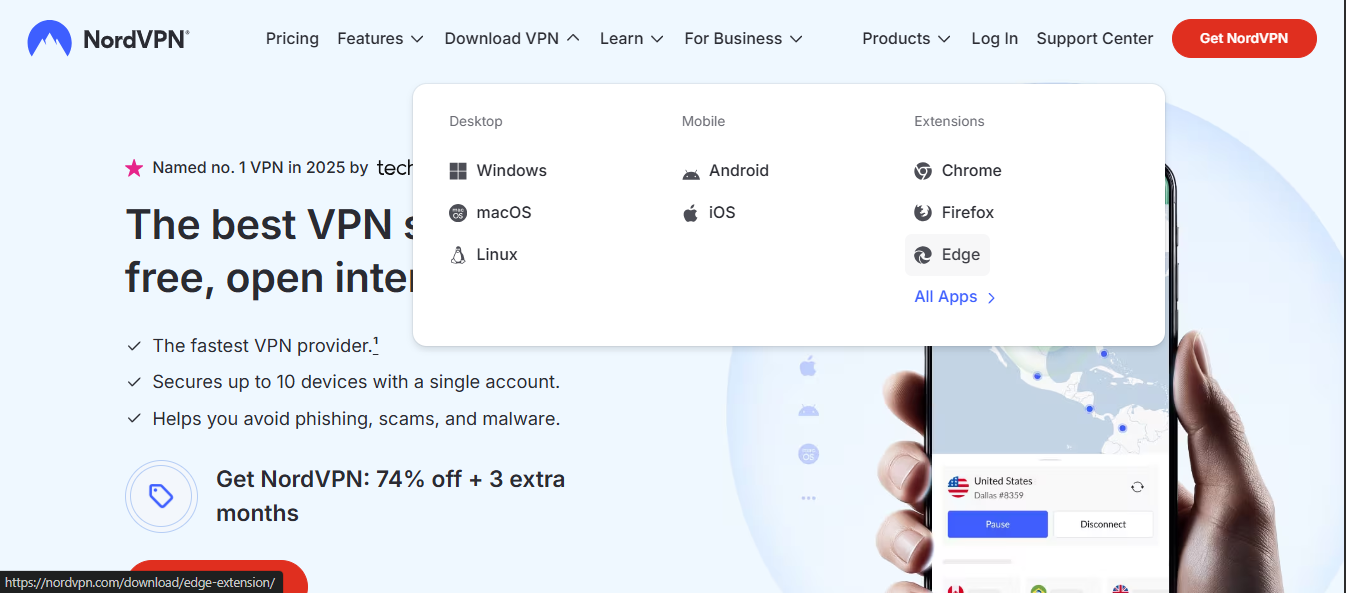
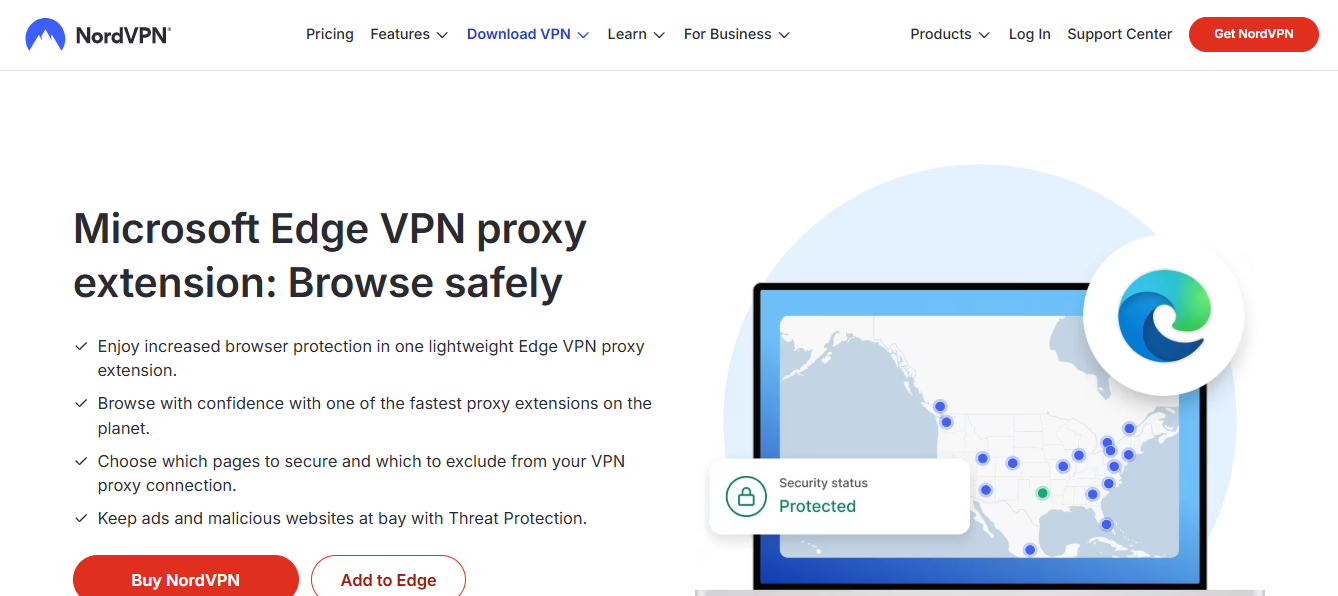
- VPN browser extension Edge-compatible: Some providers offer Edge extensions that can route browser traffic through the VPN. This adds an extra privacy layer for Edge traffic and can be convenient for quick toggling.
- Kill switch and leak protection: A good VPN should offer a kill switch to prevent traffic leaks if the VPN drops. It should also guard against DNS and IPv6 leaks.
How to pair Edge with a VPN:
- Install your VPN app on Windows or macOS and connect to a server of your choice.
- If you’re using a VPN extension for Edge, install it from Edge Add-ons or the provider’s site and sign in.
- Check for DNS leak protection and enable a kill switch in the VPN app to ensure traffic doesn’t leak if the VPN drops.
- Do a quick test at a site like iplocation.net or dnsleaktest.org to confirm your IP shows the VPN server and not your real one.
A note about NordVPN: using the NordVPN app provides full-device protection, and their Edge extension can add an extra layer of privacy for Edge-specific traffic. If you’re considering a premium option, NordVPN’s current deal can be attractive, especially when combined with Edge’s privacy controls. Microsoft edge vpn for Windows 11 and beyond: setup, security, streaming, and comparison of top providers 2026
VPN extensions in Edge can be handy, but they have limitations:
- They only secure traffic that goes through the browser, not the entire OS.
- They can add extension-specific permissions. review those carefully.
- The VPN app often provides more robust kill switches and DNS protection than a browser extension alone.
If you want maximum security with minimal friction, use a trusted VPN app in combination with Edge’s built-in protections, and reserve the browser extension for quick toggling or site-specific privacy controls.
Practical steps to tighten Edge security in 15 minutes
- Step 1: Update Edge and Windows regularly. Automatic updates help patch known security flaws. Check for updates in Settings > About Microsoft Edge and Windows Update.
- Step 2: Turn on Tracking Prevention Balanced or Strict and review cookie settings.
- Step 3: Enable SmartScreen and Password Monitor in Settings > Privacy, search, and services > Security.
- Step 4: Configure Secure DNS DoH and pick a trusted provider.
- Step 5: Manage site permissions Location, Camera, Microphone so sites only get what they truly need.
- Step 6: Set up a VPN app or extension and enable a kill switch if available.
- Step 7: Practice safe browsing habits: avoid clicking suspicious links, keep sensitive data off untrusted sites, and clear data on shared devices.
Edge’s evolution in numbers and safety
- Edge has continued to grow its share in the desktop browser market, driven by strong default privacy protections and tight integration with Windows security features.
- The built-in SmartScreen feature is a key line of defense against phishing, malware, and malicious sites, with a long track record of reducing risky sessions for many users.
- Tracking prevention is a core part of Edge’s privacy strategy, offering tangible reductions in cross-site tracking without sacrificing core functionality.
Quick-start tips for different user types
- For casual users who value privacy but don’t want to tinker: Start with Balanced tracking prevention, enable SmartScreen, and turn on Secure DNS. Use the VPN app for device-wide protection.
- For power users who browse on public networks: Consider Strict tracking prevention, block third-party cookies, enable DoH, and use a VPN with a robust kill switch. Use InPrivate for sensitive sessions occasionally.
- For families or shared devices: Create a local Microsoft account with a strong password, enable InPrivate browsing when needed, and regularly clear browsing data. Use Edge’s site permissions to limit what sites can access on shared devices.
Data-backed best practices you can apply today
- Regularly review site permissions to minimize exposure of microphones, cameras, and location data.
- Always use a secure DNS provider with DNS over HTTPS to reduce snooping on name resolution traffic.
- Keep Edge and its security-related features up to date to benefit from the latest protections.
- Pair Edge improvements with a reputable VPN solution to shield traffic on public networks and to reduce exposure from compromised networks.
Advanced tips for organizations and power users
- Use Edge's security baseline controls in enterprise contexts to enforce consistent privacy and security policies across devices.
- Consider enabling “Block potentially unwanted apps” to reduce risk from shady downloads and add a layer of protection beyond basic browser controls.
- For teams, encourage password hygiene with the built-in password monitor and enforce MFA where possible.
- Regularly review enterprise policy settings related to TLS versions, DoH, and VPN configurations to stay compliant with organizational security standards.
Frequently asked questions Mullvad vpn device limit everything you need to know 2026
Frequently Asked Questions
What are Microsoft Edge security settings?
Microsoft Edge security settings are the collection of built-in options in Edge that protect you from threats online, including SmartScreen, password monitoring, tracking prevention, DoH DNS over HTTPS, and per-site permissions. These controls help you manage privacy, security, and site behavior within the browser.
How do I enable Tracking Prevention in Edge?
Open Edge Settings, go to Privacy, search, and services, and under Tracking prevention, pick Basic, Balanced, or Strict. You can also manage exceptions for specific sites to fine-tune protection.
How can I manage cookies in Edge?
In Settings > Cookies and site data, you can choose to block third-party cookies, allow cookies for specific sites, or clear cookies on exit. This helps reduce cross-site tracking while preserving login states on trusted sites.
How do I enable Secure DNS in Edge?
Go to Settings > Privacy, search, and services > Security and enable Use secure DNS to improve privacy. Choose a provider or set a custom DoH server and save. This encrypts DNS requests, reducing eavesdropping.
Is Defender SmartScreen in Edge effective?
Yes. Defender SmartScreen blocks many phishing and malware sites before you interact with them. Ensure it’s enabled in Settings > Privacy, search, and services > Security.
How do I manage site permissions in Edge?
In Settings > Cookies and site data > Site permissions, set permissions for Location, Camera, Microphone, Notifications, etc. You can block by default and allow only for trusted sites.
Can I use a VPN with Edge?
Yes. You can use a VPN app to protect all traffic or install a VPN extension for Edge to route browser traffic. For best protection, use a full VPN app with a kill switch and DNS protection alongside Edge’s privacy features.
How do I install a VPN extension in Edge?
Open Edge > Extensions > Get extensions from Microsoft Edge Add-ons or Chrome Web Store, if supported by the VPN. Install the extension, sign in, and toggle it on as needed. Remember that an extension protects only browser traffic unless you’re using a system-wide VPN.
How do I test for VPN leaks in Edge?
Visit a site like iplocation.net or dnsleaktest.org and verify that your apparent IP address and DNS origin reflect the VPN server, not your real location. If you see your real IP, recheck the VPN connection or DNS settings.
Is InPrivate browsing really private?
InPrivate browsing prevents Edge from saving history, cookies, and site data for that session on the device. It’s useful for sensitive searches or when using shared devices, but it doesn’t hide your activity from your network or the sites you visit.
Should I disable older security protocols in Edge?
Edge already disables deprecated protocols by default. You should not manually disable modern TLS or other protections unless you’re in a controlled IT environment with a clear reason. Always prioritize current security standards.
How often should I review Edge’s security settings?
If you’re security-conscious, review your settings at least quarterly or after major software updates. When you travel or use new networks, re-check DoH, tracking prevention levels, and VPN status.
What if a site won’t work with Strict tracking prevention?
Some sites rely heavily on third-party trackers for functionality. If a site becomes unusable, consider temporarily lowering Tracking prevention to Balanced, then re-evaluate after a few days. You can customize exceptions for that site.
Can Edge security settings replace a VPN?
No. Edge security settings improve privacy and safety within the browser, but a VPN protects traffic across apps and networks on the device. Use Edge protections in combination with a reputable VPN for comprehensive privacy.
How do I reset Edge to default security settings?
In Edge, go to Settings > Reset Settings > Restore settings to their default values. This resets security-related options but won’t reset installed extensions. It’s a quick way to start fresh if you’ve configured things in ways that degrade usability.
Do VPNs really stop tracking?
VPNs can hide your IP address and encrypt traffic between your device and the VPN server. They don’t make you anonymous, and they don’t block all trackers. For best results, combine a VPN with Edge’s tracking prevention, cookie controls, and SmartScreen, plus good password hygiene.
Can I rely on Edge for complete privacy?
No single tool provides complete privacy. Edge’s settings help minimize tracking and phishing risk, but real privacy comes from layered protections: a reputable VPN, careful browsing habits, strong authentication, and avoiding risky sites.
Conclusion note: We’ve covered how to enable and optimize Microsoft edge security settings, how to pair Edge with a VPN, and how to use a combination of browser-based protections and network-level privacy to stay safer online. If you’re after a practical, plug‑and‑play upgrade, NordVPN’s current offer remains a popular choice for many users looking to tighten up their Edge browsing without sacrificing usability. Don’t forget to review your Edge settings periodically and tailor them to your personal workflow for a smoother, safer internet experience.