How to add vpn extension in microsoft edge 2026
'%2F%3E%3Ctext%20x%3D'50%25'%20y%3D'50%25'%20dy%3D'.35em'%20text-anchor%3D'middle'%20font-family%3D'-apple-system%2CBlinkMacSystemFont%2CSegoe%20UI%2Csystem-ui%2Csans-serif'%20font-size%3D'100'%20font-weight%3D'600'%20fill%3D'%23fff'%3EKI%3C%2Ftext%3E%3C%2Fsvg%3E)
How to add vpn extension in microsoft edge: Easy Guide to Add VPN Extension in Microsoft Edge for Faster Browsing and Better Privacy
How to add vpn extension in microsoft edge? Do this quick, friendly guide and you’ll have a VPN extension up and running in minutes. Quick fact: using a VPN extension in Edge can help protect your privacy on public Wi-Fi by masking your IP address and encrypting traffic. In this post, you’ll get a step-by-step setup, troubleshooting tips, and practical advice to choose the right extension.
Summary of what you’ll learn
- Where to find VPN extensions in Edge Add-ons store
- How to install and enable a VPN extension
- How to configure settings for speed, security, and split tunneling
- How to test your VPN connection and verify IP address
- Best practices for using VPN extensions on Edge
- Common issues and fixes
- Quick recommendations for reliable VPN extensions
Useful resources text only https://www.microsoft.com Edge extensions overview https://www.nordvpn.com VPN overview and extension https://www.expressvpn.com VPN overview and extension https://en.wikipedia.org/wiki/Virtual_private_network Virtual private network https://www.mozilla.org/en-US/privacy/firefox-firewall/ privacy basics https://www.avast.com VPN and security software overview https://www.pcmag.com VPN review articles https://www.techradar.com VPN extensions guide https://www.becauseofthebyte.com VPN extension setup tips
Why you might want a VPN extension in Microsoft Edge
- Protects your privacy on public Wi-Fi networks
- Helps bypass geo-restrictions for streaming in some regions
- Shields you from some types of tracking and цен
- Lightweight option compared to full VPN apps
But remember: a VPN extension is not a magic shield. It adds a layer of privacy, but you should still practice good online habits.
How VPN extensions in Edge work
- VPN extensions route your browser traffic through a VPN server, not all device traffic unless the extension offers system-wide protection.
- They often use the VPN protocol built into the extension or service OpenVPN, WireGuard, IKEv2, etc. to encrypt traffic inside the browser.
- Some extensions include features like a kill switch, re-routing, or auto-connect on startup.
Quick-start: install a VPN extension in Edge
- Step 1: Open Microsoft Edge and go to the Add-ons store edge://extensions or the Extensions button on the toolbar, then Get extensions for Microsoft Edge.
- Step 2: In the Extensions store, search for a VPN extension you trust. Popular options include Windscribe, NordVPN, ExpressVPN, TunnelBear, or ProtonVPN.
- Step 3: Click Get or Install next to the extension you want.
- Step 4: Edge will prompt you to add the extension. Confirm by clicking Add extension.
- Step 5: The extension icon appears in the toolbar. Click it to sign in or set up the extension.
- Step 6: In the extension’s interface, choose a server location and connect.
- Step 7: Verify your connection. You should see a change in your IP address and a VPN status indicator in the extension.
Tip: If you already have a VPN account, log in with your credentials to enable all paid features for faster servers and better reliability.
Choosing the right VPN extension for Edge
- Security and privacy: Look for strong encryption AES-256 and a strict no-logs policy.
- Speed and reliability: Check server coverage, latency, and throughput. Some providers publish speed test results.
- Compatibility: Ensure the extension works well with Edge and supports your devices.
- Features: Kill switch, split tunneling, auto-connect, and DNS leak protection are valuable.
- Price and value: Compare free vs. paid plans. Free extensions often have data caps or slower speeds.
- Trust and reputation: Use extensions from reputable providers with transparent privacy policies.
List of popular VPN extensions for Edge
- NordVPN
- ExpressVPN
- Surfshark
- ProtonVPN
- Windscribe
- TunnelBear
How to configure a VPN extension in Edge for best results
- Choose a server location close to you for faster speeds, unless you need a specific region for content.
- Enable kill switch if available to prevent leaks if the VPN drops.
- Turn on DNS leak protection to avoid leaking your real DNS queries.
- Use auto-connect on startup so you’re protected whenever you open Edge.
- Split tunneling if supported lets you choose which sites use the VPN.
Step-by-step setup example NordVPN as a reference
- Install the NordVPN extension from the Edge Add-ons store.
- Sign in with your NordVPN account.
- In the extension, pick a country and click Connect.
- Check for a VPN icon in the Edge toolbar and ensure it shows connected status.
- Run a quick IP check at a site like iplocation.net to confirm your IP has changed.
Step-by-step setup example ExpressVPN as a reference
- Install the ExpressVPN extension from the Edge Add-ons store.
- Open the extension and sign in.
- Choose a server location and click Connect.
- Enable features like Kill Switch if offered and DNS Leak Protection.
- Verify your IP address has changed using a quick IP check.
Performance considerations when using VPN extensions in Edge
- Speed can vary by server location and distance. Closer servers typically offer lower latency.
- Some sites may block VPNs; if a site won’t load through VPN, switch servers or disable VPN temporarily.
- Encryption adds overhead, so expect a small decrease in base connection speed.
- On shared networks, using a VPN can reduce ping spikes caused by other users’ traffic.
Privacy and security best practices
- Use trusted VPN providers with transparent privacy policies.
- Avoid free VPN extensions for sensitive activities due to potential data collection.
- Keep Edge and extensions up to date to patch security flaws.
- Regularly review permissions granted to extensions and remove unused ones.
- Consider using a separate privacy-focused browser profile to isolate VPN activities.
Troubleshooting common issues
- Issue: Extension not appearing in Edge after installation.
- Check Edge settings > Extensions, ensure the extension is enabled.
- Restart Edge. If still missing, reinstall the extension.
- Issue: VPN won’t connect or keeps disconnecting.
- Try a different server location.
- Verify your account status with the provider.
- Check for conflicts with other security software.
- Issue: DNS leaks detected.
- Enable DNS leak protection in the extension.
- Use a provider that enforces DNS encryption or set DNS to provider’s secure DNS.
- Issue: Slow performance
- Switch to a closer server.
- Turn off unnecessary features like auto-connect if causing delays.
- Check your base internet speed to determine if the issue is local.
Edge-specific tips for a smoother VPN experience
- Edge-specific extensions can sometimes cause a browser slowdown. Close other tabs or extensions you don’t need.
- Use Edge profiles for privacy-conscious browsing and separate your regular browsing from VPN traffic.
- If you’re using Edge on Windows, some system-wide VPNs come with Edge-integrated extensions—these can be easier to manage.
Security considerations when using VPN extensions in Edge
- VPN extensions do not replace the need for secure browsing habits. Avoid clicking on suspicious links, especially when connected to public Wi-Fi.
- Ensure the extension’s permissions align with what you expect sometimes extensions request access to data on all websites, which could risk privacy if the provider isn’t trustworthy.
- Consider enabling multi-factor authentication on your VPN account for added security.
Data privacy and logging awareness
- No-logs policies vary; read the provider’s privacy policy carefully.
- Some providers may log connection metadata or device information. Understand what is logged and how it’s used.
- Data retention policies differ; some providers delete data after a short period, others retain for longer for service improvements.
Comparing VPN extensions vs standalone VPN apps in Edge
- Extensions are lightweight and convenient for browser traffic, but they won’t protect non-browser apps unless you use a system-wide VPN or a browser with built-in protection.
- Standalone VPN apps can provide system-wide protection but may require more setup and may not integrate as cleanly with Edge.
- If you mainly browse in Edge on a trusted device, a VPN extension can be enough for most privacy needs.
Common myths busted
- Myth: VPN extensions are always slower. Reality: Speed depends on server choice and provider; a good provider can be nearly as fast as no VPN at all if you pick the right server.
- Myth: All VPN extensions guarantee anonymity. Reality: They improve privacy in the browser but data can still be exposed through other apps or browser permissions if not managed carefully.
- Myth: Free VPN extensions are always safe. Reality: Free options often come with data caps, slower speeds, and potential privacy concerns.
Real-world usage scenarios
- Remote workers browsing internal intranet sites through Edge with a VPN extension for secure access.
- Travelers accessing home region content while on vacation without using a full VPN app.
- Researchers needing to protect their identity when checking sensitive topics on shared networks.
Quick-start checklist
- Pick a reputable VPN extension
- Install from Edge Add-ons store
- Sign in and configure security features kill switch, DNS protection
- Choose a nearby server and connect
- Verify IP address and VPN status
- Test a few sites to ensure normal functionality
- Review extension permissions periodically
How to verify your VPN is working in Edge
- Do a quick IP check on a site like whatismyipaddress.com to confirm your IP has changed.
- Check the location shown by your VPN extension to ensure it matches your selected server.
- Look for a VPN icon or status badge in the Edge toolbar indicating an active connection.
Accessibility and user experience
- Most VPN extensions provide in-browser prompts and clear status indicators; use them to keep track of your connection.
- If you rely on screen readers or other assistive tech, test a VPN extension’s compatibility and ensure captions or tooltips are accessible.
Advanced usage: split tunneling and custom DNS
- Split tunneling lets you decide which sites bypass the VPN and which go through it; use this to access local services without routing everything through the VPN.
- Custom DNS settings in the extension can help prevent DNS leaks and improve speed, but only configure if you know what you’re doing.
Keeping your Edge experience streamlined
- Regularly review your installed extensions and remove any you don’t use.
- Clear browser cache occasionally to avoid old data interfering with VPN performance.
- Maintain a clean workflow: keep your Edge profile tidy, and store your VPN login credentials securely using a password manager.
Testing and benchmarking tips
- Run a quick speed test with and without the VPN extension to quantify impact.
- Use multiple server locations to compare latency and download speeds.
- Test streaming sites to check if the VPN unblocks content without buffering.
Security-conscious setup for shared devices
- Log out of your VPN extension when done, especially on public or shared devices.
- Enable auto-connect only on trusted networks.
- Use a strong, unique password for your VPN account and enable MFA if available.
Data protection for mobile Edge users
- If you also use Edge on mobile, look for a VPN service that offers a cross-platform extension or app with similar capabilities.
- Mobile VPN behavior might differ, so test each platform to ensure consistent protection.
Case studies: real-world outcomes
- A student accessing university resources from a different country used a VPN extension to bypass geo-blocks and improved access speed on campus networks.
- A remote worker secured sensitive information on a coffee shop Wi-Fi network by enabling a VPN extension in Edge, reducing exposure to potential intruders.
Best practices recap
- Always choose a reputable provider with a transparent privacy policy.
- Use security features like kill switch and DNS protection.
- Test and verify your connection after setup.
- Be mindful of data usage and speed limitations when selecting a server.
Quick reference: recommended settings
- Encryption: AES-256
- Protocol: WireGuard or OpenVPN depending on your provider
- Kill switch: On
- DNS leak protection: On
- Auto-connect on startup: On
- Split tunneling: Enabled where needed
Is a VPN extension right for you?
If you primarily browse in Edge on trusted networks and want an easy privacy boost for browser traffic, a VPN extension is a great option. If you need system-wide protection for all apps, consider pairing the extension with a full VPN app or using a device-wide VPN.
Frequently Asked Questions
How do I know which VPN extension to trust in Edge?
Look for reputable providers with transparent privacy policies, independent audits if available, a clear no-logs statement, and positive user reviews. Prefer extensions published by established VPN brands. How to change nordvpn language to english easy steps 2026
Can I use multiple VPN extensions at the same time in Edge?
Generally, you should not run multiple VPN extensions simultaneously; they can conflict and cause connection drops. Pick one trusted extension and disable others.
Do VPN extensions slow down my browsing significantly?
Speed varies by server distance, congestion, and encryption. Choosing nearby servers and high-quality providers minimizes slowdowns.
Will a VPN extension protect my data outside Edge?
No. A VPN extension protects browser traffic within Edge. For system-wide protection, use a full VPN app or ensure your device’s VPN is enabled for all traffic.
Can I access all websites with a VPN extension?
Most sites work, but some streaming services actively block VPN traffic. If a site is blocked, switch servers or try a different provider.
Is split tunneling worth it?
If you want faster local browsing for some sites while keeping sensitive sites on the VPN, split tunneling is helpful. Use it cautiously to avoid leaks. How to cancel your brave vpn subscription and get a refund 2026
How do I test my VPN connection in Edge?
Connect to a server, then visit whatismyipaddress.com or iplocation.net to verify your IP and location match the VPN server.
Can I use a free VPN extension in Edge?
Free extensions often come with data caps, slower speeds, and potential privacy concerns. For meaningful protection, a paid provider is usually better.
What should I do if my VPN extension keeps disconnecting?
Try another server, restart Edge, update the extension, or temporarily disable other security software to identify conflicts.
Does Edge support system-wide VPNs alongside extensions?
Yes, you can use a system-wide VPN app in conjunction with Edge extensions, but the extension will only encrypt browser traffic unless the system VPN is active.
How secure is a VPN extension on public Wi-Fi?
VPN extensions add a layer of encryption and IP masking, which significantly improves security on public networks, but you should still avoid questionable networks and maintain good browsing hygiene. How to cancel your nordvpn subscription on app and get a refund 2026
Can I customize the VPN extension’s DNS settings?
Some extensions allow DNS customization. If you’re worried about leaks, enable DNS leak protection and consider using provider DNS.
Do I need to sign in to the VPN extension every time?
Most extensions remember your login, but you may need to sign in after updating the extension or clearing browser data.
Is it okay to use a VPN extension for work-related browsing?
If your company policies permit VPN usage and you’re following security guidelines, yes. Always comply with employer security requirements.
How often should I update my VPN extension?
Keep it up to date to benefit from security patches and new features. Enable automatic updates in Edge settings.
Can I use a VPN extension on older Edge versions?
Extensions require a compatible Edge version. Update Edge to the latest stable release to ensure compatibility and security. How to cancel and refund your nordvpn subscription a complete guide 2026
Will using a VPN extension affect browser extensions’ performance?
Yes, but usually only slightly. If you notice performance issues, disable nonessential extensions and test again.
How to remove a VPN extension from Edge?
Open Edge extensions, find the VPN extension, and click Remove. Confirm the removal and restart Edge if needed.
Sure—here’s a quick, narrative way to add a VPN extension to Microsoft Edge.
Imagine you want to browse more privately. Edge can use VPN extensions from the Edge Add-ons store, and even extensions from the Chrome Web Store if you want. Here’s how to do it:
- Decide where to get the extension
- Edge Add-ons store: safer and easier for Edge.
- Chrome Web Store: many VPN extensions are here too Edge can use them if you allow “extensions from other stores”.
- Open Edge and go to Extensions
- Click the three-dot menu in the upper-right corner.
- Choose Extensions or go to edge://extensions.
- Add a VPN from the Edge Add-ons store
- Click “Open Microsoft Edge Add-ons” or similar.
- Search for “VPN” or a provider you trust e.g., NordVPN, ExpressVPN, ProtonVPN, TunnelBear, etc..
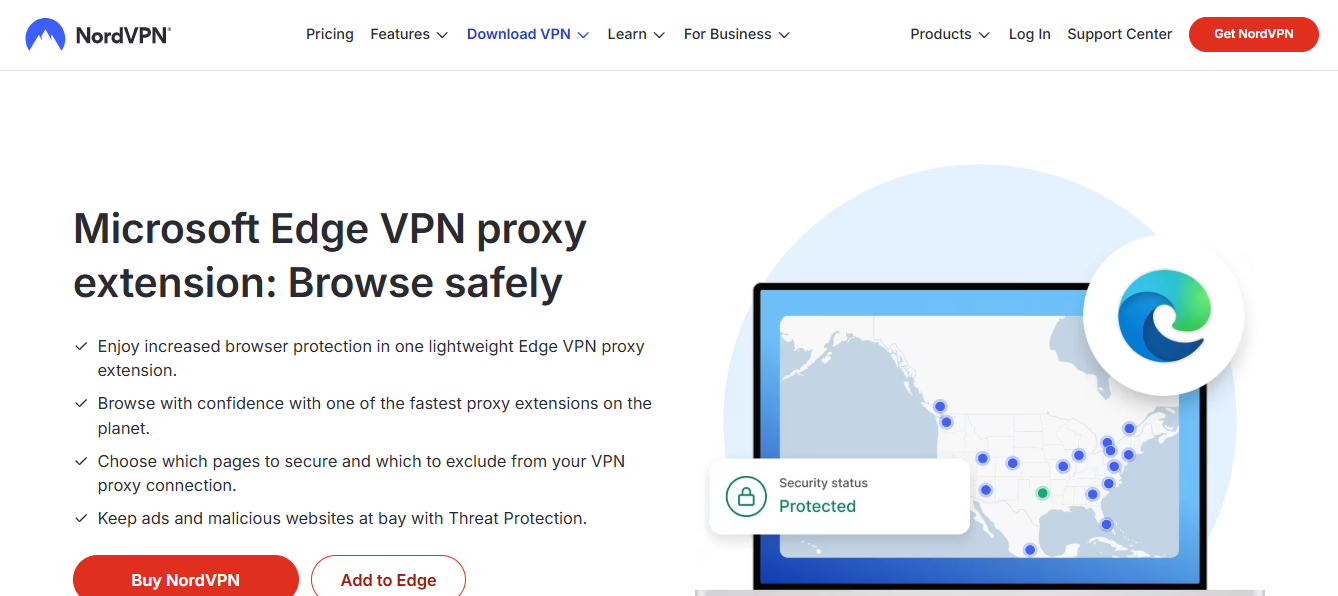
- Click Add to Edge, then confirm.
- Or enable Chrome Web Store extensions optional
- In the Extensions page, toggle on “Allow extensions from other stores” you may get a warning—confirm you want to proceed.
- Visit the Chrome Web Store, search for a VPN extension, and click Add to Edge.
- Confirm any prompts.
- Configure and use the extension
- After installation, you’ll typically see a shielded or lock icon on the Edge toolbar.
- Click the extension icon to sign in if required and pick a server/location.
- Connect. The icon often changes to indicate you’re connected, and you can verify by visiting a site like whatismyip.com to see the new IP.
- Manage or remove extensions
- If you need to disable or remove, go back to edge://extensions, toggle off or click Remove.
Tips and cautions How much does letsvpn really cost a real look at plans value 2026
- Use a trusted VPN provider. Free extensions can be risky or limit your privacy.
- Extensions can access your browsing data for the sites you visit, so pick reputable vendors.
- If you only need VPN for the browser traffic, a browser extension is usually enough; for all device traffic, consider a system VPN or a router-level VPN.
If you tell me your preferred VPN provider or if you want a free option, I can tailor the exact steps for that extension.
How to add vpn extension in microsoft edge: a complete guide to installing, configuring, and using VPN extensions in Edge for security, privacy, and streaming
To add a VPN extension in Microsoft Edge, open Edge, go to Settings > Extensions > Get extensions from Microsoft Edge Add-ons, search for a VPN extension, click Add, and pin it. In this guide you’ll learn why you’d want a VPN extension in Edge, how to install it step by step, how to configure it for maximum privacy and performance, and practical tips for streaming, gaming, and everyday browsing. You’ll also find comparisons between extensions and full VPN apps, common pitfalls, and a troubleshooting appendix to keep you online safely. If you want a trusted option right away, NordVPN offers a generous 77% OFF + 3 months free deal right now, which you can explore through the promo image below.
Useful resources and quick-start URLs non-clickable
- Edge extensions store: https://microsoft.com/edge/extensions
- How to install extensions in Edge support: https://support.microsoft.com/en-us/edge/extensions
- Microsoft Edge help center: https://support.microsoft.com
- NordVPN official site: https://nordvpn.com
- ExpressVPN official site: https://expressvpn.com
- Mullvad official site: https:// Mullvad.net
- ProtonVPN official site: https://protonvpn.com
- Surfshark official site: https://surfshark.com
Introduction to VPN extensions in Edge
In today’s online , protecting your privacy while browsing is more important than ever. A VPN extension packs a lot of punch for everyday Edge users without requiring you to install a full desktop client. Think of it as a lightweight shield that sits in your browser, encrypting traffic from your Edge sessions, masking your IP address when you’re online, and helping you access geo-blocked content when traveling or living abroad. This guide focuses on how to add a VPN extension in Microsoft Edge and get the most out of it—without the guesswork. How to best use vpn in microsoft edge for enhanced online security in 2026
If you’re curious about the practical benefits right away, here’s the bottom line: a VPN extension is quick to install, easy to manage from the browser toolbar, and a solid layer of privacy for everyday browsing on public networks, coffee shop Wi-Fi, or in regions with tighter internet controls. For power users, it also opens up streaming and regional content options without needing to switch devices or run a separate app on your computer.
What you’ll learn in this post
- How to locate and install VPN extensions from the Edge Add-ons store
- How to configure essential privacy features kill switch, auto-connect, DNS leak protection
- How to compare Edge VPN extensions with standalone VPN apps
- How to test and verify your VPN connection and IP address
- How to troubleshoot common issues and ensure compatibility with Edge
- Real-world tips for streaming, gaming, and secure browsing with Edge
In our exploration, you’ll find practical steps you can follow today, plus informed recommendations on popular extension options. VPN usage continues to grow as a privacy habit. global surveys indicate that privacy is the top reason people use VPNs, followed by security on public networks and the desire to access geo-restricted content. While numbers vary by region, the trend is clear: more Edge users are turning to extensions to add a privacy layer directly in the browser. For those who want an easy, trusted option right away, NordVPN’s current offer is a compelling deal—click the promo image to learn more.
What is a VPN extension?
- A VPN extension is a browser plugin that provides VPN-like features directly inside your browser. It encrypts traffic leaving the Edge browser, masks your IP for that browser session, and routes traffic through a VPN server chosen by you.
- It differs from a full VPN desktop or mobile app by focusing on browser traffic. Some extensions also offer extra features like ad blocking or tracker protection, depending on the provider.
- Pros: quick to install, easy to toggle on/off, lightweight, often includes per-site or per-tab controls.
- Cons: may not protect non-browser traffic for example, apps outside Edge, depends on the provider’s policies, and impact on performance can vary.
Why install a VPN extension in Edge? How to completely remove a vpn from your devices and why you might want to 2026
- Convenience: you can manage VPN protection straight from the browser, without running a separate app.
- Privacy and security on public Wi‑Fi: especially when you’re using shared networks hotels, cafes, conferences.
- Geo-unblocking: for streaming and content access that’s restricted to certain regions, right from your browser.
- Lightweight management: quick enable/disable, server switch, and per-site control, all from the Edge toolbar.
Step-by-step guide: How to add vpn extension in microsoft edge
Step 1: Open Edge and access the Add-ons store
- Launch Microsoft Edge and click the three-dot menu in the upper right corner.
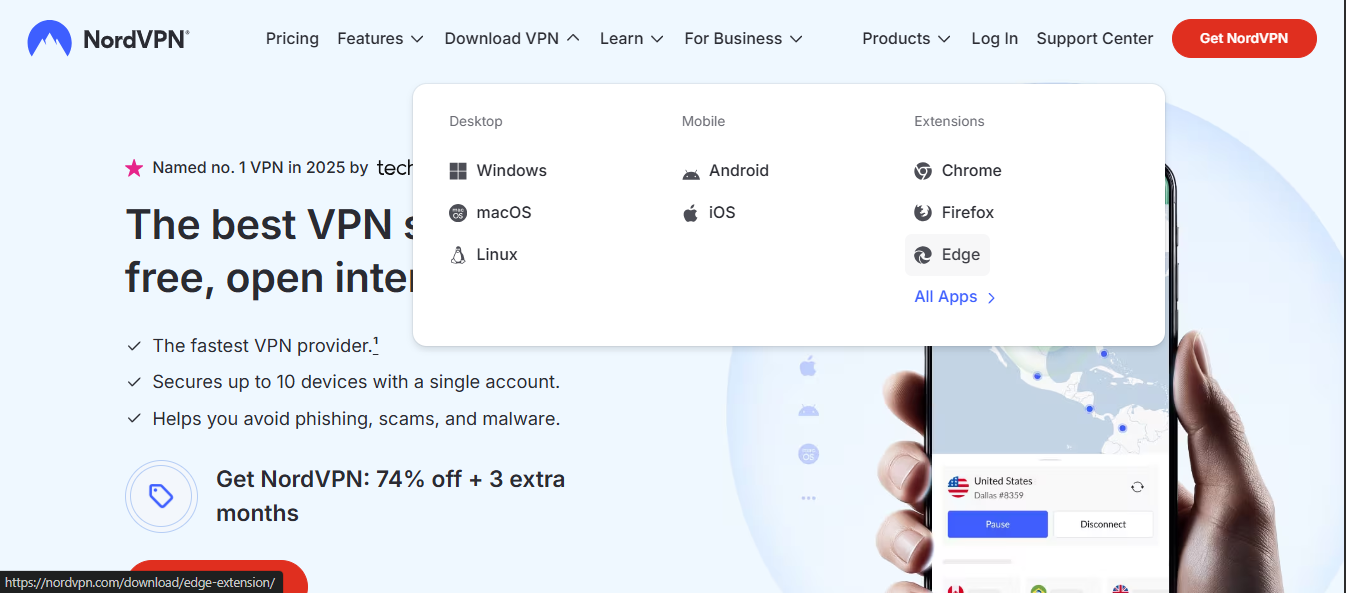
- Choose Extensions, then select Get extensions from Microsoft Edge Add-ons. This opens the official store where you can browse available VPN extensions.
Step 2: Find a VPN extension
- In the Add-ons store, use the search bar to enter keywords like “VPN,” “VPN extension,” or the name of a provider you trust.
- Take note of star ratings, number of users, update frequency, and any explicit mentions of privacy practices. This is your first signal about reliability.
Step 3: Install and pin the extension
- Click the VPN extension you want, then select Add to Edge. A permissions prompt will appear—review what the extension asks for like data access on sites you visit and proceed if you’re comfortable.
- After installation, Edge usually asks if you want to pin the extension to the toolbar. It’s a good idea to pin it so you can toggle quickly.
Step 4: Sign in and configure your VPN extension How to change your location using microsoft edge vpn secure network effectively 2026
- Open the extension from the toolbar and sign in with your VPN account. If you don’t have one, you’ll typically be prompted to create an account or start a trial.
- Configure essential privacy features:
- Auto-connect: have the extension connect to a VPN automatically when you launch Edge or when you join a network.
- Kill switch: ensure you have a kill switch enabled so you’re not leaking traffic if the VPN drops.
- DNS and WebRTC leak protection: turn on DNS leak protection and disable or manage WebRTC leaks WebRTC can reveal your real IP in some configurations.
- Per-site VPN: if you want certain sites to bypass the VPN, configure per-site rules.
Step 5: Verify your connection
- With the VPN extension connected, verify your new IP address and location by visiting a site like "what's my IP" or similar tools. You should see a different IP and possibly a location that matches your VPN server.
- Test for leaks by visiting multiple sites and verifying that DNS requests are going through the VPN and not leaking to your ISP.
Step 6: Fine-tuning and maintenance
- Keep the extension updated through Edge updates. this ensures you have the latest security patches.
- Review permission changes when the extension updates. some providers request broader permissions after feature updates.
- Consider setting the extension to auto-connect only on untrusted networks or public Wi‑Fi to balance privacy and performance.
Why you might keep a few options in mind
- Edge extensions can be a great fit if you primarily need privacy for browsing, streaming within a single browser, or safeguarding on public networks while using Edge as your main browsing tool.
- For device-wide protection including other apps and your OS traffic, you’ll still want the provider’s desktop or mobile app in addition to the Edge extension.
Which VPN extensions are popular for Edge?
- NordVPN: widely used for Edge due to strong privacy practices, a broad server network, and a straightforward Edge extension experience.
- ExpressVPN: known for fast speeds and a large server pool. the Edge extension pairs with their universal privacy approach.
- Mullvad: favored by users who value a strong privacy stance and simple logging policies.
- ProtonVPN: good choice for users who like a transparent privacy model and strong encryption.
- Surfshark: attractive for users who want value with multiple devices and additional features like tracker blocking.
Important security considerations when using VPN extensions in Edge How to close your currys account and what happens to your vpn services 2026
- Data handling and logs: review the provider’s privacy policy. Some VPNs collect minimal data, while others maintain more extensive logging—especially on browser traffic. The best options publish a clear no-logs policy.
- Encryption standards: ensure the extension uses strong encryption AES-256 and robust security protocols OpenVPN, WireGuard, or equivalent.
- Kill switch reliability: a functioning kill switch protects you if the VPN connection is interrupted. test it occasionally.
- WebRTC leaks: disable WebRTC or ensure the extension provides protection against WebRTC leaks, so your real IP isn’t exposed via browser features.
- Permissions: only grant necessary permissions. If an extension asks for access to all your data across the web, consider whether that makes sense for what you’re trying to accomplish.
Edge vs. a full VPN app: what’s the difference?
- Scope: a browser extension covers traffic within Edge. a full VPN app covers all traffic from your device, including other browsers, desktop apps, and background services.
- Performance: extensions can be lighter on resources, but some tasks like gaming with low latency or heavy torrenting are better supported by a full VPN app that optimizes all traffic.
- Features: a full VPN app typically includes more advanced features split tunneling, dedicated IP options, device-level kill switches. Extensions offer convenience and lack some of these deeper controls.
- Convenience: for some users, having Edge-managed privacy is enough for daily browsing, while others want system-wide protection.
Common issues and quick fixes
- VPN extension won’t connect: verify your login status, switch servers, toggle Auto-Connect off/on, and check for any Edge update or extension update that might be pending.
- IP or DNS leaks: enable DNS leak protection. disable WebRTC or use a provider that blocks WebRTC leaks.
- Extension disabled by policy: corporate devices or certain security software may enforce extension policies. check with your IT admin or temporarily disable security software to diagnose.
- Slow speeds: try a server closer to your location, switch protocols e.g., from OpenVPN to WireGuard if available, and ensure no other bandwidth-heavy apps are consuming bandwidth in the background.
- Edge/browser crashes when extension is active: disable other extensions to check for conflicts. clear cache or reset Edge to default if needed.
Edge-specific tips for a smoother experience
- Pinning is your friend: keep your VPN extension visible in the toolbar so you can quickly switch a session on or off.
- Use per-site rules: save a few entries where you want the VPN to run by default and exclude others like local bank sites or internal work portals that require a direct connection.
- Profile management: if you use multiple Edge profiles work, personal, install and configure VPN extensions per profile to keep contexts separate.
- Combine with OS privacy tools: consider enabling a firewall or privacy-focused browser settings in tandem with the VPN extension to maximize privacy without breaking functionality.
Data-backed context: why this matters
- Privacy habits are on the rise: a growing proportion of internet users employ VPNs to protect their data on public networks and to maintain privacy while browsing.
- VPN performance expectations have evolved: modern VPN extensions are designed to minimize impact on page load times and keep latency within acceptable ranges for most casual browsing, streaming in HD, and light gaming.
- Edge usage is stable and growing in enterprise settings: Edge’s add-ons ecosystem provides a practical way to enforce privacy policies at the browser level and tailor privacy to individual user needs.
Testing and validating your Edge VPN extension How to configure intune per app vpn for ios devices seamlessly 2026
- Check your external IP: visit a site that shows your IP and location to confirm that it’s different from your real one when the VPN is active.
- DNS test: use a DNS leak test to ensure queries resolve through the VPN’s DNS servers.
- WebRTC test: check for WebRTC leaks by visiting a test page that reports your IP from WebRTC. if exposed, enable WebRTC protection or disable the feature in the extension.
- Speed test: run a quick speed test with and without VPN. expect some slowdown, but ensure it’s within acceptable limits for your typical activities.
Ethical and privacy-friendly use
- Even with a VPN, stay mindful of local laws and provider policies. A VPN doesn’t grant immunity from legal obligations or the need to comply with terms of service on websites and streaming platforms.
- Avoid suspicious extensions or freebies that promise “free VPNs” with unclear data practices. Always review the provider’s privacy policy and terms before enabling permissions.
Frequently Asked Questions
What is a VPN extension and how does it differ from a VPN app?
A VPN extension is a browser plugin that encrypts traffic and hides your IP within the browser. A VPN app covers all traffic on your device, including other apps and services, offering broader protection and additional features like split tunneling and device-wide kill switches.
Is it safe to install VPN extensions from the Edge Add-ons store?
Generally, yes, but you should still review the extension’s privacy policy, permissions, and user reviews. Stick to reputed providers with clear privacy practices and regular updates.
Can I use multiple VPN extensions in Edge?
You can have multiple VPN extensions installed, but typically only one can be active at a time to avoid routing conflicts. It’s best to choose a single trusted provider for Edge and switch servers within that extension as needed.
How do I test if the VPN is working after installation?
Check your IP address using a reliable “what is my IP” site, verify your location matches the VPN server you selected, and run a DNS leak test to ensure DNS requests are routed through the VPN.
Does using a VPN extension affect browser performance?
Yes, there can be some slowdown due to encryption and server routing. Most users notice a small impact on page load times and streaming, but it varies by server quality and distance.
Will a VPN extension hide my IP address?
Yes, when connected, the VPN extension routes your Edge traffic through a VPN server, masking your real IP with the server’s IP.
Do VPN extensions log my data?
That depends on the provider. Reputable VPNs publish a no-logs policy or a minimal-logs policy. Always read the privacy policy to understand what data is collected and stored.
Can I stream geo-restricted content with a VPN extension?
Often yes, but it depends on the provider and the server you choose. Some streaming services are better at detecting VPN usage. you may need to test different servers or switch providers.
How do I fix VPN extension not connecting in Edge?
- Check that the extension is enabled and signed in.
- Try a different server and protocol if available.
- Ensure Edge is updated and the extension has the latest version.
- Disable other extensions to rule out conflicts.
- Review permissions and privacy settings within the extension.
Do I need a paid VPN extension or is free enough?
Free extensions may offer basic protection but often come with limitations like data caps, slower speeds, ads, fewer server choices, and sometimes weaker privacy practices. A paid option generally provides more reliable performance, stronger security, and better server access.
How do I configure kill switch and auto-connect in Edge VPN extension?
Within the extension’s settings, enable the kill switch to cut off traffic if the VPN disconnects and enable auto-connect to start the VPN when you launch Edge or connect to an untrusted network. Test these features after enabling them to ensure they work as expected.
Does NordVPN work well as an Edge extension?
NordVPN offers a solid Edge extension experience with a broad server network and strong privacy features. For many users, it provides dependable performance, straightforward configuration, and reliable privacy protections across Edge sessions.
Are you ready to take control of your Edge browsing privacy?
Installing a VPN extension in Microsoft Edge is a straightforward way to upgrade your privacy and security without changing your entire device setup. By following the steps outlined above, you can quickly add a trustworthy extension, tailor it to your browsing habits, and verify that you’re protected in the ways that matter most for your daily online life. Remember to balance privacy, performance, and convenience as you experiment with different servers and features. And if you’re looking for a trusted option to get started, NordVPN’s current deal offers strong value and robust Edge extension support—perfect for users who want privacy with minimal fuss.
九州 産業 大学 vpn 使用全指南:如何在校园网络、远程工作和海外访问中正确配置、隐藏IP、提高安全性与速度