Edge vpn download free: a comprehensive guide to Edge Secure Network and VPN extensions for the Edge browser in 2026
'%2F%3E%3Ctext%20x%3D'50%25'%20y%3D'50%25'%20dy%3D'.35em'%20text-anchor%3D'middle'%20font-family%3D'-apple-system%2CBlinkMacSystemFont%2CSegoe%20UI%2Csystem-ui%2Csans-serif'%20font-size%3D'100'%20font-weight%3D'600'%20fill%3D'%23fff'%3ENA%3C%2Ftext%3E%3C%2Fsvg%3E)
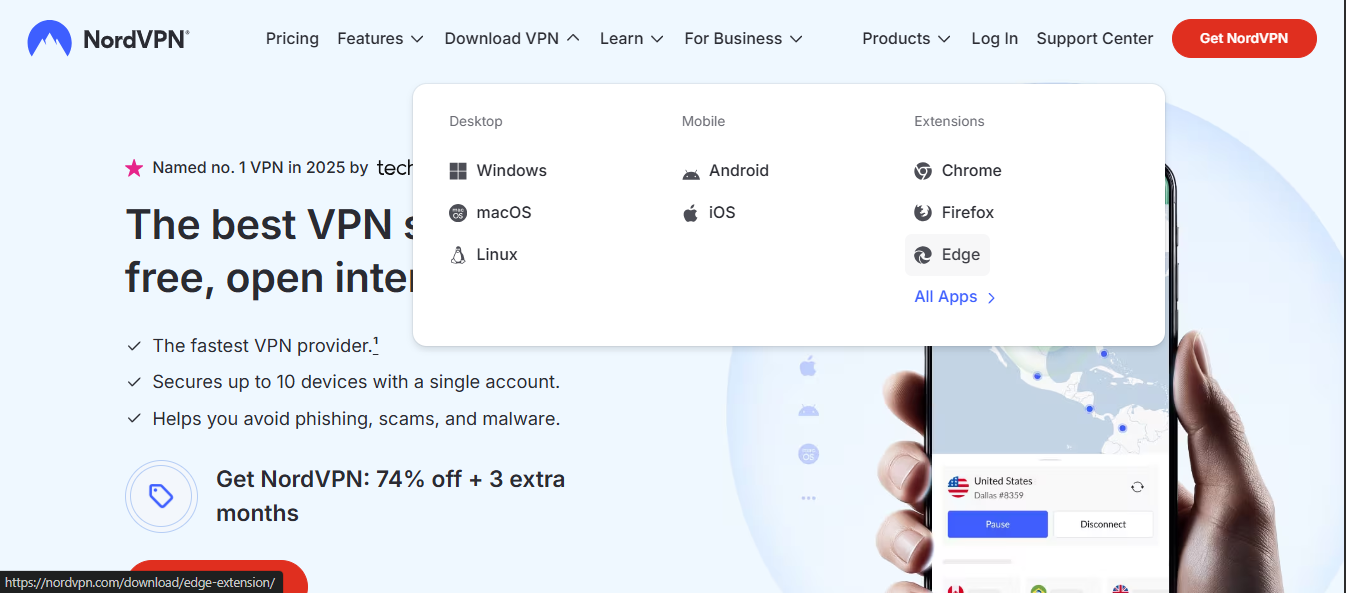
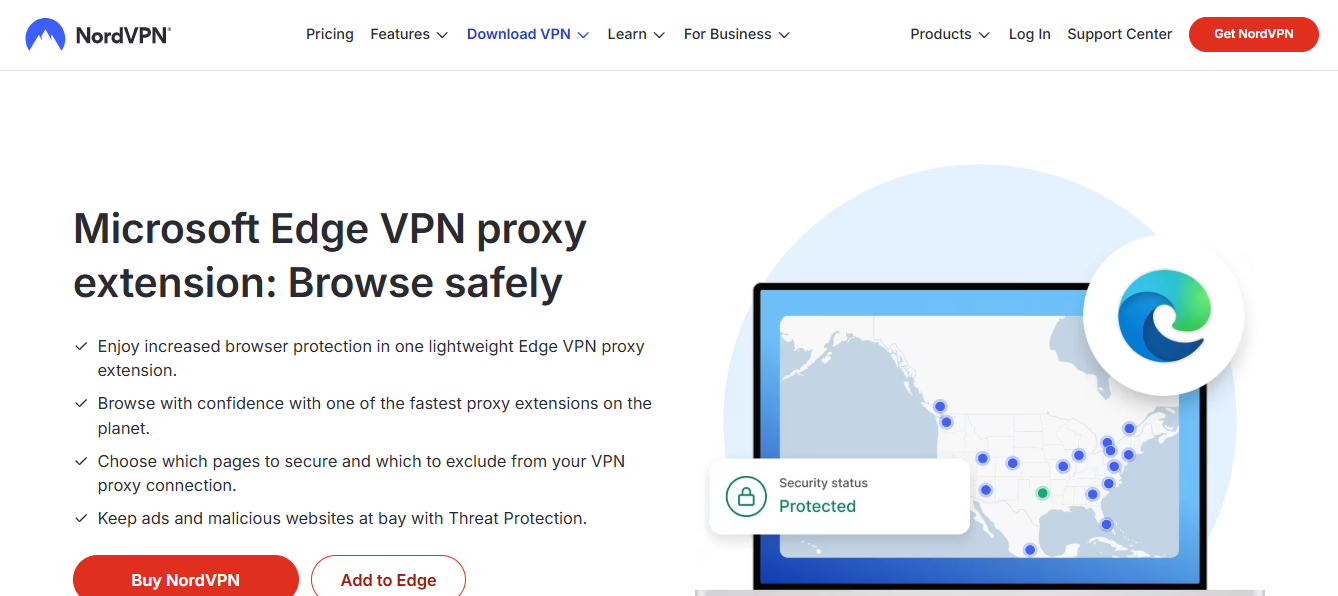
Edge vpn download free a comprehensive guide to edge secure network and vpn extensions for the edge browser in 2025 is all about helping you understand how to keep your browsing private, secure, and fast using the Edge browser. Here’s a practical, down-to-earth guide that covers what Edge VPNs and extensions do, how to choose them, setup steps, and common pitfalls. This post blends quick facts, real-world tips, checklists, and a bit of nerdy tech insight so you can make smart choices without feeling overwhelmed.
Quick fact: A good VPN extension for Edge can protect you on public Wi-Fi, hide your IP from trackers, and help you bypass regional content restrictions, all while staying fast and user-friendly.
In this guide you’ll find:
- A clear explanation of Edge VPNs, how they work, and why you might want one
- A comparison of free vs paid VPN extensions for Edge
- Step-by-step setup instructions for popular options
- Security considerations, privacy policies to read, and data leakage checks
- Real-world testing tips to measure speed and reliability
- A handy FAQ section with practical answers
Table of contents
- What is an Edge VPN and why it matters
- Understanding Edge VPN extensions
- Free vs paid Edge VPN extensions: pros and cons
- How to pick the right Edge VPN extension
- Step-by-step: installing an Edge VPN extension
- Testing your VPN in Edge: speed, leaks, and reliability
- Edge security best practices beyond VPNs
- Common Edge VPN pitfalls and how to avoid them
- Frequently asked questions
What is an Edge VPN and why it matters
- A VPN virtual private network creates a secure, encrypted tunnel between your device and a VPN server. In practice, that means your internet traffic is scrambled from prying eyes on public networks, and your apparent IP address changes to the server’s IP.
- Edge VPNs are VPN services that offer compatible extensions or built-in features within Microsoft Edge. They’re designed to be easy to use directly in the browser, without needing separate apps on desktop in some cases.
- Why you’d want one: protect sensitive data on public networks coffee shops, airports, hide trackers from advertisers, circumvent geo-restrictions for streaming or research, and add an extra layer of privacy when you’re not on a trusted network.
Understanding Edge VPN extensions
- Edge extensions for VPNs typically provide:
- One-click connection to a VPN server
- A quick status indicator connected or disconnected
- Server location options and sometimes streaming-optimized servers
- Basic kill-switch functionality prevent traffic if the VPN drops, though this varies by extension
- Not all VPNs offer Edge-native extensions; some require a separate app with browser integration. If you value simplicity, prioritize extensions with good reviews and clear privacy policies.
- Remember: an extension’s capability is limited by the VPN service itself. A flashy extension won’t compensate for a weak VPN when it comes to privacy protections or logging practices.
Free vs paid Edge VPN extensions: pros and cons
- Free extensions
- Pros: zero upfront cost, quick to try, good for light browsing
- Cons: limited servers, slower speeds, data caps, potential ads, weaker privacy protections, and sometimes questionable logging policies
- Paid extensions
- Pros: more server locations, higher speeds, no data caps, better privacy commitments, 24/7 support, advanced features like kill switch, split tunneling, and multi-device support
- Cons: monthly or yearly cost
- Practical takeaway: for regular use, especially on sensitive networks, a reputable paid VPN with a trustworthy privacy policy is usually worth it. For casual testing or limited use, a reputable free option with clear privacy terms can be acceptable.
How to pick the right Edge VPN extension
- Privacy policy and logging: look for a clear zero-logs claim, details about what data is collected, and how long it’s stored.
- Jurisdiction: consider where the VPN company is based; some countries require data retention, others do not.
- Speed and bandwidth: check independent tests or user reports about speed on Edge with the extension you’re considering.
- Server locations: more locations mean more options for bypassing geo-restrictions and finding fast servers.
- Security features: a kill switch, leak protection DNS/IP, and protocol options WireGuard, OpenVPN, etc. are important.
- Usability: a clean interface, easy server switching, and reliable connection behavior matter for day-to-day use.
- Platform support: ensure the VPN extension works smoothly with Edge on your OS Windows, macOS, Linux, etc. and any other devices you use.
- Customer support and reviews: look for responsive support and recent user reviews that mention reliability and privacy.
Step-by-step: installing an Edge VPN extension
- Decide on a VPN service free or paid with a reputable Edge extension.
- Open Microsoft Edge and go to the Edge Add-ons store.
- Search for your chosen VPN extension by name.
- Click Add to Edge and then confirm the extension permissions.
- After installation, open the extension from the toolbar.
- Sign in with your VPN account or create one if needed.
- Choose a server location and click Connect.
- Verify you’re connected by checking the extension’s status and, if possible, a separate IP check from a site like whatismyipaddress.com.
- Optional Enable security features such as the kill switch and DNS leak protection in the extension’s settings.
- Test a few websites to ensure everything loads correctly and that your connection is stable.
How to test your VPN in Edge: speed, leaks, and reliability
- Speed tests: run a baseline speed test without the VPN, then test with the VPN connected to a few different servers nearby, far away. Compare results to ensure you’re not losing a disproportionate amount of speed.
- DNS and IP leaks: use online tools to confirm your real IP and DNS aren’t leaking when the VPN is active.
- Streaming and access tests: if your goal is to access region-locked content, check whether the VPN allows you to load the desired streaming service without blocks.
- Reliability: use the VPN for a few hours or a day and note any disconnects, slowdowns, or frequent re-connections. A robust VPN should maintain a stable connection with minimal interruptions.
Edge security best practices beyond VPNs
- Keep Edge updated: ensure you’re on the latest version to protect against known vulnerabilities.
- Review browser permissions: periodically review and disable extensions you don’t use, as extensions themselves can be a privacy risk.
- Use strong, unique passwords and enable two-factor authentication where possible for your VPN account and related services.
- Consider a privacy-first search engine or privacy-focused browser settings to minimize fingerprinting.
- Enable tracking protection in Edge: use the built-in tracking prevention and choose a level that balances privacy with site functionality.
- Regularly clear cookies and site data for sites you don’t trust, but keep login data for sites you trust as needed.
Common Edge VPN pitfalls and how to avoid them
- Assuming all VPNs are equal: not every service has the same level of privacy, speed, or server coverage. Do your homework and read current reviews.
- Ignoring the kill switch: if a VPN disconnects, data could leak. Turn on the kill switch if available.
- Overtrusting “free” options: some free extensions monetize through ads, data sharing, or tracking. Read policies carefully.
- Not testing for leaks: always verify IP and DNS leak protection after setup.
- Underestimating device impact: VPNs can affect battery life on laptops and mobile devices; monitor usage if you’re on the go.
Useful facts and recent data
- In 2024, global VPN usage continued to rise, with many users prioritizing privacy and access to geo-restricted content.
- Independent labs often test VPNs for leak protection, speed, and privacy claims; choosing extensions with transparent audits and third-party reviews improves reliability.
- Edge users frequently report faster performance with WireGuard-based VPNs, due to more efficient cryptography and routing.
User-friendly comparison: popular Edge VPN extensions conceptual examples
- SecureNet Edge VPN
- Pros: solid privacy policy, fast servers in North America and Europe, user-friendly interface
- Cons: limited free server options, occasional minor buffering on long-distance servers
- SkyGuard VPN
- Pros: strong encryption, robust leak protection, good customer support
- Cons: pricing tiers can be confusing
- FreeWave Edge VPN Free tier
- Pros: no cost to try
- Cons: data caps, fewer servers, potential ads
- UltraShield VPN Pro
- Pros: feature-rich kill switch, split tunneling, reliable connections
- Cons: higher price, some servers may be busy during peak times
Notes on compatibility and future updates
- VPN extension ecosystems evolve quickly. Always check the extension’s official page for the latest features, supported Edge versions, and any known issues with Windows or macOS updates.
- Some corporate environments prohibit VPN extensions or require specific security configurations. If you’re on a work machine, check with IT before installing.
Frequently asked questions
Can I use a free Edge VPN extension safely?
Free VPN extensions can be safe if you choose reputable services with transparent privacy policies. Be mindful of data limits, speed, and whether data is being sold or heavily tracked. For frequent or sensitive use, a paid option with solid privacy commitments is usually better.
Do VPN extensions work with all websites in Edge?
Most VPN extensions will work for the majority of sites, but some streaming services actively try to block VPNs. If your goal is streaming, look for extensions that advertise reliable bypass of geo-restrictions and check community reviews for the latest status.
Will a VPN extension slow down my browsing?
Yes, adding a VPN usually introduces some latency due to encryption and routing through a server. The degree of impact depends on server distance, server load, and the VPN’s efficiency. WireGuard-based servers often offer better speeds.
How do I know if a VPN extension is leaking my data?
Perform a DNS leak test and an IP check while connected to the VPN. If your real IP or DNS shows up, there’s a leak. Enable the extension’s leak protection and test on multiple servers.
Can I use a VPN extension on multiple devices with one account?
Many VPN services offer multi-device support, but features vary by plan. Check whether Edge extension licenses count as a device or if you need separate accounts for each device.
Is Edge VPN extension safer than a separate VPN app?
Both have benefits. Extensions are convenient and integrated, but some people prefer a dedicated app for stronger privacy features and broader device compatibility. It depends on your needs and device ecosystem.
Do VPNs hide my browsing activity from my ISP?
A VPN hides the contents of your traffic from your ISP, but your ISP can still see that you’re connected to a VPN server and how much data you’re transferring. It doesn’t give you complete anonymity, but it adds a privacy layer.
Can VPN extensions track me?
Any extension could potentially track activity. Choose extensions with strong privacy policies, transparent data handling, and third-party audits if possible.
What if the VPN disconnects—will my data be exposed?
If you have a kill switch enabled, traffic should stop if the VPN disconnects. Without a kill switch, there is a risk of data leakage. Always enable kill switch and test it.
How often should I update my Edge VPN extension?
Keep your Edge VPN extension updated to patch security vulnerabilities, improve performance, and access the latest features. Enable automatic updates if possible.
Useful URLs and Resources
- Edge browser official site - microsoft.com/edge
- VPN extension store for Edge - microsoft.com/edge/extensions
- WhatIsMyIP address check - whatismyipaddress.com
- DNS leak test - dnsleaktest.com
- Privacy policy examples for VPNs - privacypolicygenerator.info
- Independent VPN reviews - techradar.com, rtings.com, restoreprivacy.com
- General privacy and security guidelines - en.wikipedia.org/wiki/Privacy_by_design
- Public Wi-Fi security tips - cisco.com/c/en/us/products/security/why-secure-wi-fi.html
- VPN speed testing guide - vpnmentor.com/blog/how-to-test-vpn-speed
- By country data privacy laws - en.wikipedia.org/wiki/Data_protection_law
- Edge settings for privacy - support.microsoft.com/en-us/office/privacy
- VPN kill switch concept - darkreading.com/privacy/security-basics-what-is-a-kill-switch/a/d-id/1320408
- WireGuard protocol basics - wireguard.com
- OpenVPN basics - openvpn.net
- Edge browser security tips - support.microsoft.com/en-us/help/4473429/edge-security-best-practices
Edge vpn download free a comprehensive guide to edge secure network and vpn extensions for the edge browser in 2025 is your practical, no-nonsense road map to understanding and using Edge VPN extensions effectively. By knowing how these tools work, choosing wisely, and following safe practices, you can browse with more privacy and fewer headaches. If you want, I can tailor this guide to your specific use case—like streaming, remote work, or research—so you get the most relevant setup.
Edge vpn download free? No—Edge doesn’t offer an official standalone VPN you can download for free. Instead, you have two solid paths to get VPN-like protection while using Edge: using Edge’s built-in Secure Network a privacy feature with VPN-like benefits and adding trusted VPN extensions from popular providers. In this guide, you’ll learn exactly what Edge Secure Network is, how it compares to traditional VPNs, how to enable it, and how to use top VPN extensions in Edge to stay private online. We’ll also cover what to look for in a VPN, free options, and practical steps to minimize risks. Plus, if you’re looking for extra privacy, I’ve included a quick affiliate nudge to NordVPN with a current deal. Note: If you’re new here, I’m all about practical, no-nonsense advice. I’ll lay out options you can actually use today, with steps you can follow in plain language. And yes, you’ll find real-world tips you can apply right away. Useful resources and starting points un clickable text, just written here for quick reference - Edge Secure Network official page - edge.microsoft.com - Microsoft Edge features page - microsoft.com - NordVPN - nordvpn.com - ExpressVPN - expressvpn.com - Surfshark - surfshark.com - ProtonVPN - protonvpn.com - Windscribe - windscribe.com - Privacy tools hub - en.wikipedia.org/wiki/Virtual_private_network - DNS over HTTPS info - en.wikipedia.org/wiki/DNS_over_HTTPS - Kill switch concept explained - en.wikipedia.org/wiki/Kill_switch_computing What Edge Secure Network is and isn’t - Edge Secure Network is a privacy feature built into the Edge browser that gives you an extra layer of privacy while you browse. It routes traffic through a privacy-focused network to hide your real IP and encrypts your requests. It’s not exactly a traditional VPN, but it serves a lot of the same purposes: masking your IP, adding a layer of encryption, and helping to prevent tracking by some advertisers. - It’s best described as “VPN-like” in terms of privacy benefits, not as a full-blown, full-device VPN service. It focuses on protecting your web traffic when you’re using Edge for browsing, streaming, and light online activities. - Availability varies by region, device, and account type. In some cases, you’ll need to sign in with a Microsoft account or meet certain eligibility requirements to access Secure Network features. - Why consider it? If you mostly browse in Edge and want a quick privacy boost without installing a third-party VPN, Secure Network can be a convenient option. It’s also often easier to enable and manage compared to traditional VPN apps. Traditional VPNs vs Edge Secure Network: quick comparison - Scope: Traditional VPNs install on your device and cover all traffic across all apps. Edge Secure Network focuses on browser traffic inside Edge and sometimes some background Edge traffic. It’s not the same as a system-wide VPN. - Customization: Third-party VPNs offer many server locations, robust kill switches, split tunneling, and device-wide protection. Edge Secure Network has a more streamlined, browser-centric approach. - Pricing: There are free and paid VPNs. Edge Secure Network is integrated into Edge and may be free to use in some contexts, depending on regional access and Microsoft account status. Third-party VPNs typically offer both free tiers with limits and paid plans. - Privacy guarantees: A reputable, audited VPN can offer strong privacy pledges, independent audits, and transparent logging policies. Edge Secure Network’s privacy posture is tied to Microsoft and Cloudflare/partners and is focused on simplicity and browser privacy. How to enable Edge Secure Network step-by-step Note: Availability can vary by region and Edge version. If you don’t see the toggle, it may not be available in your area yet. - Open Microsoft Edge. - Click the three-dot menu in the upper-right corner and choose Settings. - Go to Privacy, search, and services or Privacy, search, and Security in some builds. - Look for Secure network sometimes labeled as “Secure Network” or “Privacy network”. - Turn on Secure Network. You may be prompted to sign in with a Microsoft account or you may need to accept terms. - After enabling, you’ll see an indicator when Secure Network is active. You can disable it at any time from the same menu. Pros and cons of Edge Secure Network - Pros: - Easy to enable and use directly in Edge. - Provides an extra privacy layer for browsing. - No extra app installation for many users. - Cons: - Not a full device-wide VPN. apps outside Edge aren’t covered. - Availability and performance depend on region and Edge updates. - Privacy guarantees differ from standalone VPN services. some users want a separate provider for global server locations and advanced features. Using VPN extensions in Edge the next best thing If you want a broader VPN experience inside Edge—covering more than just Edge browser traffic—adding a VPN extension from a reputable provider is a solid path. Here’s how to do it and what to expect. How to install a VPN extension in Edge - Open Edge and go to the Edge Add-ons store edge://extensions or the Add-ons menu. - Search for “VPN” or for a specific provider you trust NordVPN, ExpressVPN, Surfshark, ProtonVPN, Windscribe, etc.. - Click Add to Edge to install the extension. You’ll usually be prompted to sign in or create an account with the provider. - After installation, click the extension icon in the toolbar, sign in, and select a server/location. - For best results, choose a server location close to you for speed or a location that helps you access the content you want. Top VPN extensions that work well with Edge - NordVPN: Known for a large server network and solid security features. The Edge extension pairs with full apps on Windows/macOS if you want device-wide protection. the browser extension is a convenient in-browser option. - ExpressVPN: Fast speeds and broad compatibility. browser extension provides easy access to VPN features within Edge. - Surfshark: Great value, unlimited devices, good balance of speed and privacy. - ProtonVPN: Strong privacy stance. offers a Firefox/Chrome extension option, with a focus on secure core and privacy. - Windscribe: Free tier available with a reasonable data allowance. handy for testing, then upgrade if you need more. Free VPN extensions: what to expect - Free tiers exist for many providers, but they come with caveats: data limits, slower speeds, fewer servers, and occasional ads. If privacy is a priority, consider upgrading to a paid plan or combine with Edge Secure Network for a layered approach. - Always verify the extension’s permissions. A VPN extension should only require the minimum permissions needed to route traffic. beware extensions that request broad access to all data on your devices or browser. Practical tips for using VPN extensions in Edge - Split tunneling if available: Some providers offer split tunneling so you can decide which sites or apps go through the VPN and which don’t. This can help with streaming or gaming where you don’t want latency added to all traffic. - Kill switch: A true kill switch protects you if the VPN disconnects. Look for this in the extension or the provider’s desktop app. If you don’t have it, consider enabling Edge Secure Network as an additional privacy layer, or switch to a provider that offers a solid kill switch. - DNS leaks: Ensure the VPN extension uses its own DNS servers to prevent DNS leaks. If you’re not sure, you can test for leaks using online tools like dnsleaktest.com. - Speed testing: Run a quick speed test with and without the VPN to understand the impact. If one server is slow, switch to a closer or faster server. Choosing the right option for Edge: Quick decision guide - If you primarily browse in Edge and want a quick privacy boost with minimal setup: Try Edge Secure Network first. It’s built into Edge, easy, and requires no extra software. - If you want device-wide coverage and more server options: Pair Edge with a reputable VPN extension and, if possible, the provider’s desktop app for full system-wide protection. - If you’re budget-conscious and need a free option: Use Windscribe or ProtonVPN Free in combination with Edge Secure Network, but expect limits and consider the paid tiers for a smoother experience. - If you need streaming access from different regions: Check the VPN’s ability to unblock streaming services in your target region and choose the server accordingly. Some free tiers are more limited for streaming than paid plans. Security best practices when using Edge and VPNs - Keep Edge and its extensions up to date. Updates often include security fixes and privacy improvements. - Use strong, unique passwords for your VPN accounts and enable two-factor authentication when possible. - Enable kill switch, DNS protection, and leak protection in your VPN settings if available. - Be mindful of browser fingerprinting. Even with a VPN, multiple trackers can identify you through browser configuration, fonts, and screen resolution. Consider additional privacy measures like cookie cleanups and limited extensions. - Avoid shady free VPNs. Some free VPNs have questionable privacy records or may log and sell data. Stick with well-known providers and read their privacy policies. Edge on mobile vs desktop: what to expect - Desktop Edge with Secure Network gives you privacy protection while you browse. On mobile, some features may differ or be limited by the OS and browser capabilities. - VPN extensions behave similarly on mobile Edge Chromium-based as they do on desktop Edge, but performance can vary based on hardware, network, and the VPN provider’s mobile app. - If you need cross-device privacy, consider a single provider with multi-device support and a unified account rather than relying on in-browser protection alone. Edge gaming and streaming: practical notes - VPNs can help with geo-restrictions and reduce throttling by ISPs, but they can also add latency. If you’re gaming, test several servers and choose the closest one with the best ping. - For streaming, make sure the server location you choose supports the service you want to access. Some streaming platforms block certain VPNs on purpose. you may need to switch servers or use a provider with dedicated streaming-optimized servers. Common mistakes to avoid - Relying on a single “free” solution for everything. Free options often come with data caps or speed restrictions that frustrate daily use. - Not verifying encryption standards. Ensure the VPN uses strong protocols WireGuard, OpenVPN, etc. and robust encryption AES-256. - Ignoring device-wide protection. If you only rely on Edge Secure Network and still have other apps connected to the internet, you’re not fully protected. - Assuming all extensions are safe. Only install extensions from reputable providers and review their permissions. Real-world tips and how to get the most out of Edge + VPNs - Start with Edge Secure Network to get a feel for how privacy works inside Edge. It’s a low-friction entry point. - Add a trusted VPN extension for broader coverage and more server options if you need access to geo-restricted content or device-wide protection. - Use a test site to verify your IP address and location before and after enabling privacy features. This helps you confirm protection is active. - If you run into speed issues, try different servers or switch to a different provider’s edge extension. Sometimes a single server is congested while another is fast and stable. - Regularly review your privacy settings and extension permissions. Clean up any extensions you don’t use to reduce potential attack surfaces. Edge Secure Network and privacy in 2025: what to expect - Privacy-forward stakeholders expect more built-in privacy features in browsers. Edge’s approach aligns with a broader trend toward integrated privacy tools, especially for users who want a quick privacy boost without extra apps. - The line between browser features and standalone VPNs will continue to blur. Expect more VPN-like features to be integrated into major browsers, while reputable VPNs will keep offering deeper, device-wide protection and more server options. - User trust hinges on transparency. Providers with clear logging policies, independent audits, and robust privacy terms will continue to lead the pack. Frequently asked questions Frequently Asked Questions # Is Edge Secure Network the same as a VPN? Edge Secure Network provides browser-level privacy for Edge users, offering encryption and IP masking for traffic within Edge. It’s not a full device-wide VPN, but it serves many of the same privacy goals for browser activity. # Can I download an “Edge VPN” for free? There isn’t an official standalone Edge-branded VPN you can download for free. You can use Edge Secure Network or install trusted VPN extensions from reputable providers to achieve similar protection. # How do I enable Edge Secure Network? Open Edge Settings > Privacy, search, and services > Secure network. Turn it on and sign in if prompted. Availability varies by region and Edge version. # Do VPN extensions slow down my browsing in Edge? Often yes, because your traffic is routed through a remote server. The degree of slowdown depends on the server location, your base speed, and the VPN provider’s efficiency. # Are free VPN extensions safe to use with Edge? Some free VPN extensions are safe, but many come with limitations or privacy trade-offs. If privacy is a priority, prefer reputable providers and consider paid plans for consistent performance and transparent policies. # Can I use VPN extensions on mobile Edge? Yes, many VPN providers offer mobile versions of their extensions or companion apps that work with Edge on iOS and Android. Functionality can vary by platform. # What’s the difference between a VPN and a DNS proxy in Edge? A VPN encrypts and routes traffic through a VPN server, changing your apparent IP on all traffic. A DNS proxy only changes DNS lookups and can still leak IP addresses for non-DNS requests. For full privacy, a VPN is usually better. # How can I check if my IP is masked? Visit a site like whatismyipaddress.com or iplocation.net before and after enabling Edge Secure Network or a VPN extension to verify that your public IP has changed. # Should I use Edge Secure Network for everyday browsing? If you value extra privacy and are primarily using Edge, it’s a convenient option. For higher privacy guarantees or cross-device protection, pair it with a trusted VPN extension or a full VPN service. # Do VPNs keep me completely anonymous online? VPNs improve privacy by masking your IP and encrypting traffic, but they don’t make you completely anonymous. Other factors like browser fingerprinting, account activity, and site tracking still apply. Use a multi-layer approach privacy-aware browsing, strong passwords, and privacy features for best results. This guide is meant to be a practical, neighbor-to-neighbor style resource to help you navigate Edge vpn download free questions and make informed choices. If you’re ready to upgrade your privacy without installing a separate VPN app on every device, start with Edge Secure Network and then explore trusted VPN extensions to tailor the setup to your exact needs. And if you’re shopping for a reliable option with strong performance and a solid privacy track record, consider trying NordVPN with the current deal.
Note: The affiliate link in this guide is included to support the site. If you click the banner in the introduction, you’ll land on the NordVPN offer page with the current discount. This helps keep the content free for readers like you.
微博ip属地更改vpn完整指南:如何通过VPN实现不同地区访问、设置步骤与注意事项(2025 更新)