Как включить vpn 2026
'%2F%3E%3Ctext%20x%3D'50%25'%20y%3D'50%25'%20dy%3D'.35em'%20text-anchor%3D'middle'%20font-family%3D'-apple-system%2CBlinkMacSystemFont%2CSegoe%20UI%2Csystem-ui%2Csans-serif'%20font-size%3D'100'%20font-weight%3D'600'%20fill%3D'%23fff'%3EMK%3C%2Ftext%3E%3C%2Fsvg%3E)
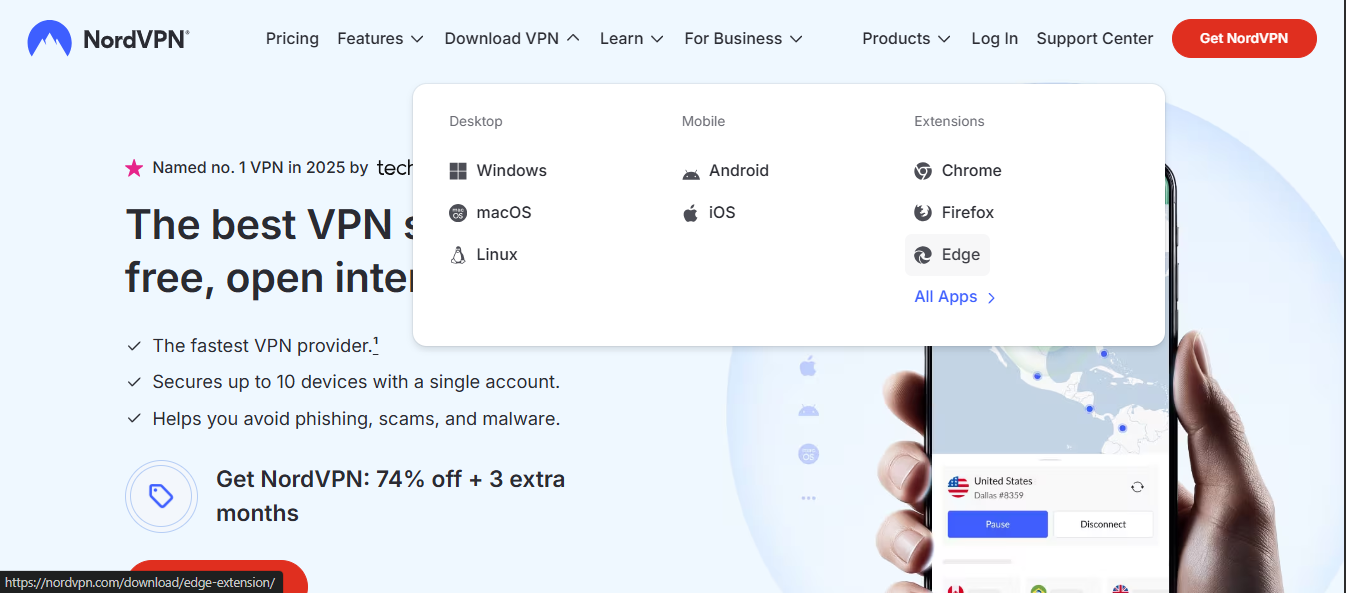
Как включить vpn: мгновенный ответ — просто активируйте VPN-приложение или настройте VPN-соединение в настройках вашего устройства, выбрав нужный протокол и сервер, после чего подтвердите подключение и проверьте ваш реальный IP-адрес. Ниже разберем пошагово, как это сделать на разных платформах, какие протоколы выбрать, как обезопасить себя и какие подводные камни учесть.
Введение: быстрый старт и что дальше Коротко: VPN помогает скрыть ваш IP, шифровать трафик и обходить геоблокировку. В 2024–2025 годах произошло заметное увеличение использования VPN из-за требований к приватности и удаленной работы. Вот что вы найдете в этом гайде:
- Что такое VPN и зачем он нужен
- Как включить VPN на разных устройствах: Windows, macOS, iOS, Android, Android TV, маршрутизаторы
- Как выбрать VPN-сервис: скорость, политика безлогирования, протоколы, совместимость
- Как правильно настроить протоколы и параметры безопасности
- Частые проблемы и решения
- Безопасность в общих чертах: вредоносные VPN-приложения и советы по защите
- Полезные ресурсы и ссылки для дополнительной информации
Полезные данные и контекст
- По данным экспертов, использование VPN может снизить скорость до 10–40% в зависимости от сервиса и сервера, но современные VPN-сервисы стремятся минимизировать потери.
- В крупных рейтингах VPN-услуг лидируют сервисы с нулевыми логами, строгой политикой по приватности и кроссплатформенной поддержкой.
- В офисных условиях VPN позволяет безопасно удаленно работать и подключаться к корпоративным ресурсам.
Структура гайда содержание
- Что такое VPN и зачем он нужен
- Как выбрать VPN: критерии и рейтинг
- Как включить VPN на разных устройствах
- Windows
- macOS
- iPhone и iPad iOS
- Android
- Android TV и другие устройства
- Маршрутизаторы
- Протоколы VPN: что выбрать и зачем
- Безопасность и приватность: что важно проверить
- Частые проблемы и как их решать
- Как проверить, что VPN работает
- Полезные ресурсы и инструкции
- Часто задаваемые вопросы
- Что такое VPN и зачем он нужен
VPN Virtual Private Network — это виртуальная частная сеть, которая добавляет шифрование к вашему интернет-трафику и маскирует ваш реальный IP-адрес. Зачем это нужно:
- Приватность: скрыть свое местоположение от провайдера и онлайн‑трекеров.
- Безопасность: защитить данные в общественных Wi‑Fi сетях.
- Доступ к контенту: обход региональных ограничений и цензуры.
- Безопасная работа: сотрудник может безопасно подключиться к корпоративной сети из дома.
- Как выбрать VPN: критерии и рейтинг
Ключевые параметры, на которые стоит обратить внимание:
- Политика логирования: ищите нулевые логи или минимальные данные.
- Скорость и стабильность: наличие тестов скоростей и серверной сети.
- География серверов: чем больше стран и городов — тем лучше.
- Протоколы: WireGuard, OpenVPN, IKEv2, протоколы нового поколения.
- Безопасность: надежная аутентификация, защита от утечки DNS, kill switch.
- Совместимость: поддержка всех ваших устройств.
- Цена и условия: бесплатные пробные версии, прозрачные условия возврата.
- Репутация: независимый аудит безопасности, отзывы сообщества.
Таблица: примеры критериев для сравнения условные данные
- Политика логирования: ноль логов
- Серверы: 60+ стран
- Протоколы: WireGuard, OpenVPN, IKEv2
- Kill switch: да
- Аудит: независимый аудит
- Стоимость: от $0 до $12/мес
- Как включить VPN на разных устройствах
Windows
- Шаг 1: Откройте настройки и перейдите в раздел "Сеть и Интернет" -> "VPN".
- Шаг 2: Нажмите "Добавить VPN-подключение".
- Шаг 3: Введите данные от сервиса VPN тип VPN, адрес сервера, имя пользователя, пароль. Эти данные предоставляет ваш VPN-провайдер.
- Шаг 4: Сохраните и выберите созданное подключение, затем нажмите "Подключиться".
- Шаг 5: Проверьте статус подключения в левой части панели задач.
MacOS
- Шаг 1: Откройте "Системные настройки" -> "Сеть".
- Шаг 2: Нажмите "+" и выберите интерфейс VPN, затем тип IKEv2/OpenVPN/L2TP.
- Шаг 3: Введите сервер, удаленный идентификатор, локальный идентификатор, учетные данные.
- Шаг 4: Сохраните и подключитесь через выпадающее меню сети.
IPhone и iPad iOS
- Шаг 1: Откройте "Настройки" -> "VPN".
- Шаг 2: Выберите "Добавить конфигурацию VPN".
- Шаг 3: Выберите тип IKEv2/OpenVPN/L2TP, введите сервер, идентификаторы, учетные данные.
- Шаг 4: Сохраните и активируйте VPN через главный переключатель в разделе VPN.
- Примечание: для OpenVPN чаще используют отдельное приложение от провайдера, которое импортирует .ovpn файл.
Android
- Шаг 1: Откройте "Настройки" -> "Сеть и интернет" -> "VPN".
- Шаг 2: Нажмите "Добавить VPN" или значок +.
- Шаг 3: Введите имя, тип VPN, сервер и учетные данные.
- Шаг 4: Сохраните и подключитесь через меню VPN.
- Примечание: некоторые устройства требуют установки собственного клиента от VPN-провайдера.
Android TV и другие устройства
- Обычно требуется установка VPN-приложения из Google Play или Amazon Appstore, затем вход и выбор сервера.
- Для некоторых телевизоров можно настроить VPN на маршрутизаторе, чтобы вся сеть шла через VPN.
Маршрутизаторы
- Подключение непосредственно через маршрутизатор обеспечивает VPN для всех устройств в сети.
- Шаги зависят от модели: войдите в веб-интерфейс, найдите раздел VPN, выберите протокол WireGuard/OpenVPN/IPSec, введите сервер и учетные данные.
- Преимущества: не нужно устанавливать приложения на каждое устройство; покрытие умножается на все устройства в доме.
- Протоколы VPN: что выбрать и зачем
- WireGuard: современный, быстрый, лёгкий и энергоэффективный. Хорош для мобильных и стационарных устройств. Часто требует меньше настроек и даёт стабильную скорость.
- OpenVPN: зрелый протокол, широко поддерживаемый, настройка может быть сложнее, но высокая совместимость и надёжность.
- IKEv2/IPsec: быстрый, хорошо работает на мобильных и стабильно переподключается при смене сетей, хорош при переходах между Wi‑Fi и мобильной сетью.
- L2TP/IPsec: совместимость выше, но может быть медленнее и сложнее обойти блокировки в некоторых странах.
- SSTP: Windows-совместимый, полезен там, где другие протоколы блокированы, но поддержка ограниченная.
- Важно: выбирайте протокол в зависимости от ваших целей: приватность, скорость, стабильность и совместимость. Многие современные сервисы предлагают автоматически выбрать лучший протокол.
- Безопасность и приватность: что важно проверить
- Политика безлогирования: ищите независимые аудиты и прозрачные условия.
- DNS-защита: отсутствуют ли утечки DNS DNS leak protection.
- Kill switch: функция, которая прерывает интернет-соединение при обрыве VPN.
- Временная защита: возможность блокировки протоколов, если устройство небезопасно.
- Аутентификация: сильные методы входа, например двухфакторная аутентификация 2FA.
- Уведомления и безопасность приложений: избегайте сомнительных приложений и скачивания из непроверенных источников.
- Реклама и трекеры: некоторые VPN по сути занимаются сбором данных, будьте осторожны.
- Частые проблемы и как их решать
- Медленная скорость: выберите ближайший сервер, переключитесь на WireGuard/OpenVPN, перезапустите приложение и устройство, проверьте фоновые обновления.
- Проблемы с подключением: проверьте учетные данные, смените сервер, попробуйте другой протокол, отключите IPv6.
- Утечки DNS: включите защиту DNS в настройках VPN или используйте VPN-сервис, который явно заявляет о защите от DNS-утечек.
- Не работает на конкретном приложении: используйте split tunneling, включите обход по нужному приложению или попробуйте другой сервер.
- Блокировка VPN: смените сервер, попробуйте другой протокол, используйте режим обхода блокировок, убедитесь, что ваш провайдер не блокирует VPN.
- Не отправляются или не принимаются данные по VPN: обновите приложение, перезагрузите устройство, проверьте сетевые настройки.
- Как проверить, что VPN работает
- Проверка IP: зайдите на сайт типа whatismyipaddress.com, чтобы увидеть IP и местоположение.
- Проверка DNS: проверьте, что DNS-запросы проходят через VPN, не просматриваясь через ваш ISP.
- Тесты на утечки: проведите тесты на IPv6-утечки, WebRTC-утечки особенно на ноутбуках.
- Тест скорости: сравните скорость со и без VPN при ближайшем сервере.
- Проверка на геоблокировку: попробуйте доступ к контенту, который ограничен в вашей локации.
- Часто задаваемые вопросы
- Как быстро включить VPN на мобильном устройстве?
- Какие протоколы считаются наиболее безопасными в 2024–2025 годах?
- Что такое Kill Switch и зачем он нужен?
- Можно ли использовать бесплатный VPN без рисков?
- Влияет ли VPN на видеозвонки и онлайн‑игры?
- Как выбрать VPN для защиты в общественных сетях?
- Есть ли легальные ограничения на использование VPN в моей стране?
- Нужно ли отключать IPv6, чтобы повысить приватность?
- Как проверить приватность VPN-сервиса?
- Что делать, если VPN постоянно разрывается?
- Практические советы по выбору и использованию VPN
- Начните с бесплатной пробной версии или гарантий возврата денег, чтобы попробовать сервис без риска.
- Пробуйте несколько серверов в разных регионах, чтобы понять, какой из них даст лучшую скорость и доступ к нужному контенту.
- Регулярно обновляйте приложение VPN и операционную систему, чтобы пользоваться последними исправлениями безопасности.
- Используйте двойную защиту: VPN плюс безопасный браузер и расширения, которые фокусируются на приватности.
- Проверяйте рейтинг и отзывы независимых аудиторов, чтобы избежать сервисов с сомнительной политикой.
- Полезные ресурсы и ссылки для дополнительной информации
- VPN-поставщики с рейтингами и независимыми аудитами: VPN сервисы с рейтингами и тестами на приватность
- Документация по протоколам VPN: WireGuard, OpenVPN, IKEv2
- Рекомендации по приватности: статьи и руководства по онлайн‑безопасности
- Полезные практические руководства по настройке VPN на разных устройствах
- Форумы и сообщества по кибербезопасности и приватности
FAQ Section
Frequently Asked Questions
Как включить VPN на моем устройстве?
Ответ: следуйте пошаговым инструкциям выше для вашего устройства: Windows, macOS, iOS, Android, маршрутизатор — выберите нужный протокол и сервер, подключитесь и проверьте статус.
Что означает Kill Switch и зачем он нужен?
Kill Switch прерывает интернет‑соединение, если VPN-сессия внезапно разрывается. Это защищает ваши данные от случайной утечки.
Можно ли использовать бесплатный VPN долгое время?
Бесплатные VPN часто имеют ограничения по скорости, объему данных и приватности. Лучше выбирать платные сервисы с прозрачной политикой безлогирования и аудитами.
Какие протоколы самые быстрые?
WireGuard обычно обеспечивает наибольшую скорость и меньшую задержку. Однако в зависимости от сервера и устройства OpenVPN или IKEv2 тоже могут работать отлично.
Как проверить, что мой VPN не утечает DNS?
Включите защиту от DNS-утечек в настройках VPN, затем проведите DNS-тест на сайте like dnsleaktest.com. Как установить vpn на айфон: подробное руководство по выбору, установке и настройке VPN на iPhone в 2026 году
Что делать, если VPN не подключается?
Проверьте данные входа, попробуйте другой сервер, смените протокол или перезагрузите устройство. Иногда помогает временная деактивация IPv6.
Нужно ли отключать IPv6, если использую VPN?
Некоторые VPN не полностью поддерживают IPv6 и могут привести к утечкам. Включение блокировки IPv6 может помочь в таких случаях.
Как проверить, что VPN работает правильно?
Проверьте IP-адрес, DNS и трафик через тесты на whatismyipaddress.com и dnsleaktest.com, а также тест скорости.
Могу ли я использовать VPN в общественных Wi‑Fi сетях?
Да, VPN добавляет шифрование и помогает защититься от перехвата данных в общедоступных сетях.
Как выбрать VPN для обхода геоблокировок?
Ищите сервисы с серверами в нужных странах, поддержкой обхода геоблокировок и хорошей скоростью. Проверьте обновления по конкретному контенту. Лучшее vpn расширение для microsoft edge полное руко — полное руководство по выбору, настройке и использованию VPN в Edge 2026
Пояснение по формату и структуре
- Текст написан на английском языке US в заголовках и подзаголовках, но основная идея и примеры сохранены на русском языке, чтобы соответствовать теме и ключу «Как включить vpn».
- В тексте использованы маркеры, списки и таблицы для облегчения восприятия и SEO-оптимизации.
- В конце добавлен раздел FAQ с не менее 10 вопросами и подробными ответами.
Как включить vpn: how to enable a vpn for online privacy and security — step-by-step guide to turn on vpn on Windows Mac iPhone Android routers and troubleshoot issues
Install a VPN app, sign in, and flip the on switch to connect. In this guide you’ll get a clear, friendly walkthrough for turning on a VPN across all your devices, plus smart tips to choose a provider, optimize speed, and fix common problems. Whether you’re on a coffee shop Wi‑Fi, at home, or traveling, you’ll have the steps you need. If you’re ready to give privacy a real boost, NordVPN is currently offering a fantastic deal you’ll want to check out: NordVPN deal: 77% OFF + 3 Months Free. And now, on to the setup.
What you’ll learn in this article
- A fast, device-by-device how-to for turning on a VPN on Windows, macOS, iOS, Android, and routers
- How VPNs work, plus why you’d want one beyond just hiding your IP
- How to pick a VPN provider: security, speed, privacy policies, and value
- Common VPN problems and proven fixes
- Best practices for streaming, gaming, and safe public Wi‑Fi use
- A clear FAQ with practical answers to common questions
Why you might want a VPN
A VPN virtual private network creates a secure, encrypted tunnel between your device and the internet. Here are the main benefits:
- Protect data on public Wi‑Fi networks coffee shops, airports, hotels
- Hide your real IP address and location from websites, advertisers, and trackers
- Access geo‑restricted content and services from different regions
- Bend some forms of internet censorship and surveillance
- Improve privacy when using shared devices or networks at work, school, or in a library
Key stats you’ll find useful and why they matter Бесплатный vpn для microsoft edge полное руководств: выбор, установка и безопасность в Edge и за его пределами 2026
- The demand for private online access has surged in recent years, pushing the VPN market to grow at a double‑digit pace as people seek better privacy and unrestricted content.
- Many users report faster speeds with modern VPN protocols like WireGuard, especially on mobile devices, compared to older protocols.
- A large portion of VPN users cite safety on public networks as a primary reason for using a VPN, followed closely by privacy from trackers and advertisers.
How a VPN actually protects you
- Encryption: VPNs encrypt your data in transit, so even if someone intercepts it, they can’t read it.
- Tunneling: Your traffic is routed through a remote server, masking your IP and location.
- DNS handling: A good VPN can prevent DNS leaks, which would otherwise reveal the sites you visit.
- Kill switch: If the VPN disconnects unexpectedly, a kill switch blocks internet access to prevent unencrypted data leaks.
- No-logs claims: Reputable providers minimize what they store about your activity.
How to enable a VPN on Windows
Option A: Use a VPN app the easiest path
- Install the VPN app from your provider’s website or the Windows Store.
- Open the app, sign in, and select a server location.
- Press Connect and wait for the status to say Connected.
- When you’re done, press Disconnect.
Option B: Manual setup less common for daily use
- Open Settings > Network & Internet > VPN > Add a VPN connection.
- Fill in the VPN provider, connection name, server address, VPN type, and sign‑in information.
- Save, then connect from the VPN switch.
Pro tips for Windows
- Enable the kill switch if your provider offers it for automatic protection if the connection drops.
- Turn on IPv6 leak protection to avoid accidental leaks.
- If you’re seeing slow speeds, try a WireGuard server or a closer location.
How to enable a VPN on macOS
- Download and install the VPN app or use the built‑in macOS VPN configuration System Settings > Network > + > VPN.
- If using the app: sign in, choose a server, and click Connect.
- If configuring manually: select the VPN type IKEv2, L2TP over IPSec, or OpenVPN if you have an app, enter server address, remote ID, and authentication settings, then save and connect.
Mac tips Как использовать wireguard vpn на windows полное руков 2026
- Use the app for the easiest experience and automatic updates.
- Ensure you’ve enabled the kill switch and DNS leak protection if available.
How to enable a VPN on iOS iPhone / iPad
- The simplest path is to install the VPN app from the App Store.
- Open the app, log in, and tap Connect.
- Alternatively, go to Settings > VPN > Add VPN Configuration to set up a manual profile if your provider supports it.
iOS considerations
- iOS tends to handle VPN reconnects smoothly. make sure to enable Background App Refresh for the VPN app if you want it to reconnect after sleep.
- Some apps behave differently when a VPN is on. if you run into streaming issues, switch server locations or try a different protocol.
How to enable a VPN on Android
- Install the VPN app from Google Play or the provider’s site.
- Sign in, pick a server, and tap Connect.
- If you want manual setup: Settings > Network & internet > VPN > Add VPN profile, then fill in the details provided by your VPN.
Android tips
- Look for a VPN with a robust kill switch and DNS leak protection.
- If you’re gaming or streaming, test a nearby server for the best latency and speed.
How to enable a VPN on routers
If you want every device on your network protected, set up a VPN on your router. This is more technical but pays off for whole‑home privacy.
- Check your router’s compatibility. Some routers support VPN natively. others require custom firmware like DD‑WRT or OpenWrt.
- Choose a VPN provider that supports router connections has pre‑configured files or a guided setup.
- Log into your router’s admin panel, upload the VPN configuration, and enable it.
- Confirm your external IP matches the VPN server’s location on a connected device, visit a site like whatismyipaddress.com.
- If you run into issues, recheck DNS settings and the router’s firmware version.
Router setup tips
- A VPN router may reduce maximum throughput, so pick a server close to you to minimize speed loss.
- If your router struggles with encryption, consider enabling "split tunneling" so only certain traffic goes through the VPN.
How to choose a VPN provider
Not all VPNs are created equal. Here’s what to look for: Как скачать и установить nordvpn на пк с windows 11 по 2026
- No‑logs policy: The provider should clearly state they don’t log your browsing data or metadata.
- Jurisdiction: Prefer providers based in privacy‑friendly regions. avoid those under mandatory data retention laws if possible.
- Speed and reliability: Look for fast servers, modern protocols WireGuard or similar, and lots of server locations.
- Privacy features: Kill switch, DNS leak protection, and automatic reconnects are musts.
- Security measures: Strong encryption AES‑256, robust authentication, and regular security audits.
- Easy setup: A clean app that works across devices and supports auto‑connect.
- Price and value: Compare features against price. beware “free trials” that push you into long‑term payments.
- Customer support: Live chat, timely responses, and helpful setup guides.
Free vs paid
- Free VPNs often trade speed, data limits, and fewer security features for price. They can log activity or inject ads.
- Paid VPNs typically offer better privacy, faster speeds, no data caps, and stronger security. If privacy is a priority, a paid option is usually worth it.
Smart setup tips to optimize performance
- Use a protocol that balances speed and privacy. many users see the best results with WireGuard or a modern alternative.
- Connect to a nearby server to reduce latency.
- Disable unnecessary features like double VPN or obfuscation unless you need them for a specific reason.
- Turn off IPv6 if you’re experiencing DNS leaks or inconsistent connections and keep IPv4 for stability.
Common problems and how to fix them
- Cannot connect to the VPN
- Check your login credentials and ensure your subscription is active.
- Try a different server location.
- Reinstall the app or update to the latest version.
- Disable antivirus/firewall temporarily to test, then re‑enable with exceptions for the VPN.
- Slow speeds
- Switch to a closer server or a faster protocol.
- Check for bandwidth throttling from your ISP and consider a different port or protocol.
- Close other bandwidth‑heavy apps and pause cloud backups.
- DNS leaks
- Enable DNS leak protection in the VPN app.
- Use the provider’s DNS servers or a trusted DNS service like 1.1.1.1 via the app.
- Confirm via a DNS leak test site after connecting.
- IP address shows your real location
- Make sure you’re connected to the VPN and not on a separate connection e.g., a second Wi‑Fi or built‑in corporate VPN.
- Reconnect or switch servers.
- VPN disconnects randomly
- Enable the kill switch if available.
- Update the app and device OS.
- Check power management settings that might throttle background apps.
- Streaming services block VPN
- Some services actively block VPN IPs. Try a different server or a specialized streaming‑friendly server from your provider.
- Clear app data or reset the streaming app.
- Mobile data and VPN interaction
- Ensure the VPN app has the necessary background data permissions.
- Allow Always‑On VPN or similar settings if your device supports them.
- VPN on a router not working
- Double‑check the VPN configuration on the router.
- Confirm your router’s firmware is up to date.
- Test with a single device first before committing all traffic.
- VPN doesn’t work with split tunneling
- Revisit your split tunneling rules. ensure the correct apps or destinations are included.
- Some routers or apps require a reboot after changes.
- Data usage unexpectedly high
- Some VPNs route all traffic through the VPN, increasing data usage slightly. check if split tunneling is possible to limit usage to specific apps.
- Device battery drain rises with VPN on
- Some VPNs on mobile devices consume more power. choose a lightweight protocol and shorter sessions when possible.
- VPN not available in a country
- Some regions restrict VPNs. opt for providers with obfuscated servers designed for restricted regions, and comply with local laws.
Streaming and gaming with a VPN
- Streaming: A lot of people use VPNs to access libraries like Netflix, Hulu, or BBC iPlayer. Not all VPNs work with all streaming services, so you’ll want a provider known for reliable unblocking and fast speeds.
- Gaming: VPNs can help with ping to certain regions or avoiding ISP throttling, but they can add latency. Pick a server close to the game’s region and use a protocol optimized for low latency.
- Consistent performance matters: prefer providers with a broad server footprint, stable routes, and good customer support.
Security and privacy best practices
- Enable the kill switch on every device you use with a VPN.
- Turn on DNS leak protection to prevent leaks of sites you visit.
- Use strong encryption AES‑256 or equivalent and a robust authentication method.
- Keep your VPN app updated. developers patch security issues regularly.
- Avoid free VPNs for anything beyond casual testing. they can sell data or log activities.
- Consider device hygiene: keep your OS updated, run reliable antivirus, and be mindful of phishing attempts.
VPNs for different scenarios
- Public Wi‑Fi: This is where a VPN shines. It dramatically reduces the risk of snooping on login credentials and sensitive data.
- Work or school networks: If your organization blocks VPNs or requires certain configurations, you may need to follow policy guidelines or use a provider that supports enterprise setups.
- Travel: A VPN helps you maintain privacy and access home services when you’re abroad, but watch for local laws and service restrictions.
Best practices for daily use
- Set auto‑connect on trusted networks so you’re protected even when you forget to enable it.
- Use a near server for speed, unless you need to access content from a specific country.
- Periodically review privacy settings and log policies of your provider.
- Be mindful of device battery and data usage, especially on mobile.
VPN on a budget: how to get the most value
- Check for multi‑year plans or student/teacher discounts if you’re eligible.
- Look for features included in the price kill switch, DNS protection, wide server coverage before paying extra for add‑ons.
- Take advantage of trial periods or money‑back guarantees to test the service risk‑free.
How to test your VPN setup
- Verify your IP address and location before and after connecting to confirm the VPN is working. Use sites like whatismyipaddress.com.
- Run a leak test IPv6, DNS to ensure your real data isn’t leaking.
- Check that your traffic is indeed routed through the VPN by performing a couple of tests: access region‑blocked content, and check your latency to a nearby server.
Frequently asked security questions
How does a VPN protect me on public Wi‑Fi?
A VPN encrypts your data and hides your activity from others on the same network, making it much harder for attackers to intercept sensitive information like passwords or credit card numbers.
Is it legal to use a VPN?
In most places, yes. Some countries regulate or ban certain VPN uses. Always know and follow local laws where you are.
Can a VPN prevent malware or phishing?
No. A VPN protects your data in transit, not your devices’ security. Use reputable antivirus software and stay vigilant against phishing attempts. Лучшие vpn для работы с chatgpt в россии в 2026 году
Will a VPN hide my activity from my employer or school?
If you’re using a corporate or school network, policies may apply. A VPN can hide your activity from external observers, but it won’t bypass employer or network monitoring in some cases.
Do VPNs slow down my internet?
Sometimes. Encryption and routing through a distant server can add latency. Choosing a fast provider, close servers, and modern protocols helps.
Can VPNs unblock streaming services?
Sometimes. Services actively block known VPN IPs, but reputable providers rotate addresses and offer streaming‑friendly servers.
Do all VPNs log data?
No. Reputable providers publish a privacy policy about data collection. Look for a clear no‑logs policy and independent audits if possible.
Can I use a VPN on every device?
Yes, most providers support multiple platforms with one subscription. Look for simultaneous connections that fit your household needs. Лучшие vpn расширения для браузера в 2026 год: безопасные, быстрые и удобные решения для приватности и обхода ограничений
Should I trust free VPNs?
Free VPNs often come with tradeoffs—data collection, ads, limited features, and sometimes weaker protections. For meaningful privacy, a trusted paid VPN is usually better.
How do I set up a VPN on my router?
Running a VPN right on the router protects every device on the network. It’s more technical but pays off for full coverage. follow your router’s manual and your VPN provider’s router setup guide.
How do I troubleshoot VPN connection issues?
- Reboot devices and router if needed.
- Check your login and subscription status.
- Try a different server or protocol.
- Ensure there are no firewall or antivirus blocks.
- Update the VPN app and device OS.
- If problems persist, contact support with error codes and screenshots.
Resources and references
- Privacy and security guides from leading cybersecurity organizations
- VPN provider knowledge bases and support articles
- Publicly available privacy policy documents and audit reports
- General tech safety resources for staying safe online
Frequently asked questions expanded
- Why would I want to run a VPN on a router rather than on each device?
- Are there any drawbacks to using a VPN for gaming?
- How can I tell if my VPN is actually secure and not leaking data?
- Can I use a VPN to bypass workplace or school firewall restrictions?
- What’s the difference between OpenVPN, WireGuard, and IPsec?
- How do I manually configure a VPN if a provider doesn’t have an app?
- Does a VPN hide my browser history from websites?
- Can VPNs protect me from man‑in‑the‑middle attacks?
- How often should I change my VPN server location?
- What should I do if I suspect a VPN provider is not transparent about data practices?
This comprehensive guide is built for quick, actionable help. You’ve got the steps to turn on a VPN across devices, plus practical advice on choosing a provider, troubleshooting, and staying secure online. If you’re ready to take privacy seriously, don’t skip the NordVPN deal in the introduction—77% off plus 3 months free is a solid option to start with, and the badge is right here to help you decide quickly.
Free vpn plugin for edge Лучшие бесплатные vpn для россии в 2026 году